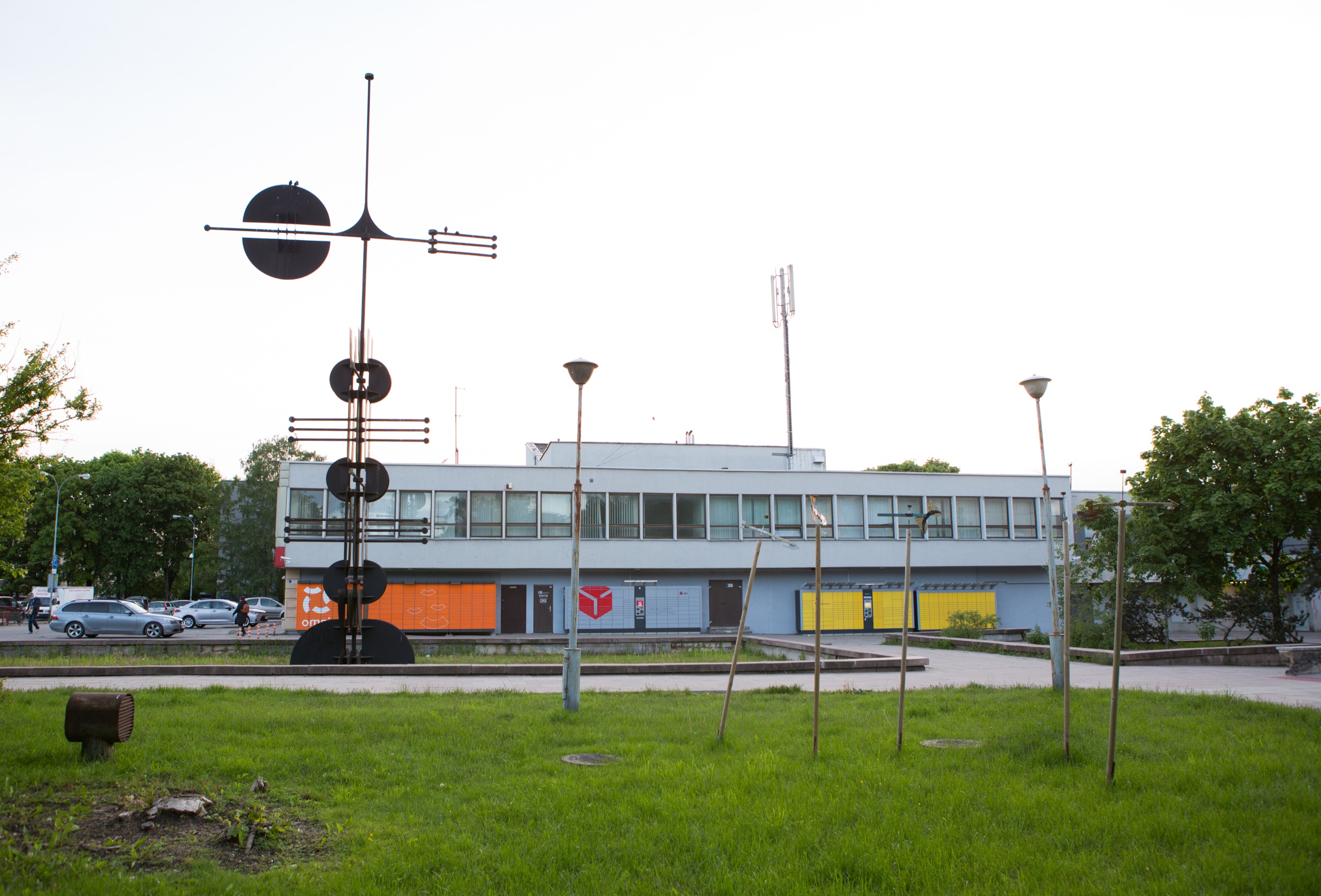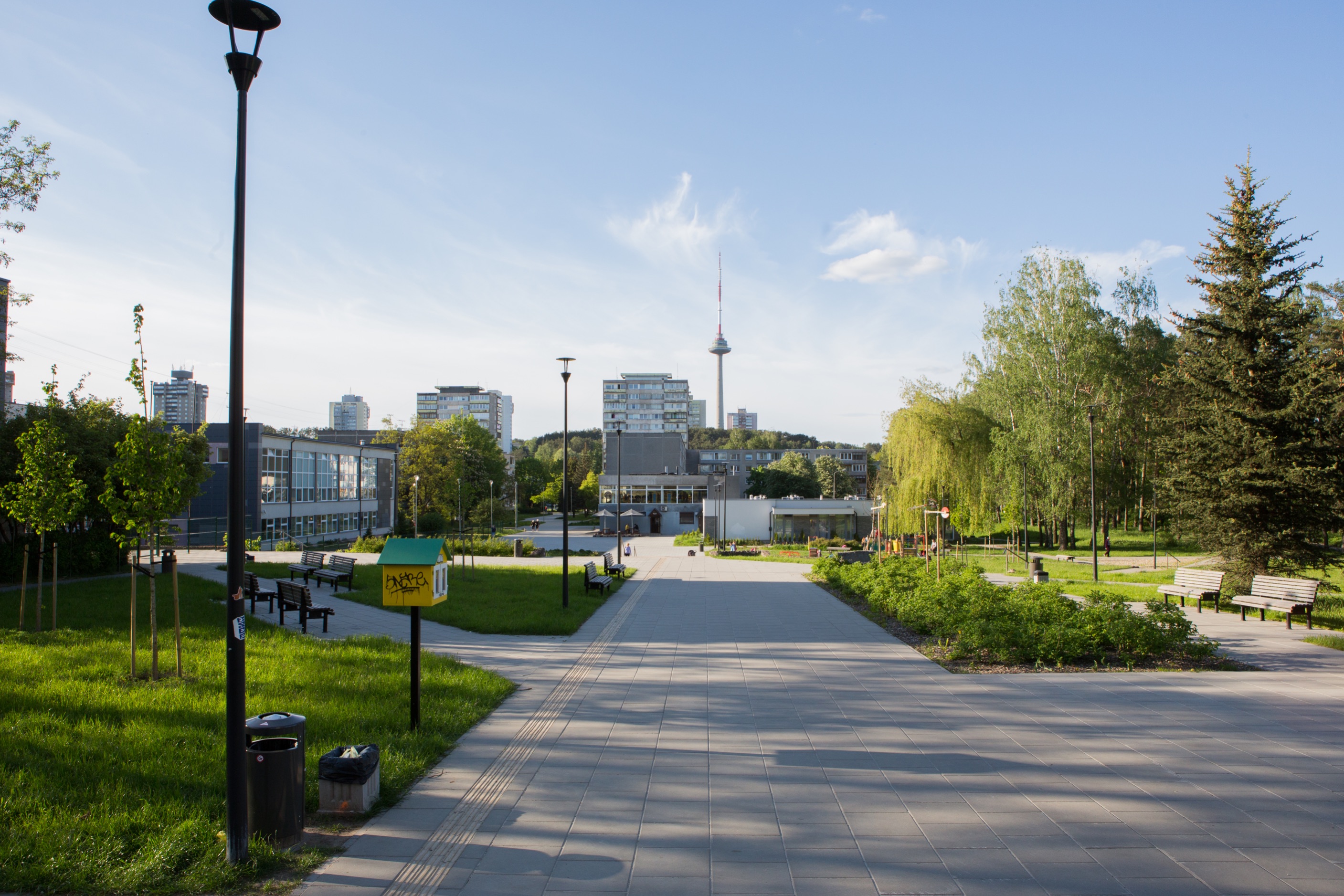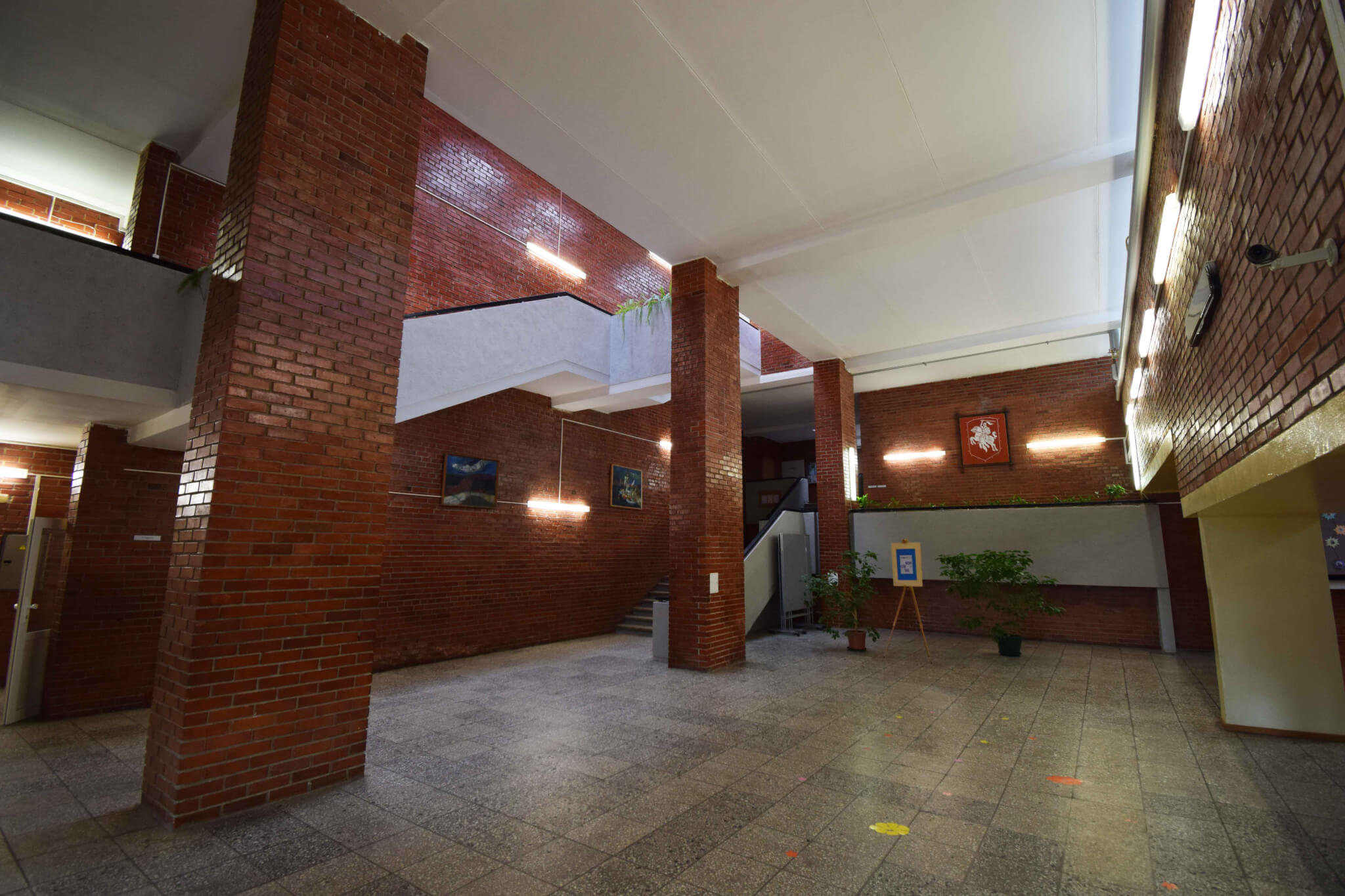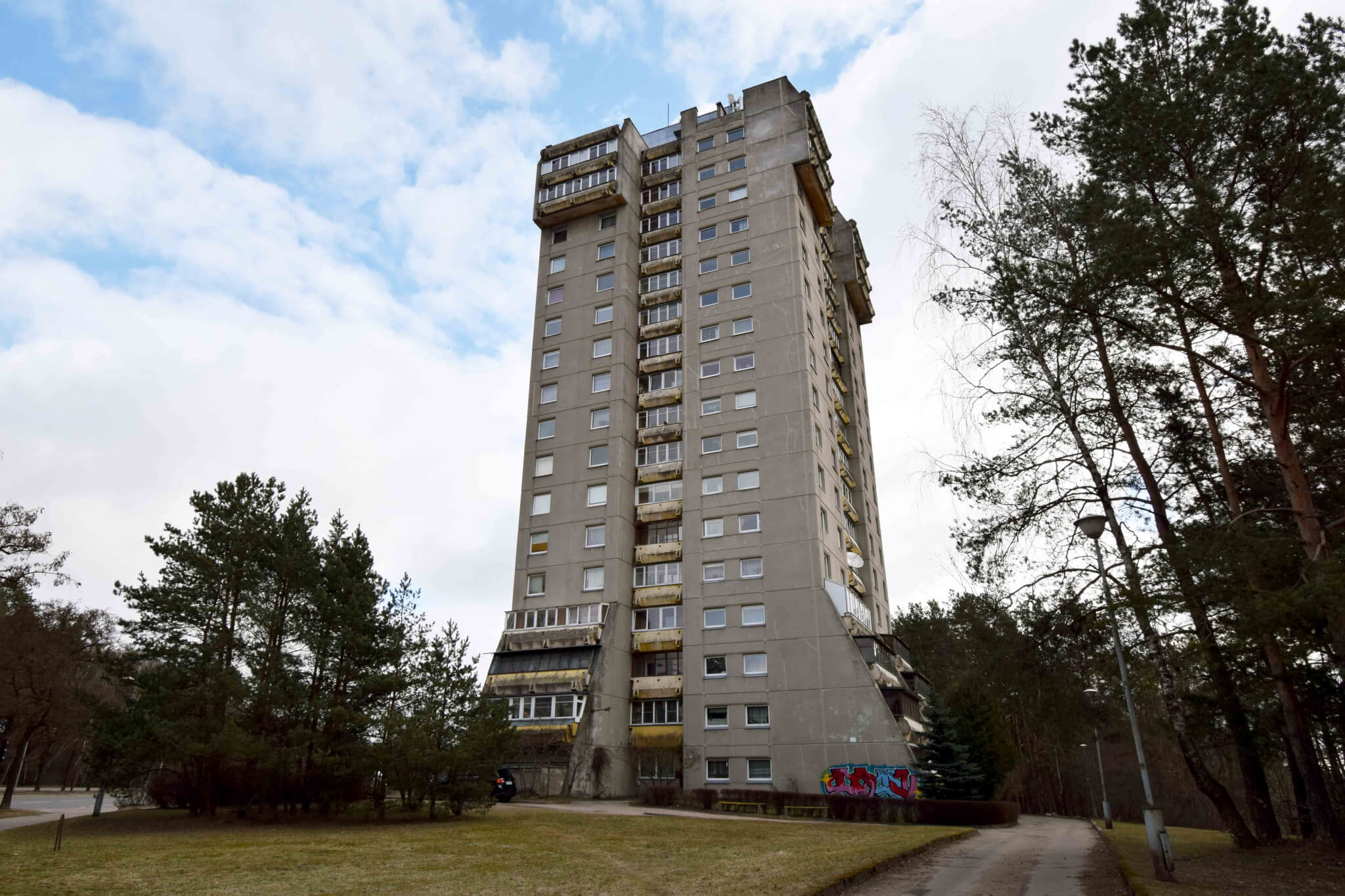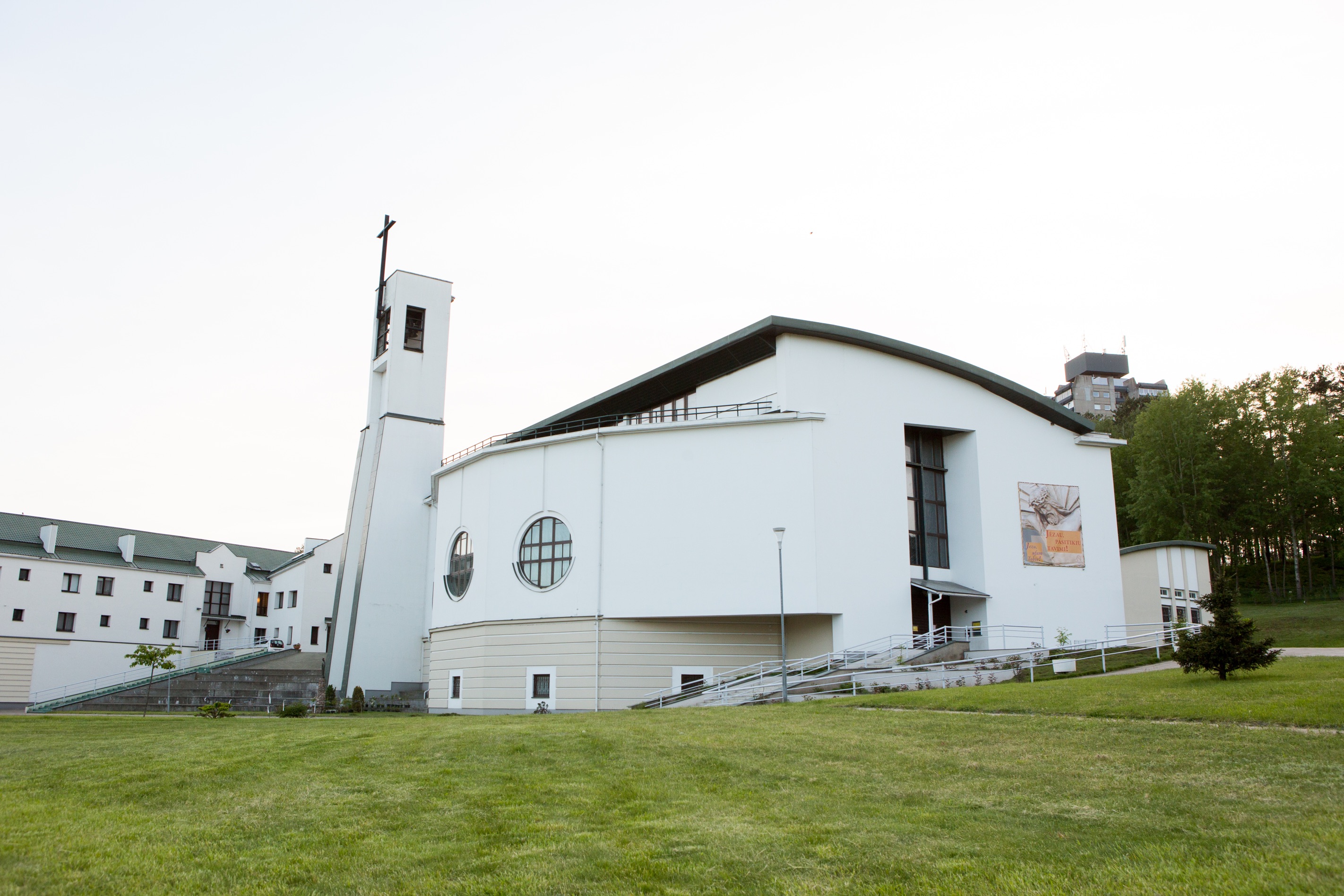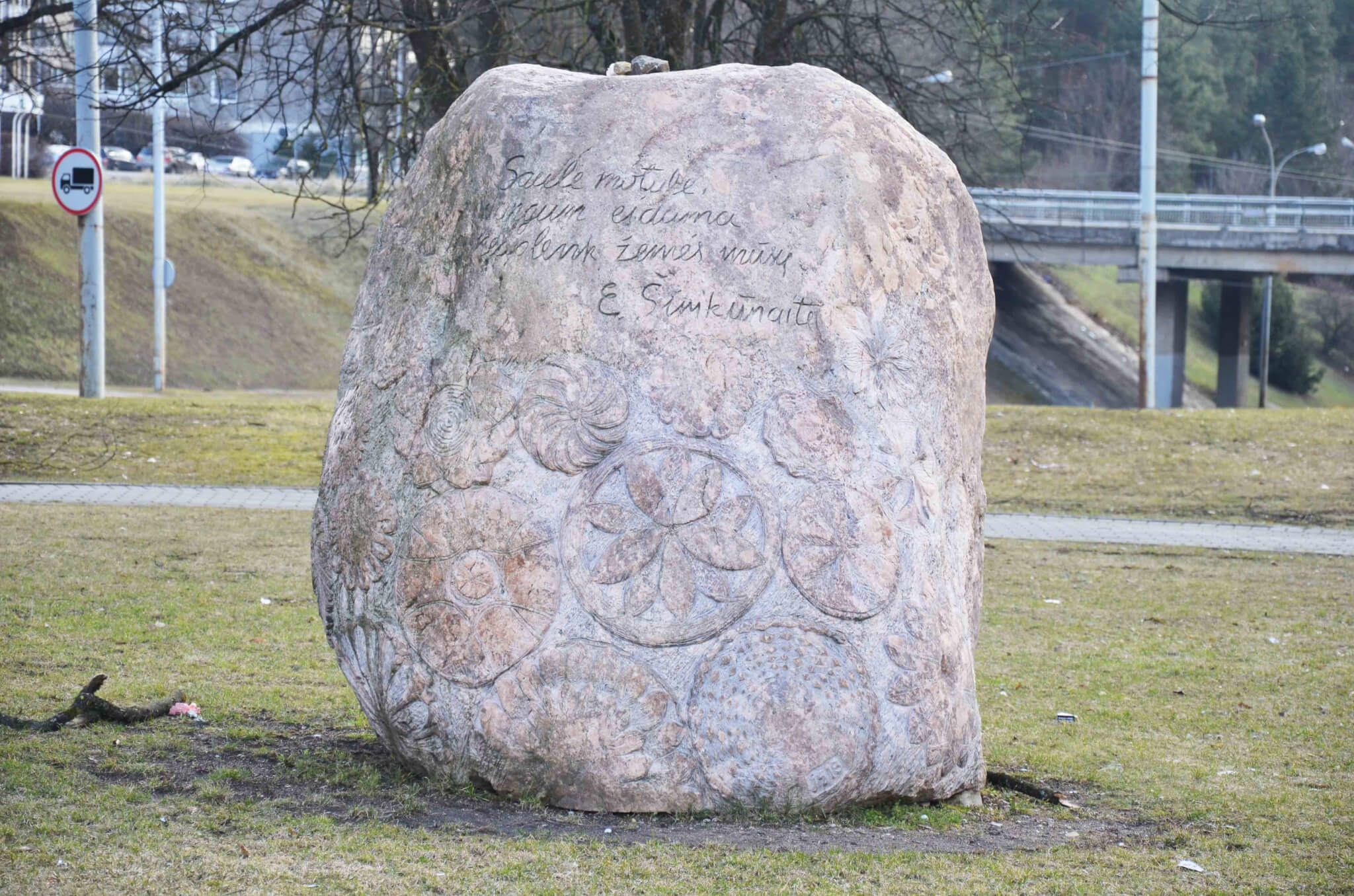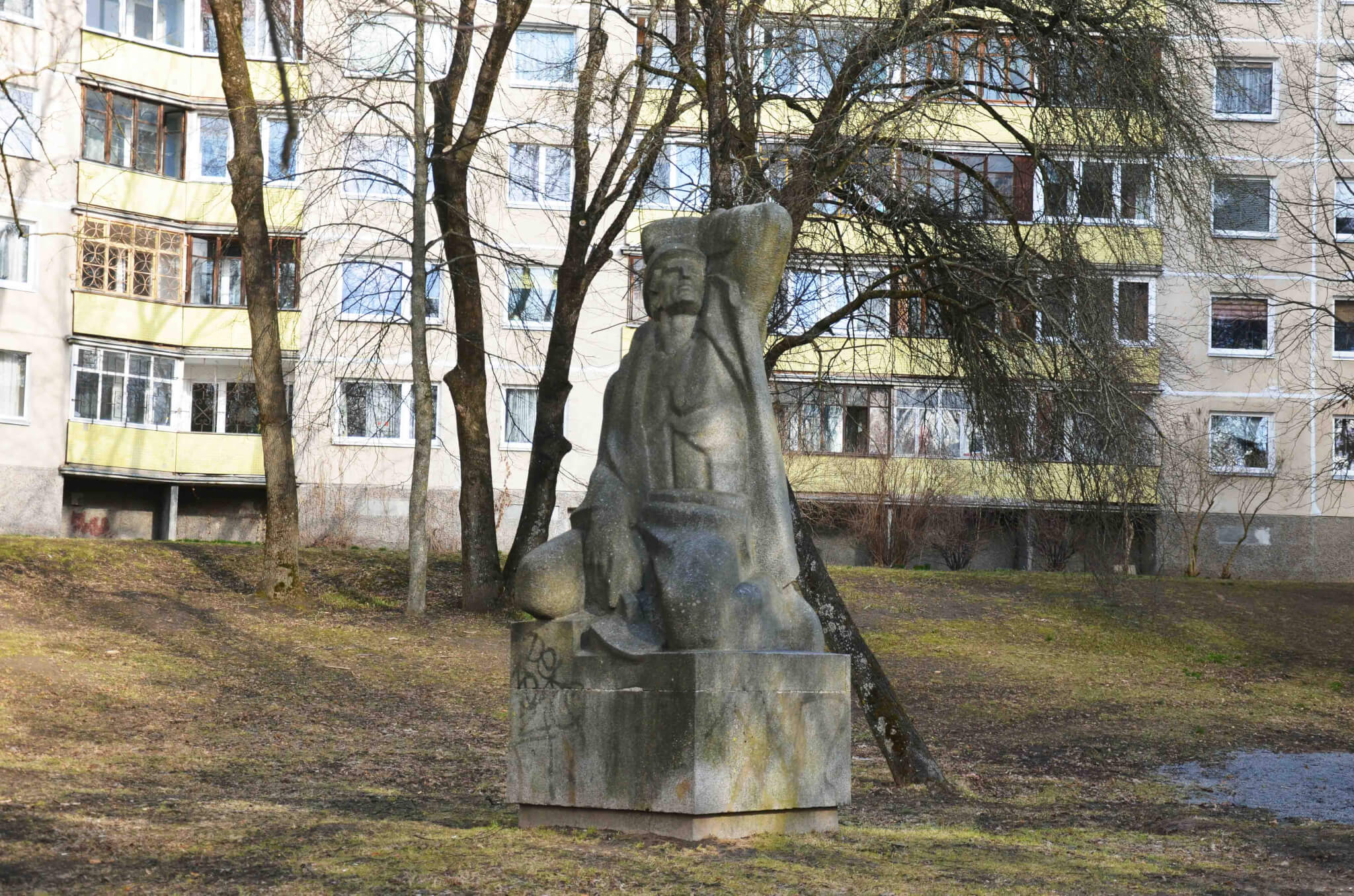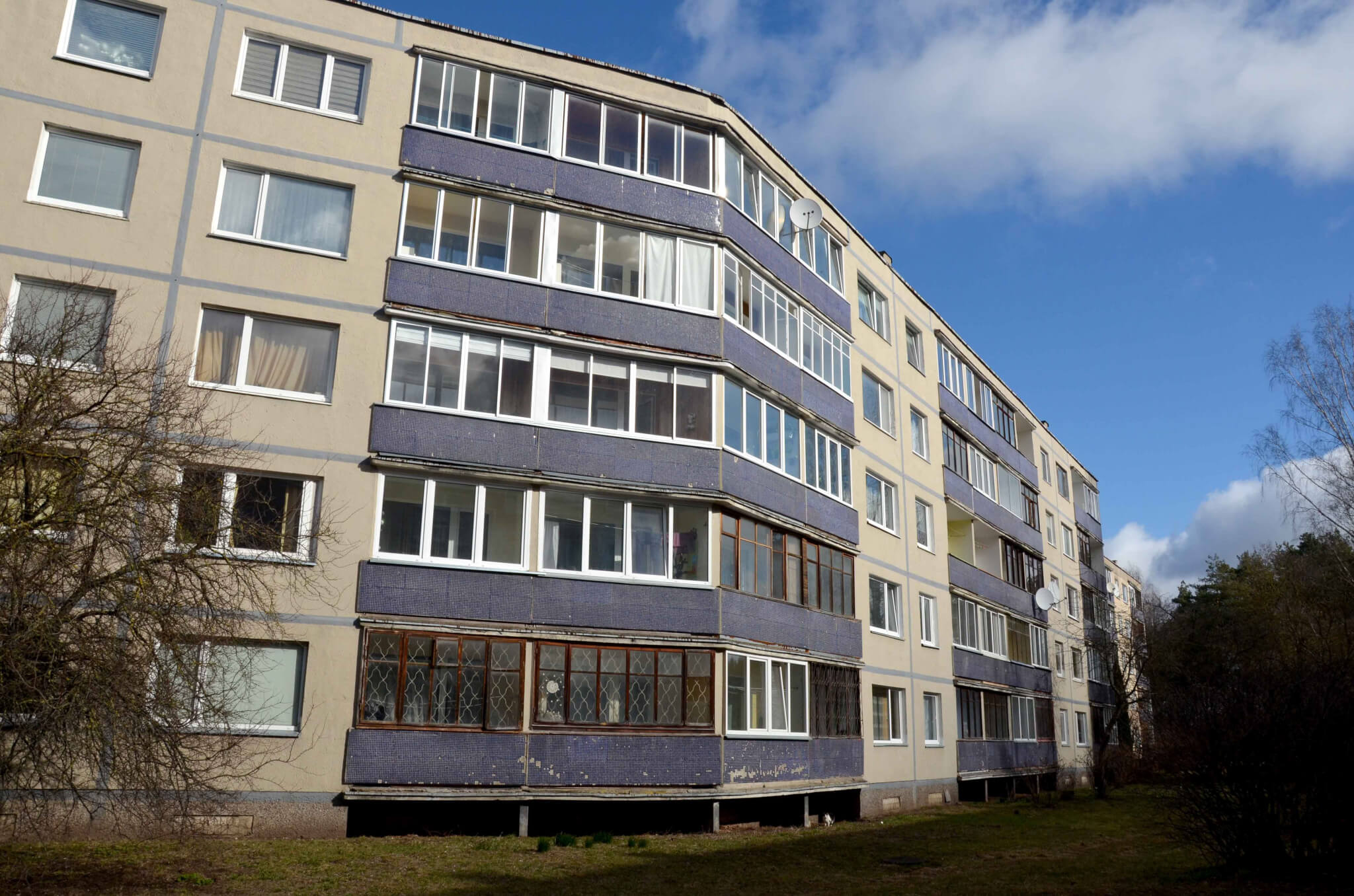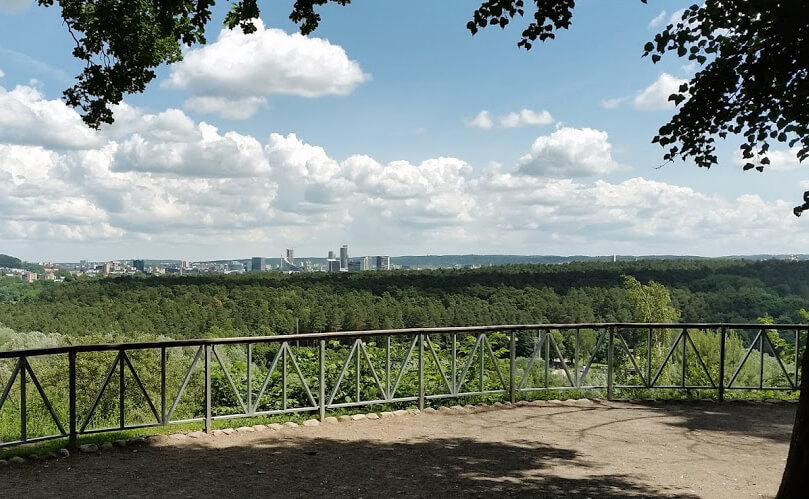

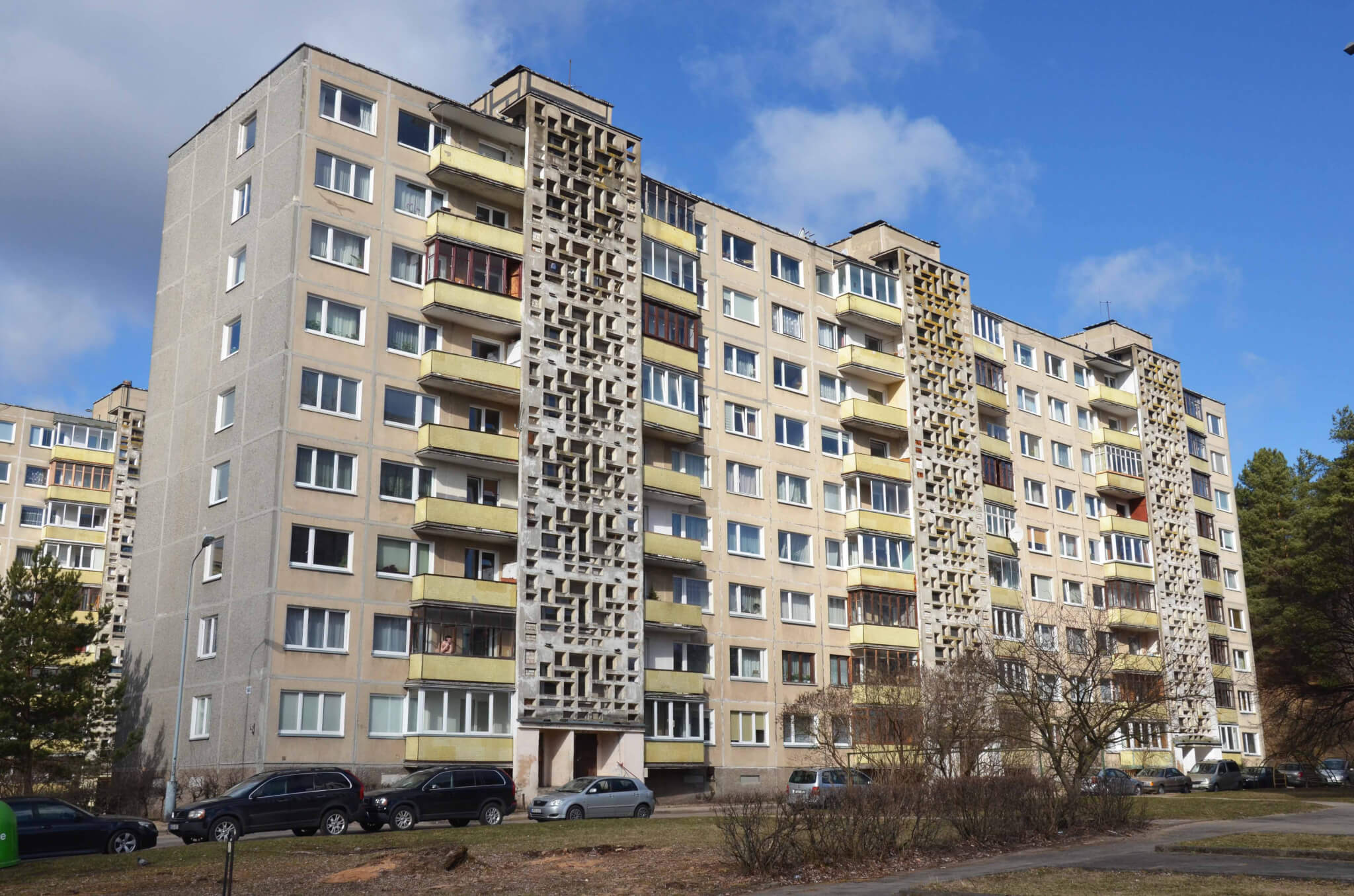
Lazdynai is a residential area that marks a turning point. The capital city, which until then had grown only close to the old urban core, began to move with Lazdynai to the much more distant upper terrace of the Neris.
New residential blocks began to rise one after the other along Laisvės (then Kosmonautų) Avenue. Over time, they were built more and more similar to each other, but Lazdynai remained a kind of benchmark, where the most beautiful visions of the time were realised. There were many firsts: the first time that a large residential area was built so far from the city centre, the first time that completely new block-house configurations were tried out, and the first time that the neighbourhoods were connected by a common ring street. Architects Vytautas Edmundas Čekanauskas and Vytautas Brėdikis and their team started designing the district in the early 1960s. Following the example of some western cities, a system of four micro-districts (I, II, III and IV) with a 3.5 km long Architectų g. (similar in shape and length to the defensive wall of the old Vilnius) was designed. It was a completely different project from Žirmūnai, which had been constructed slightly earlier. The location for Lazdynai was chosen so that residents could first of all have easy access to the expanding industrial zone of Žemieji Paneriai, where many jobs were concentrated. In 1968, crane booms began to rumble on the site of the former village of Leszczyniaki (Polish for hazelnut trees), and by 1969 the first three blocks of flats were occupied. In 1974, the team of developers of Lazdynai was awarded the prestigious Lenin Prize for their innovative solutions. The district immediately became famous throughout the USSR, the Eastern European socialist bloc and even attracted tourists from the West. Today, Lazdynai is largely forgotten and no longer considered prestigious, but many of its old inhabitants would never move to any other part of Vilnius. And it’s not just personal sentiment. The district was and still is highly regarded by professionals and protected as an urban monument.
What you will learn/see on the route:
● What is the link between Lazdynai and the defensive wall of Vilnius Old Town?
● Which features distinguish Lazdynai from other residential areas?
● Where was one of the most famous Vilnius nightclubs of its time?