Neakivaizdinis Vilnius Neakivaizdinis Vilnius
Vilnius Districts studies

Pilaitė

The old part with a castle and mills, and the new district with arches and fortress-like courtyards

After a few kilometres along Pilaitė Avenue, we enter the district, which at the end of the Soviet era was predicted to be a large suburb of 70,000 inhabitants connected to the centre by a ‘high-speed tram’.

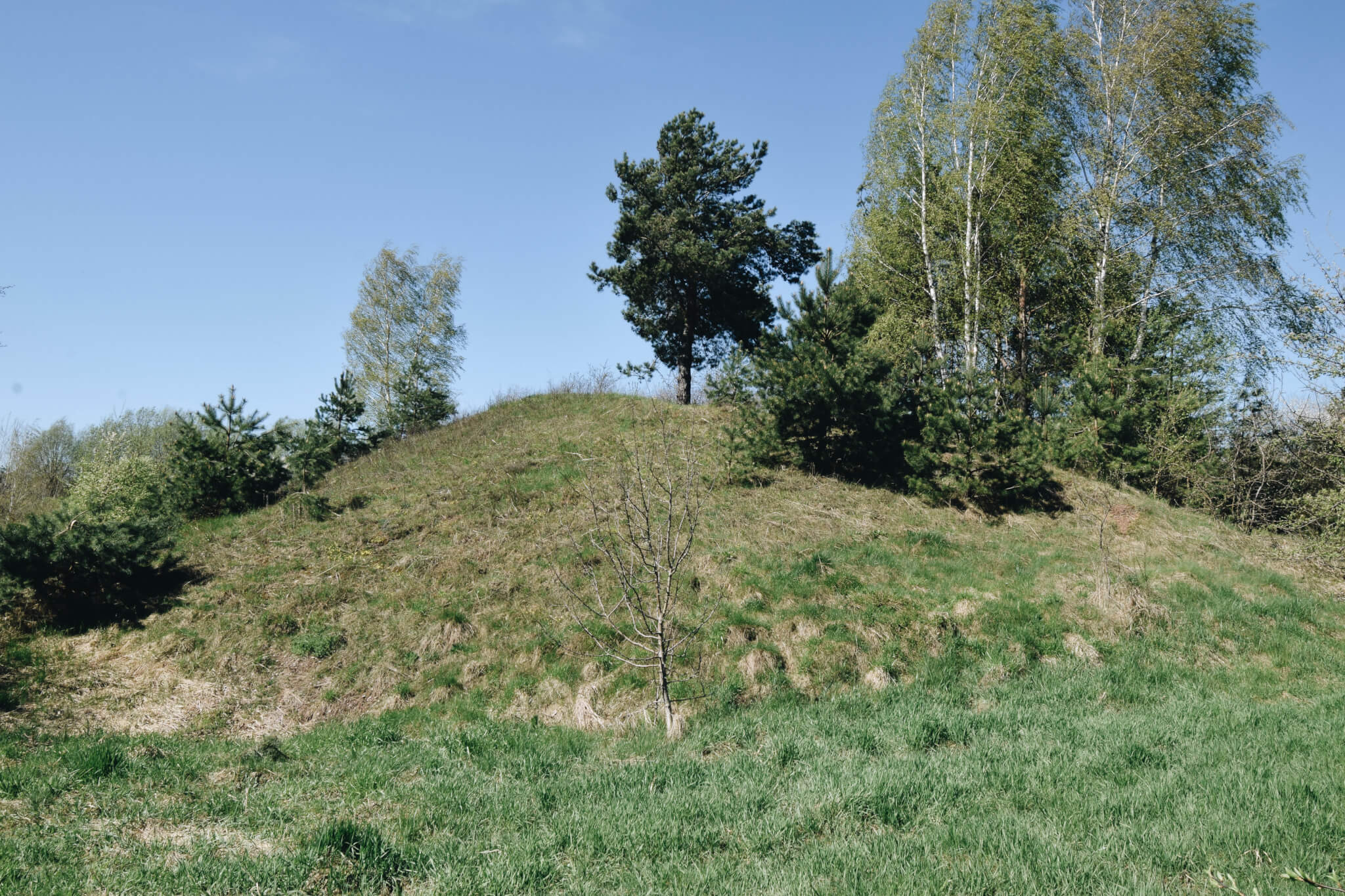
Such far-fetched plans did not become reality. Nevertheless, Pilaitė was and still is one of the fastest growing districts in Vilnius, and every few years its outskirts change beyond recognition. The settlement can be divided into three parts, each with its own character and history. The oldest one with the castle mound and the manor house in the foreground dates back to the times of the Grand Duchy of Lithuania. The second part was built at the end of the Soviet era and the birth of independent Lithuanian, while the third consists of the new construction that started after 2000. You’ll explore all three layers on our route, and you’ll end your journey on a rejuvenated beach – maybe it’s worth packing a swimming costume or a picnic lunch?

What you’ll learn/see on the route:

  • How are Pilaitė’s large-panel blocks different from the other residential areas of Vilnius?
  • Where does the name of the district come from?
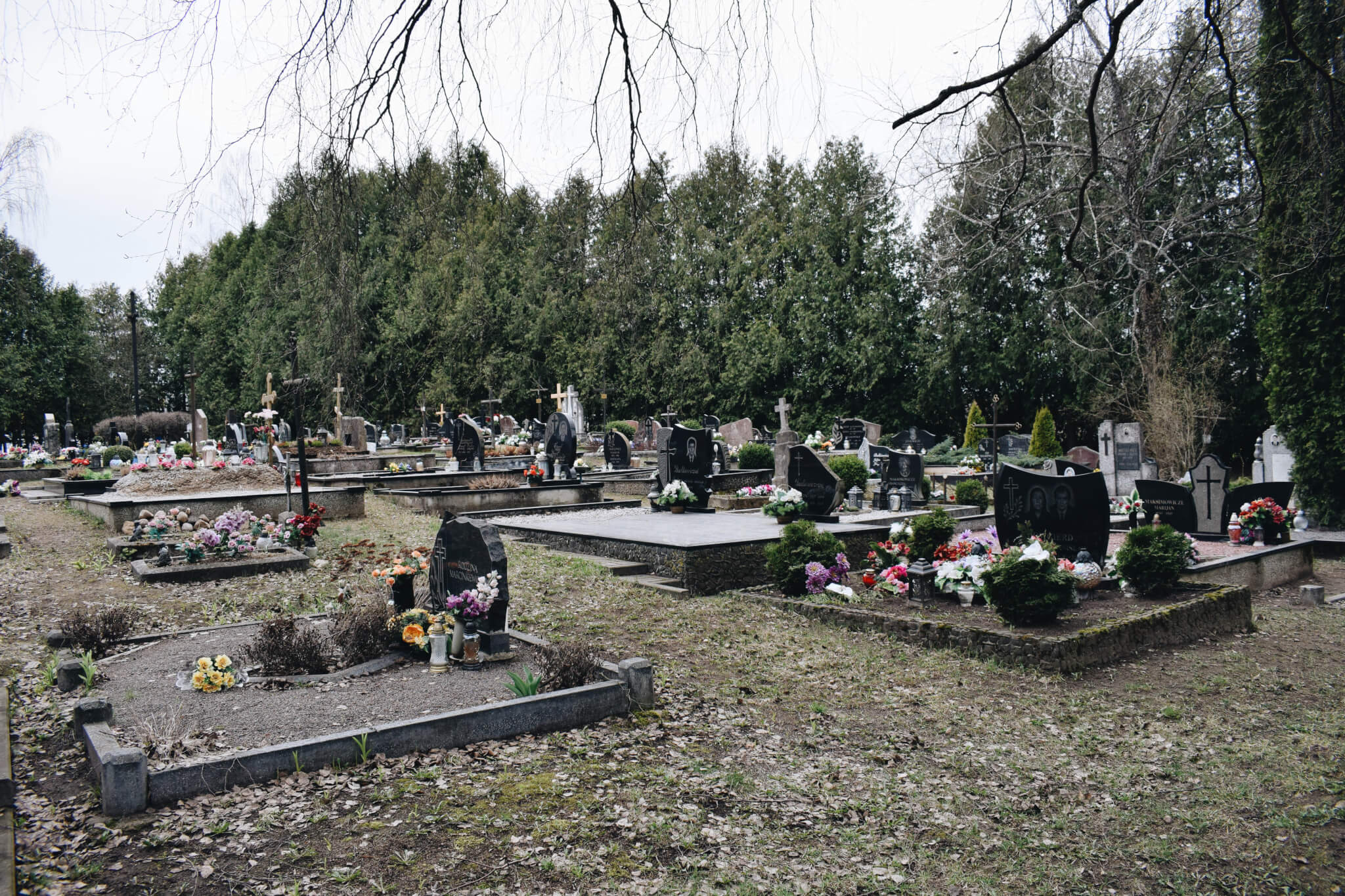
  • Which surnames are most often seen in Varnės cemetery?
Start location

Pilaitė Castle site

Duration
2 h Without going inside
Distance
5,50 km
Means of travel
Pėsčiomis
Terrain
Lengvas
Pet friendly
Additional information
  • The terrain is easy, but some sections are not recommended for people with mobility problems and parents with children in pushchairs – Pilaitė Castle, the Windmill, and Vilkeliškių Mound.
  • Suitable for visits with pets, except inside buildings and cemeteries

Route by ‘Gatvės gyvos’ ; photos by Vytautė Ribokaitė, ‘Gatvės gyvos’

1. Pilaitė Castle site

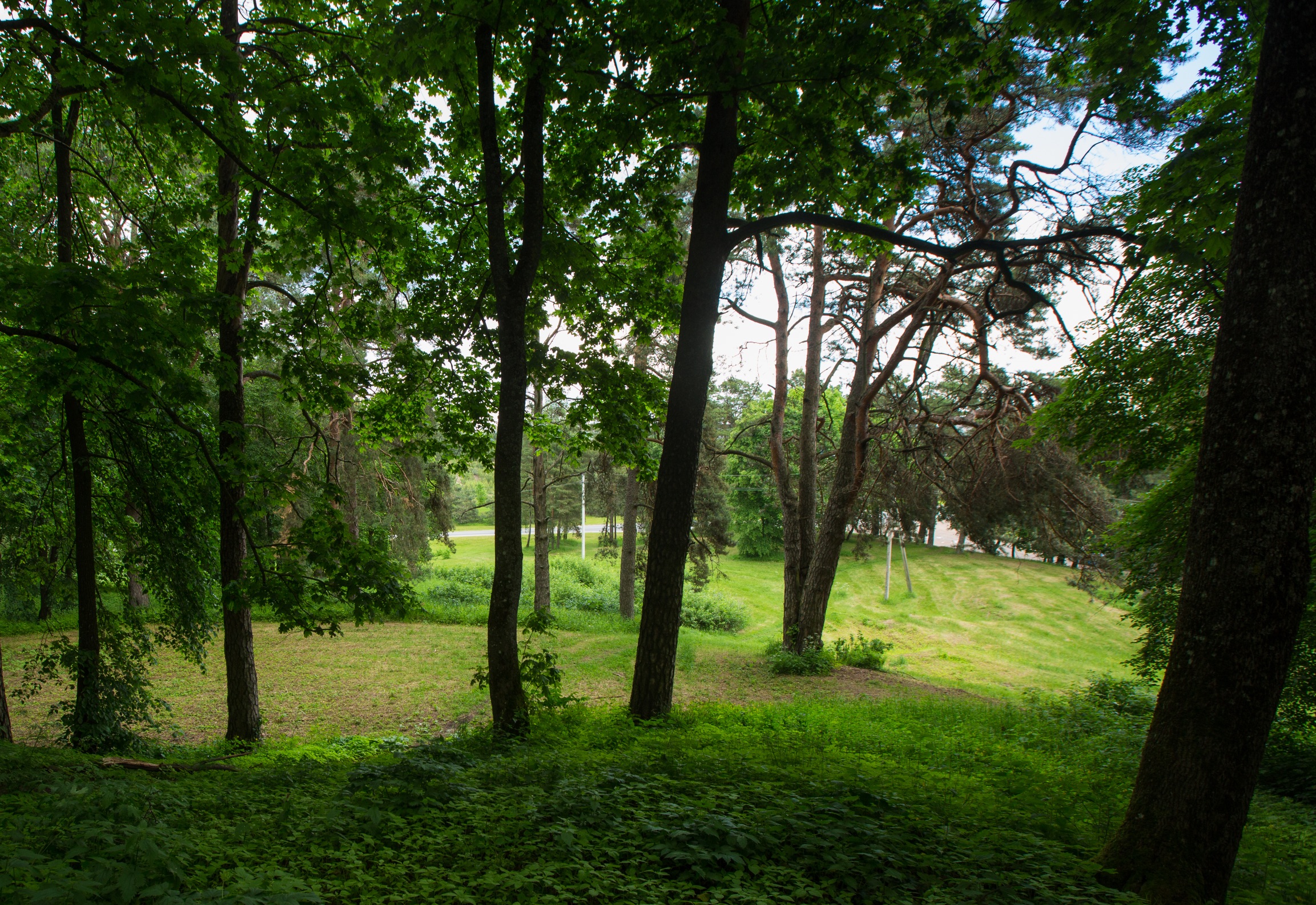
Let’s start our journey at the ancient castle mound. There is a legend about a Lithuanian…

2. Windmill

Windmills are historical monuments of technology, which had long been one of the main technologies…

3. Pilaitė Manor

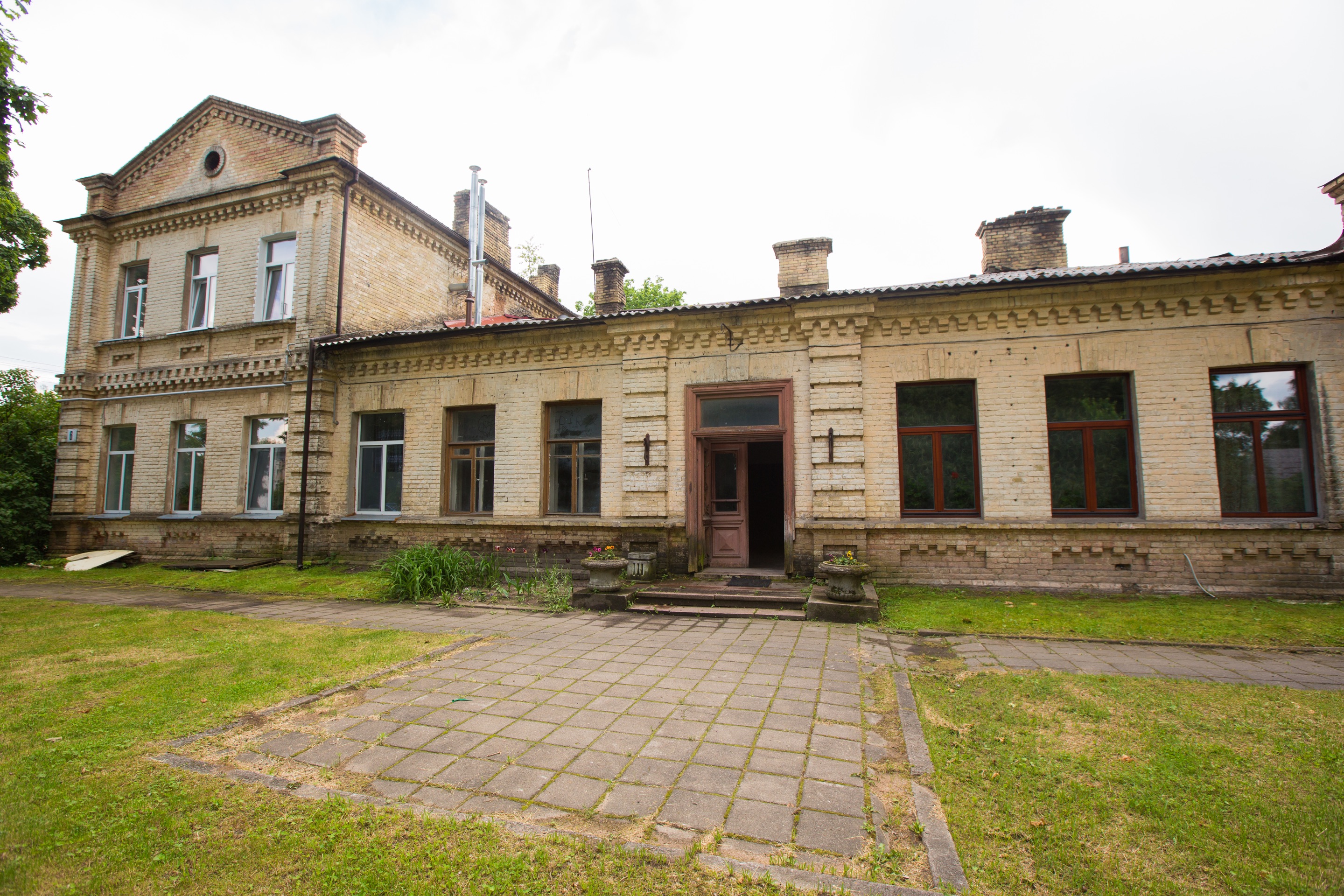
Naturally, a fully-fledged manor house was formed near the castle. It is known that in the 16th…

4. ‘Beepart’ Workshop

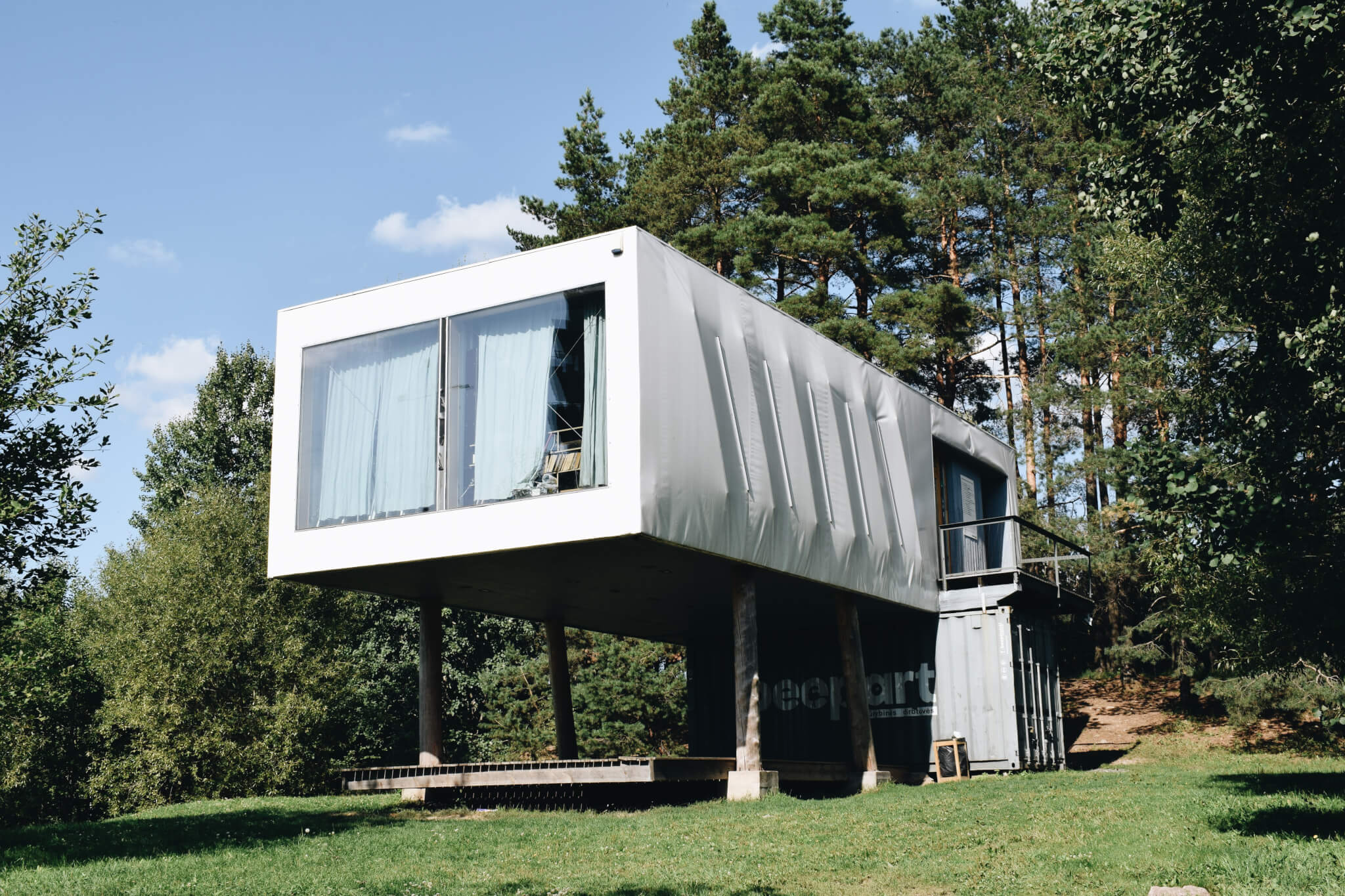
In 2011, an original building appeared in Pilaitė, which eventually became the heart of cultural…

5. Panel-block districts

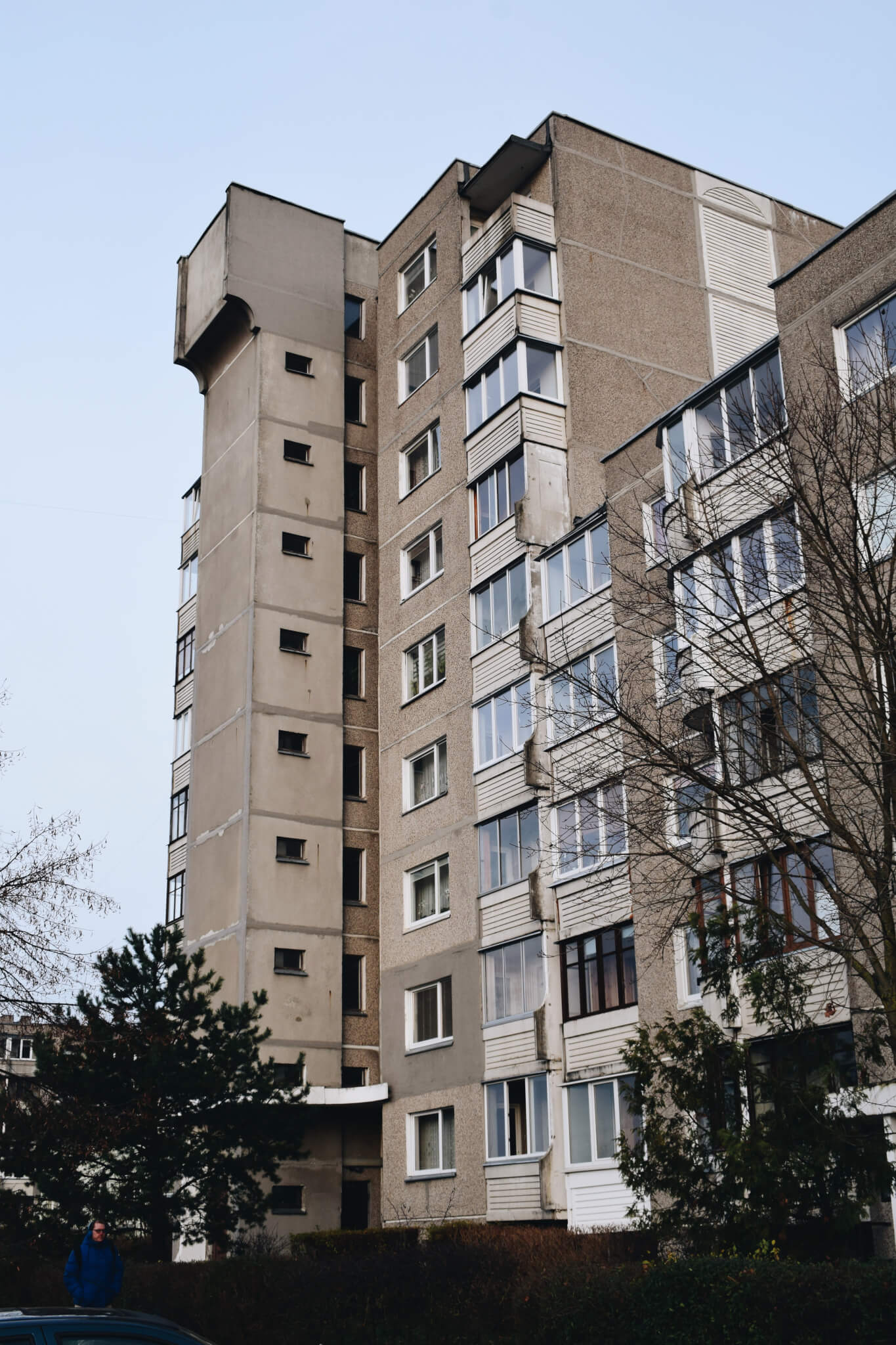
Pilaitė was the last of the Soviet-era panel-block housing districts. It was designed in the 1990s.…

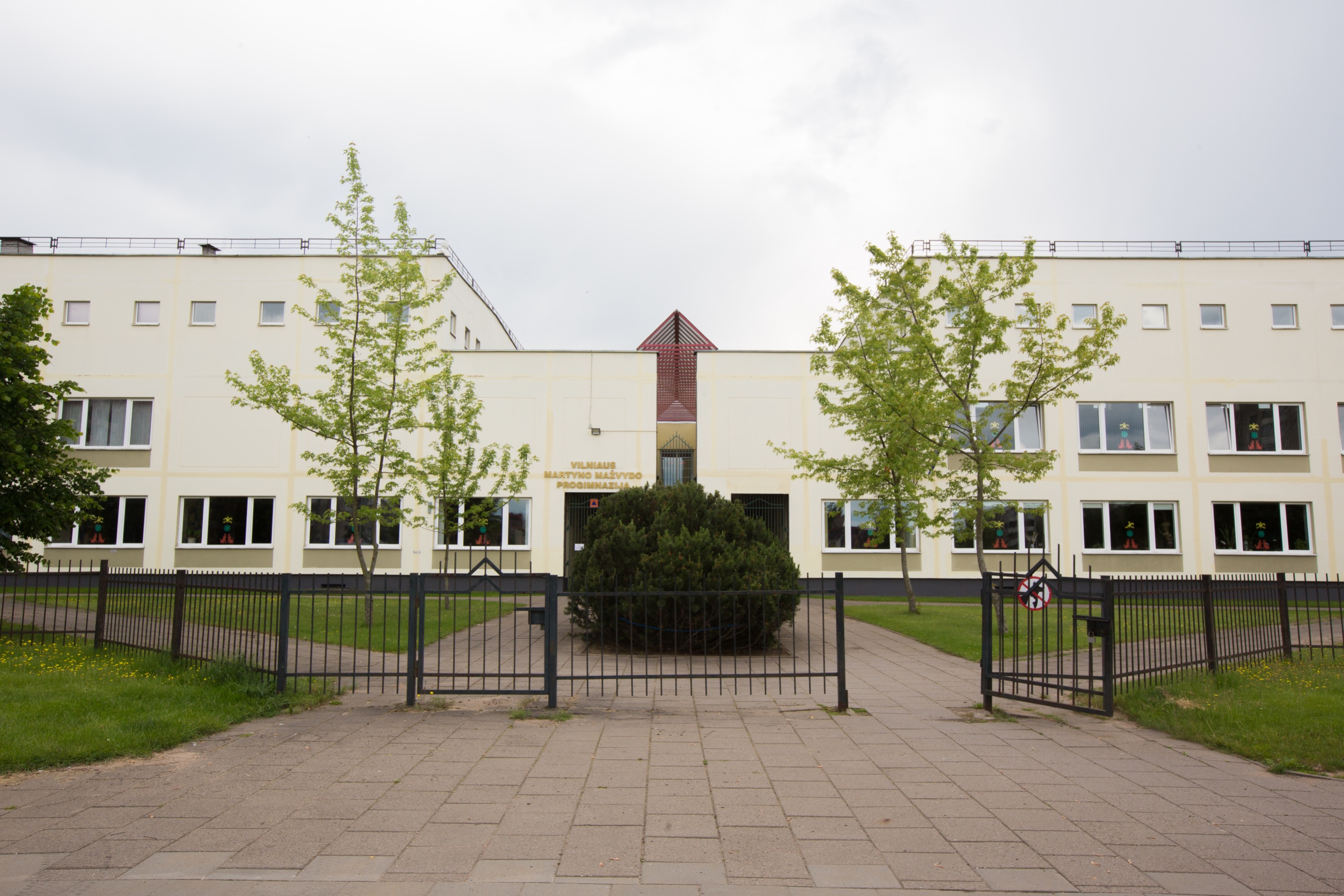
6. Martynas Mažvydas Progymnasium

It was the first school in Vilnius whose construction completely began and was finished after the…

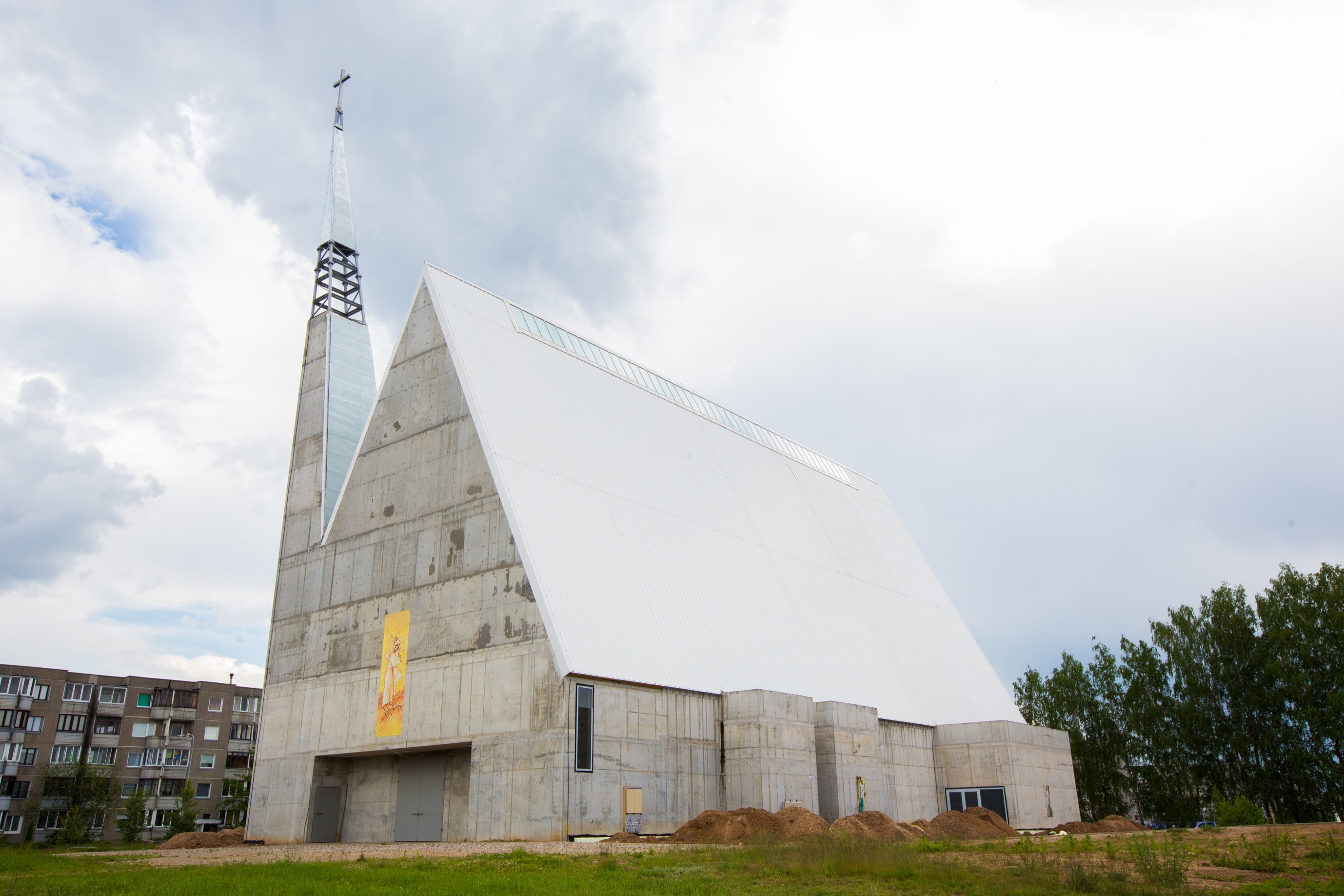
7. St Joseph’s Church

In the Soviet era, when new housing estates were designed, no space for churches was foreseen.…

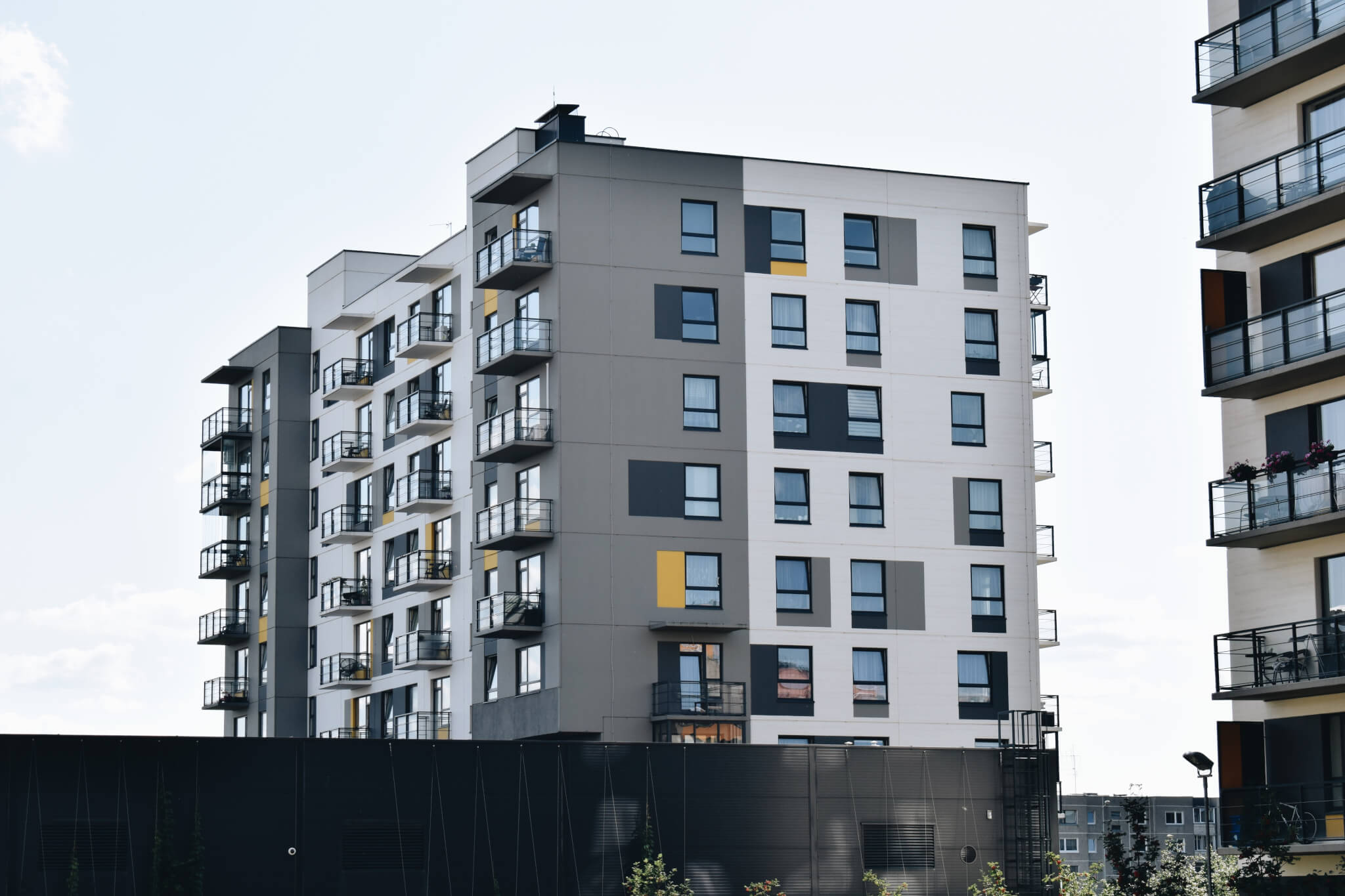
8. 21st century Pilaitė

The Pilaitė Plan, created during the Soviet era, became difficult to implement due to changes in…

9. Varnės Cemetery

It is a strange feeling to find a small cemetery in a growing and hurrying city, right next to…

10. Vilkeliskių Mound

We end our journey in a place that lets us catch our breath. When you climb the hill, try to feel…