Neakivaizdinis Vilnius Neakivaizdinis Vilnius
Vilnius Districts studies

Žvėrynas

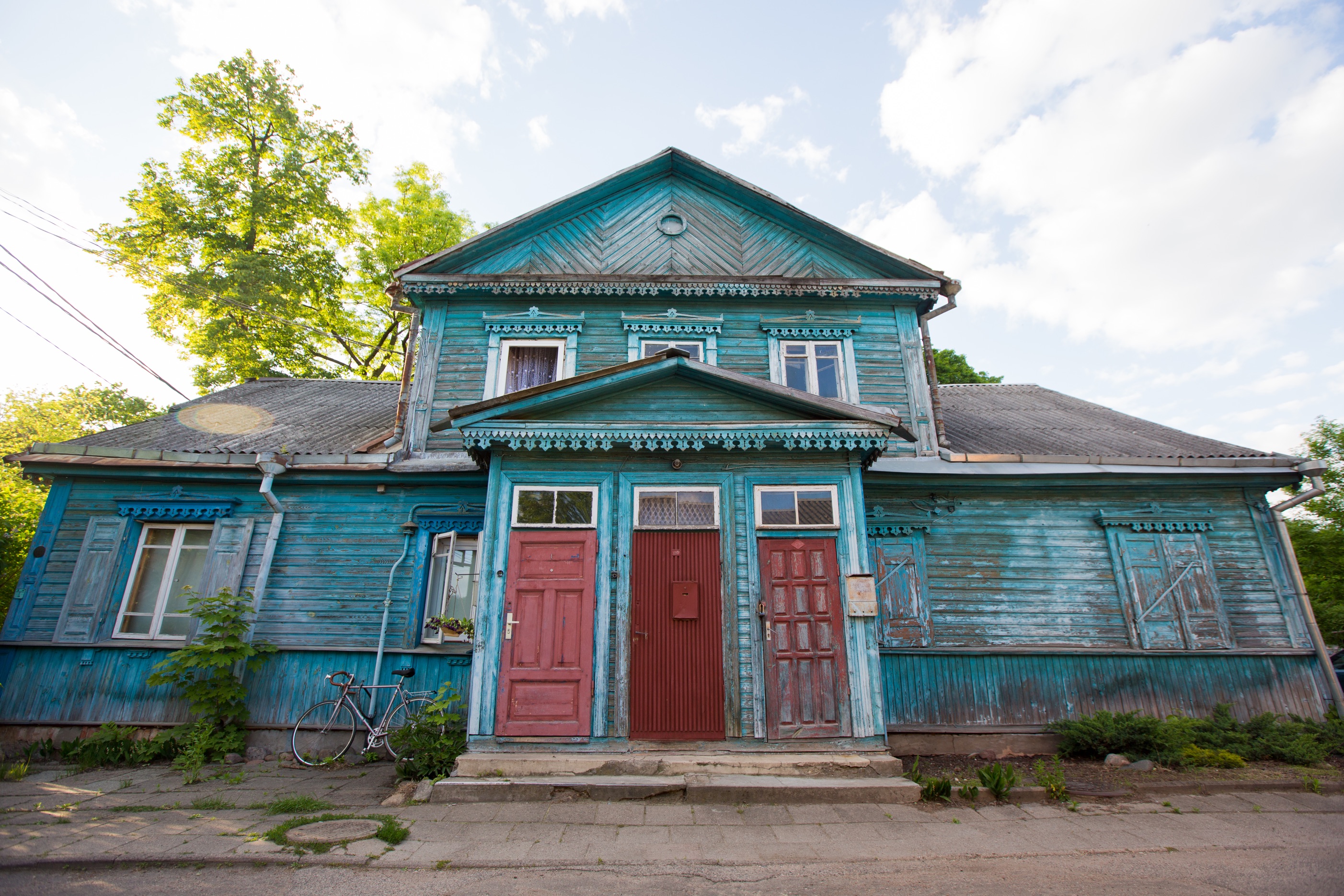
Prestigious throughout the ages – wooden architecture and composers' quarter ahead of its time on the edge of Old Town

Žvėrynas is full of wooden houses, but not because it was once a village. On the contrary, it has always been a place for the elite rather than peasants.

In the 16th century, this territory belonged to the noble Radziwiłł family: they used to organise hunts here, and perhaps even breed game (hence the name of the place – ‘menagerie’), and there are legends about a former hunting estate. For a long time, Žvėrynas was an almost uninhabited forest. In fact, travellers in the 19th century mention that, although the area was surrounded by a fence of sharp-pointed fences, the wild beasts had almost disappeared. A whole new era began at the end of the 19th century when several wealthy merchants from St. Petersburg took an interest in Žvėrynas. The biggest change came in 1892 when Vasily Martinson became its owner. Realising the value of the area on the banks of the Neris, Martinson soon began to subdivide the land in Žvėrynas and sell plots for building villas. Martinson advertised his precious land in the richest cities of the Russian Empire, and construction in Žvėrynas accelerated dramatically, with many impressive wooden architectural gems springing up; by the time of the First World War, the current regular street network had been finally formed. In 1938, wooden construction ceased and the phase of constructing using bricks began. In the early Soviet era, typical low-rise houses appeared, and in the second half of the epoch, multi-storey houses appeared. However, this was done with restraint and the prestige of the district was maintained. Since the restoration of independence, some of the dilapidated wooden houses have been replaced by modern buildings, but there are also fans of the old architecture who are bringing the unique wooden heritage back to life.

What you’ll learn/see on the route:

  • What is the legend behind the stone with the Pillars of Gediminas?
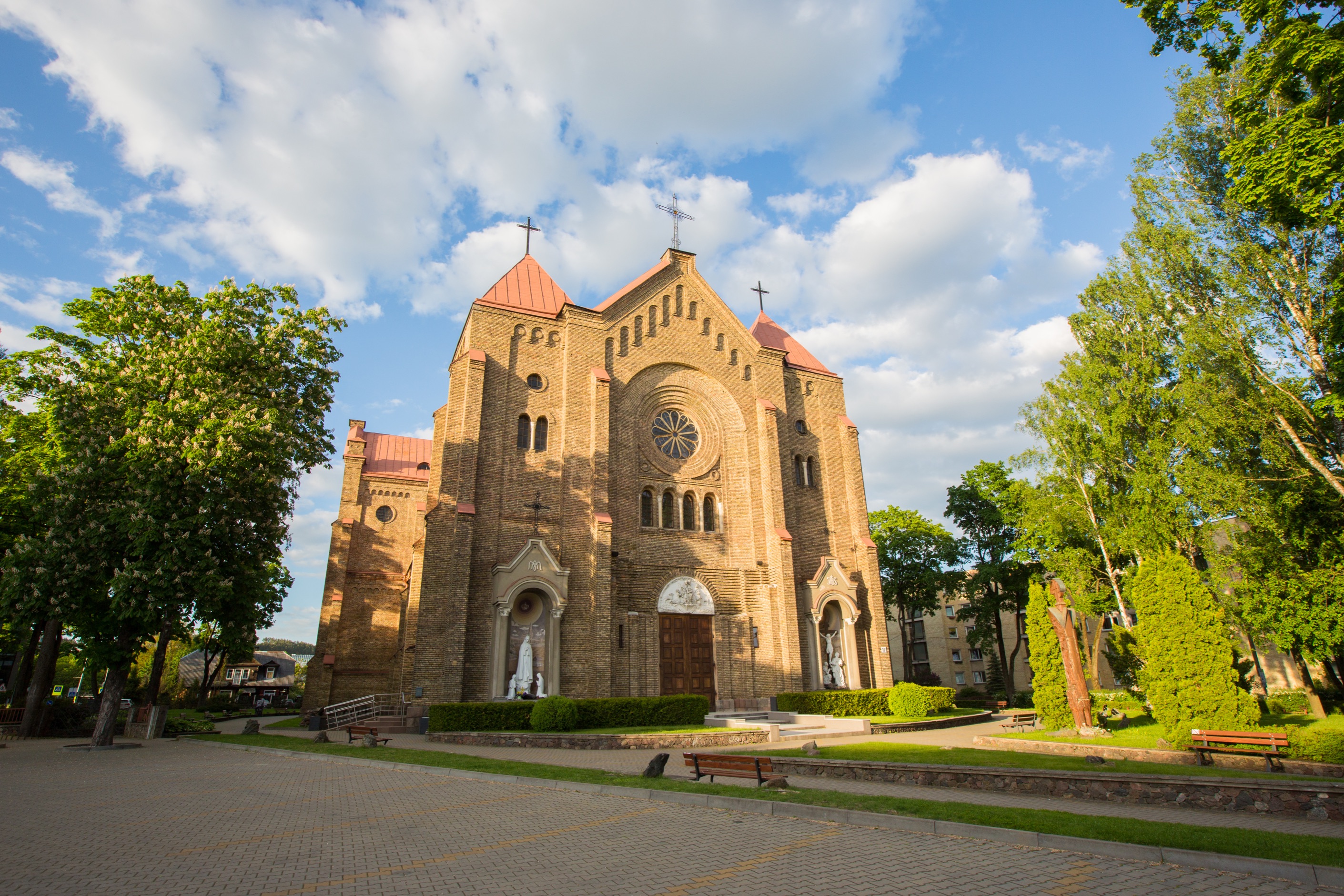
  • What unusual image adorns the altar of Žvėrynas Church?
  • Which street is distinguished by its cluster of interwar modernist architecture?
  • Where is the founder of modern Žvėrynas buried?
Start location

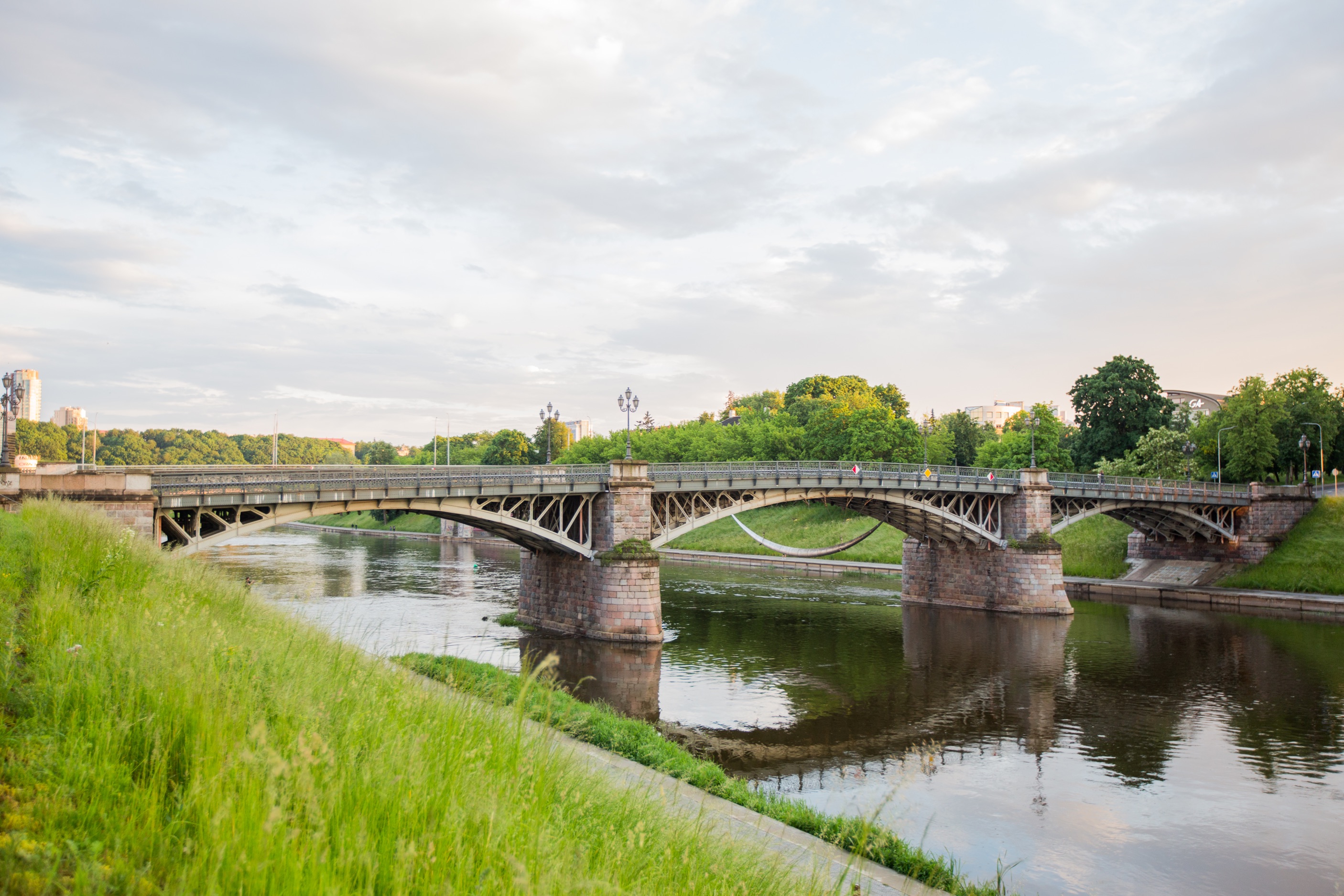
Žvėrynas Bridge

Duration
1.45 h Without going inside 2 h 20 min. With going inside
Distance
4,90 km
Means of travel
On foot
Terrain
Easy
Pet friendly
Additional information
  • Suitable for people with reduced mobility and parents with children in pushchairs – the terrain is smooth and the pavements are in good condition.
  • Pets are fine, except for indoor attractions.

The route was created by ‘Gatvės gyvos’; photos by Vytautė Ribokaitė, ‘Gatvės gyvos’ and Orinta Labutytė.

1. Žvėrynas Bridge

In 1902, there were already 5 brick houses and 285 wooden houses in Žvėrynas, and there was a need…

2. Znamenskaya Church

In 1899, the developer of Žvėrynas, Vasily Martinson, donated the land by the bridge to the…

3. Wooden houses

It is the wooden architecture that makes Žvėrynas unique. When V. Martinson started to divide the…

4. Church of the Immaculate Conception of the Virgin Mary

After the 1905 Russian Revolution, the Tsarist system became freer in many areas, including…

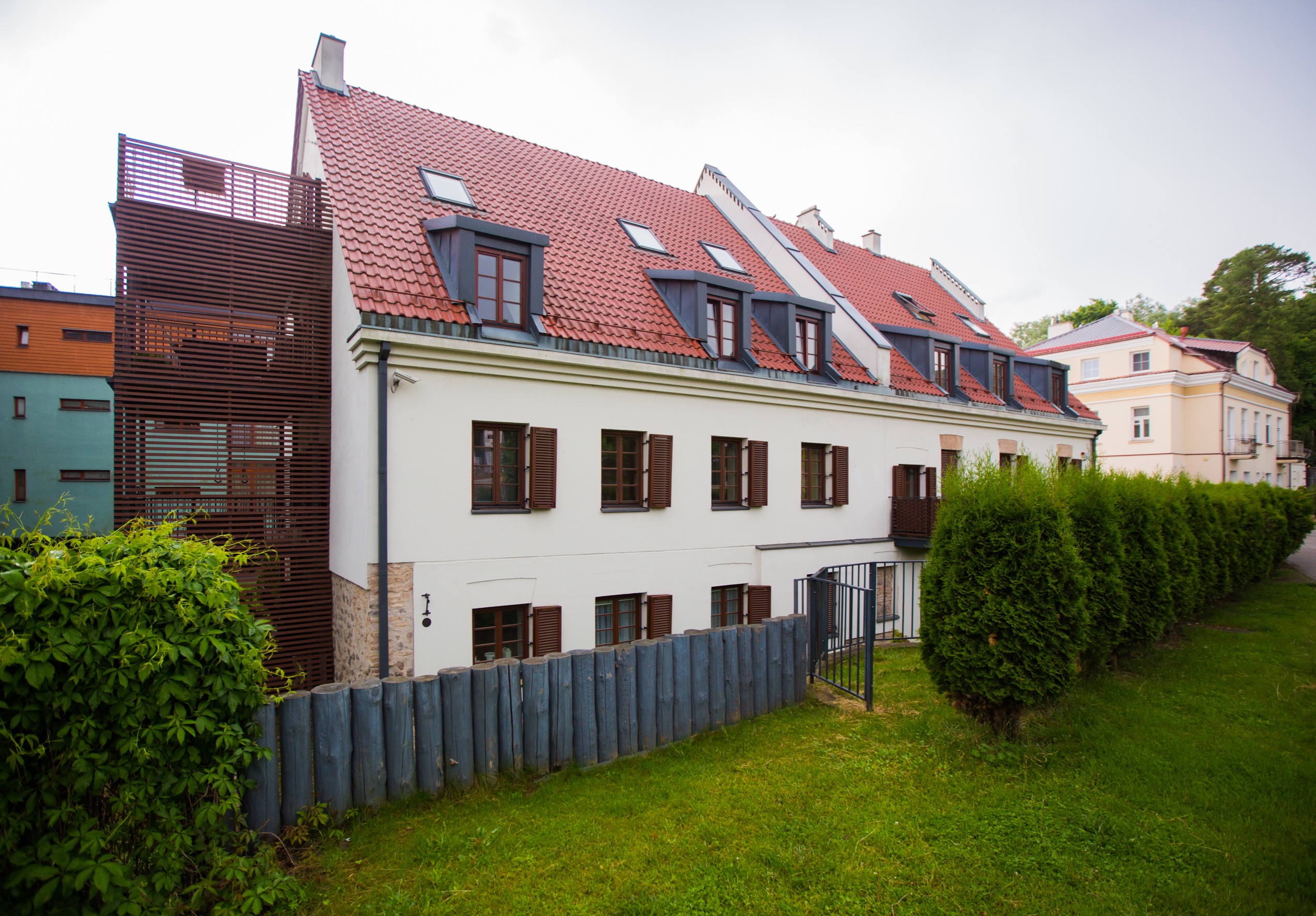
5. The Mill

The oldest building in Žvėrynas is the water mill. It was built and the ponds were dug as early as…

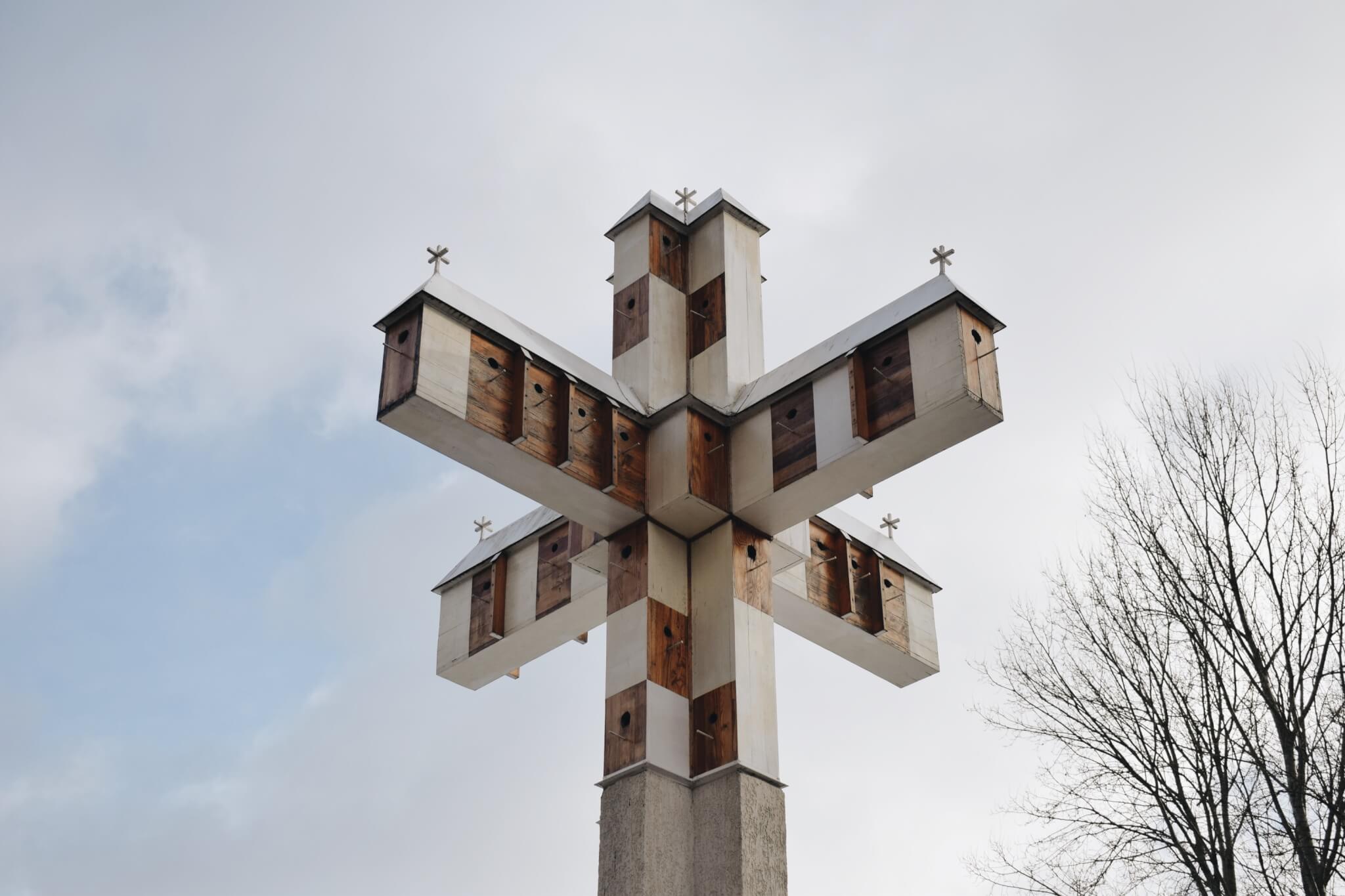
6. ‘The Chirping Cross’

In 2001, an empty meadow on the outskirts of Žvėrynas was decorated with the ‘Chirping…

7. Natural attractions

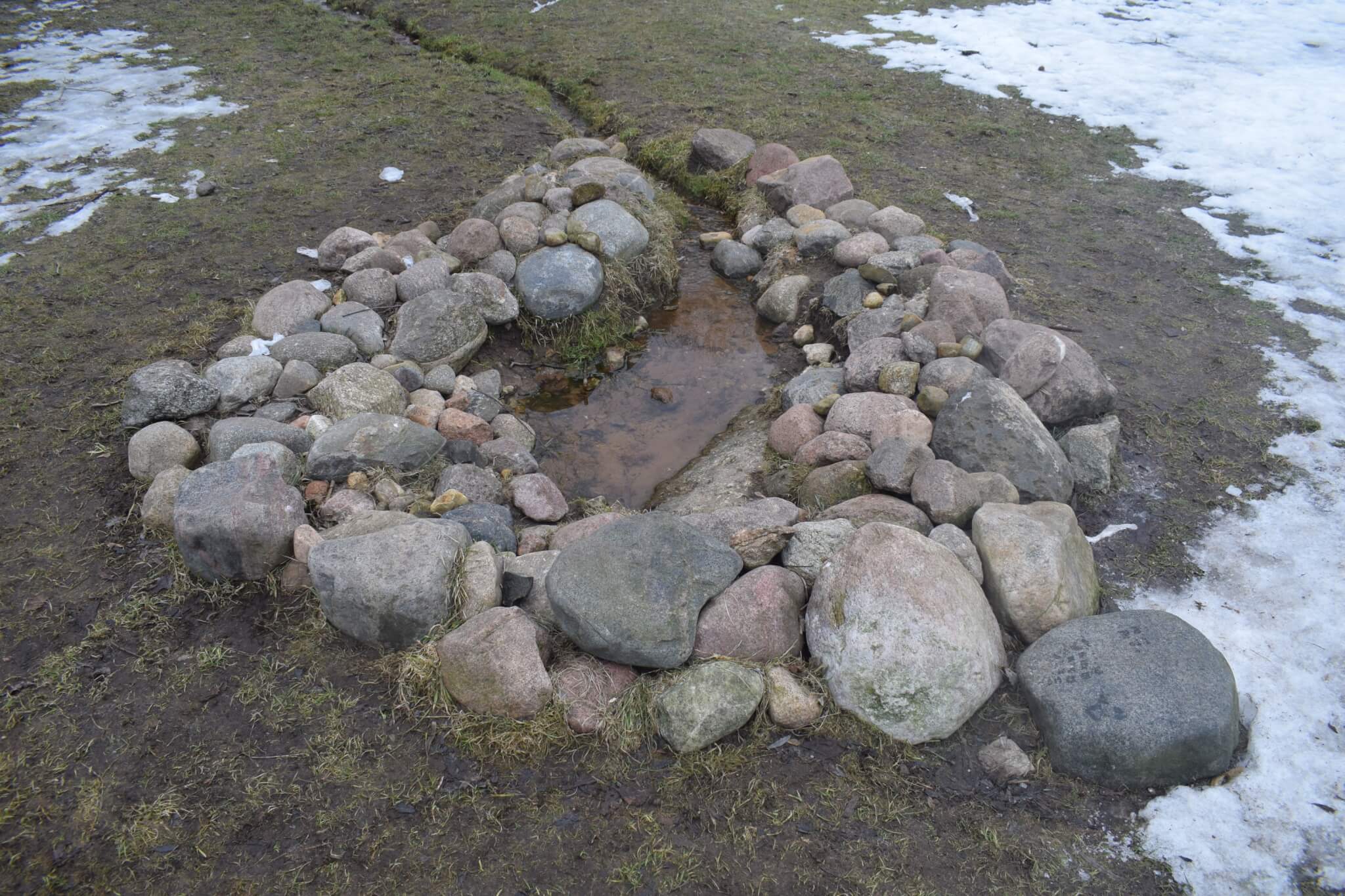
Although we are very close to the city centre, Žvėrynas has several objects that are typical of…

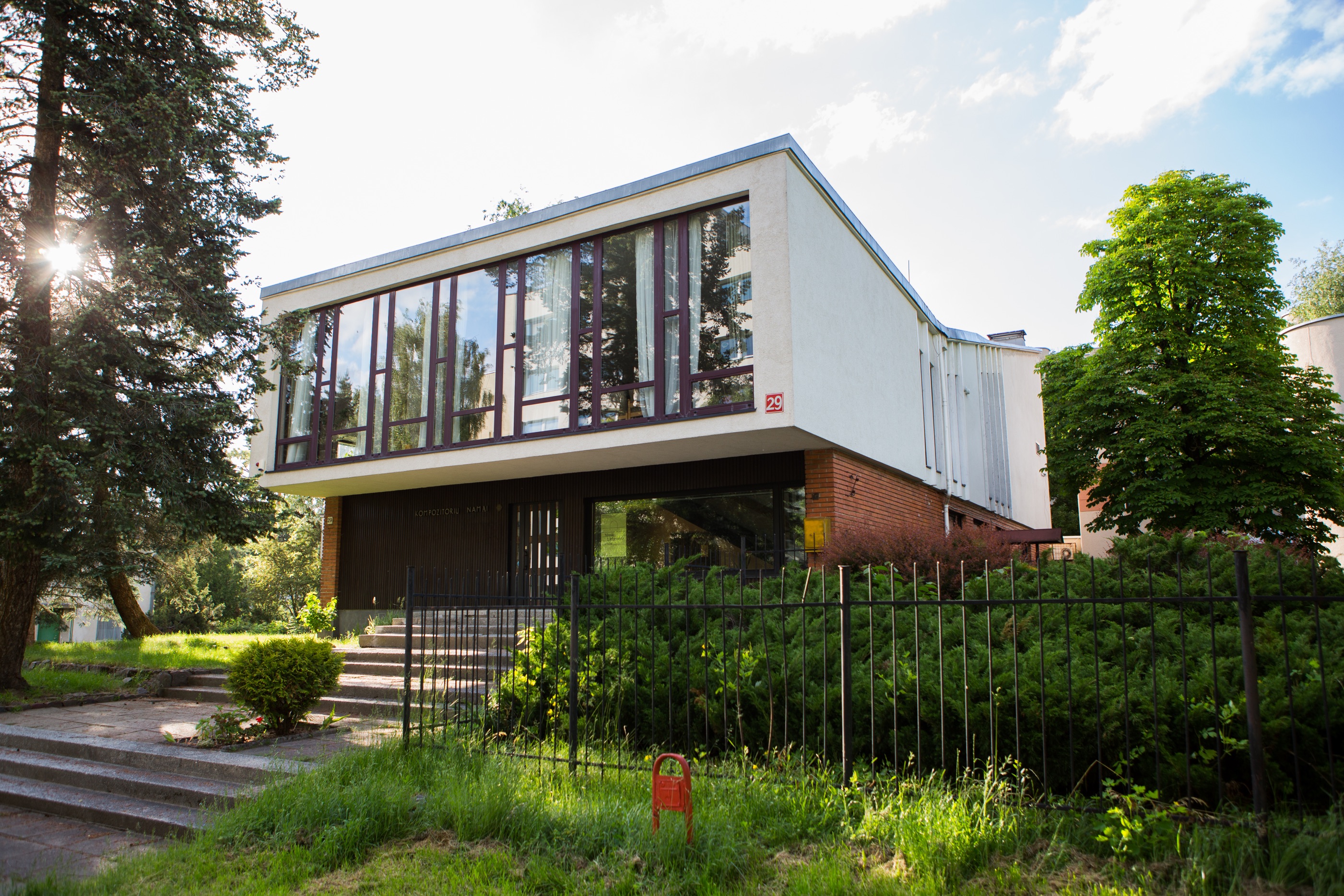
8. House of Composers

In the late1950s, the Architects’ Union of the USSR started organising study trips for architects…

9. Modernism Street

The architecture of interwar modernism was characterised by its opposition to the over–elaborate…

10. Kenesa

At the end of the 14th century, Vytautas began the history of the Karaite people in Lithuania by…

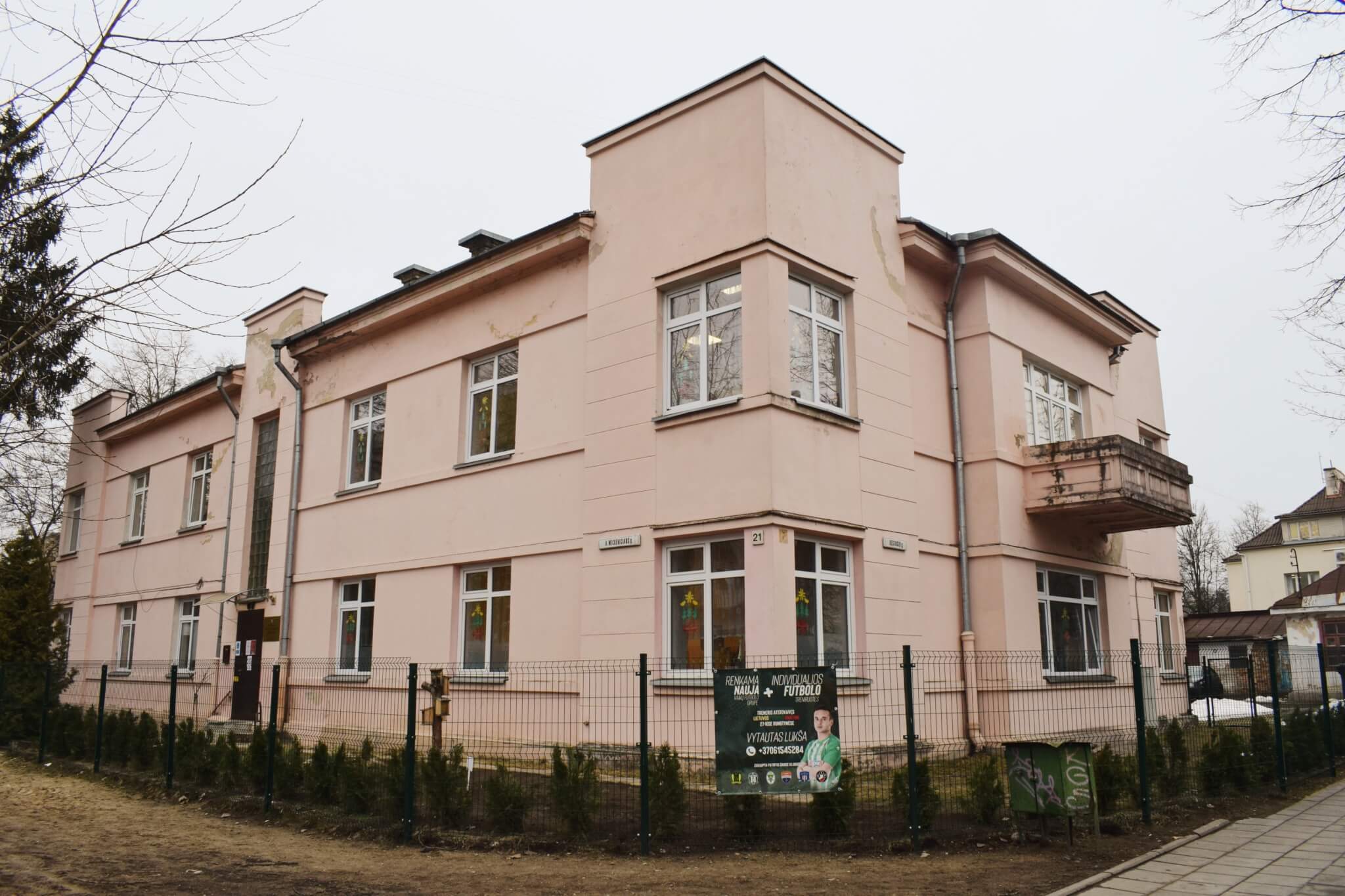
11. The first radio station

This unremarkable two-storey brick building, built in 1905, is the site of the very first Vilnius…

12. The Gediminaičiai Stone

Although this stone was found in the riverbed when the Neris was dredged in 1958, not even all…