
Neakivaizdinis Vilnius Neakivaizdinis Vilnius
Literature

Czesław Miłosz’s Vilnius

Places related to the writer's life in Vilnius 1920-1937

Įrašo pavadinimas:

“I am a citizen of the world, and my nationality is Vilnius” once said the Lithuanian-born Nobel Prize Laureate for Literature, Czesław Miłosz (Česlavas Milošas) (1911-2004).

The writer’s connection to Vilnius is not only his love for the city in general but also its many places. We invite you to take a walk along a route through the streets, buildings, and other places associated with Czesław Miłosz’ life in Vilnius between 1920-1937. These places that are important to the writer are mentioned in quotations from which the route is drawn.

Miłosz studied at the Stepono Batoro (now Vilnius) University and published his first two books of poetry. In 1951, after requesting political asylum, he chose the life of an exile. He lived in France and the USA. It was not until 1981 that he went to Poland, and in 1992, he visited Vilnius, the city of his youth. 

I could never leave you, the city, 

The miles were long, but they pushed me back like a chess piece.

I was running on the ground, which was spinning faster and faster, 

But I was always there: with the books in a canvas box, 

After gazing at the bronze hills behind St. James Towers…

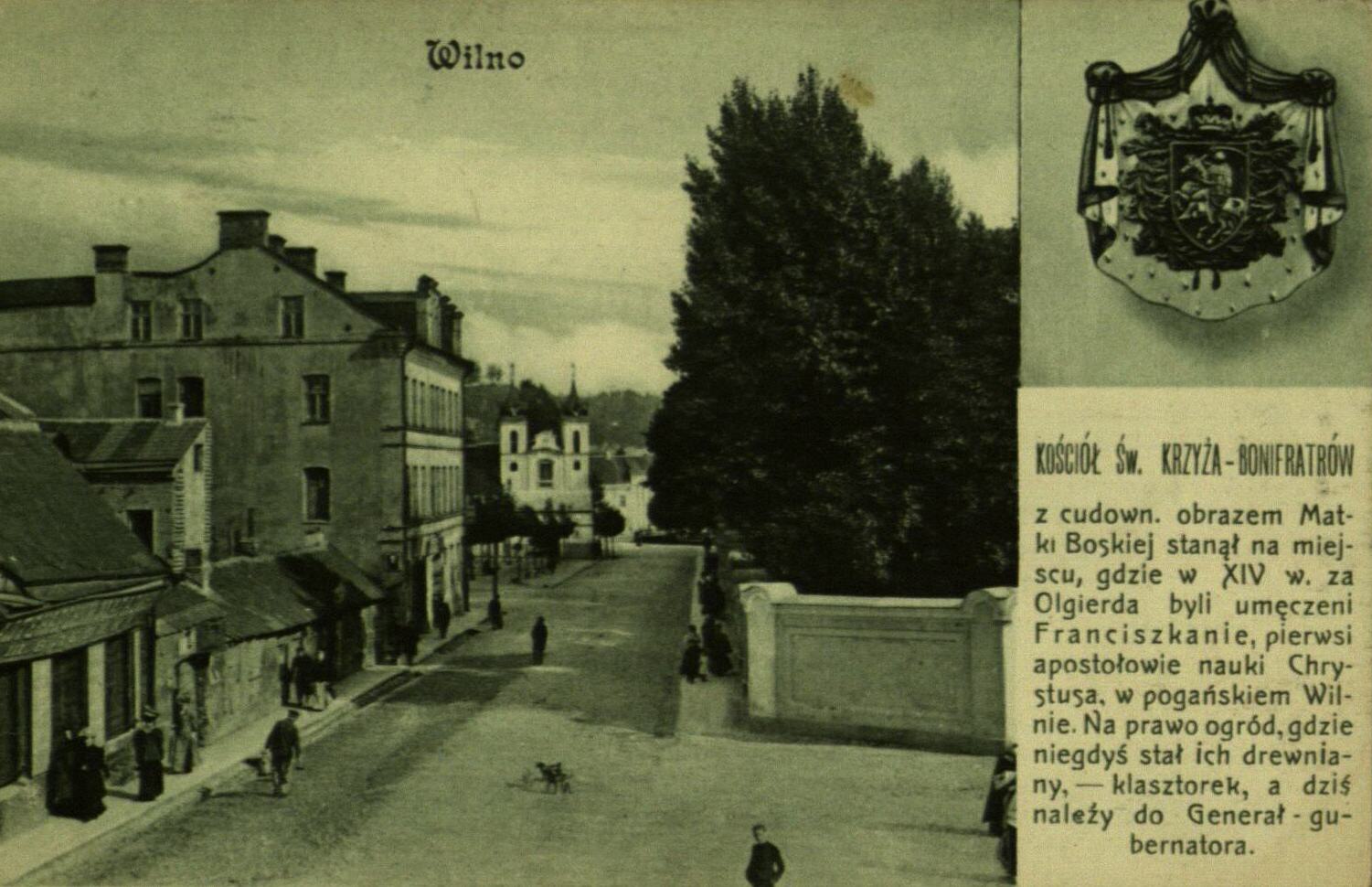
It is a blessing if one is destined to study in a city such as Vilnius – the strangest city of Baroque and Italian architecture transplanted to the northern forests; stories imprinted on every stone, a city of forty Catholic churches and numerous synagogues, once known as the Jerusalem of the North.

My youth was mainly Parisian-Vilnius. And at the same time, if we talk about my hunch at that time, around the 1930s, Vilnius seemed to me to be an opportunity for happiness. A chance of happiness that, for various reasons, remained unrealised, either in my personal life or in the life and history of the city. A great opportunity for happiness, perhaps because of the blended interplay of city and nature…


Start location
Pakalnės g. 7
Duration
1.40 h Without going inside
Distance
8,50 km
Means of travel
Pėsčiomis
Pet friendly
Additional information

Routed by Vytautas Damaševičius (1944-2021).

The route uses quotations by Czesław Miłosz taken from the publications: ’Starting from my streets’, ’Native Realm’, and ’The Enchanted Gucci’ by Czesław Miłosz, and ‘The Rebellious Czesław Miłosz’s Self-Portrait’ by A. Fiut, as well as Miłosz’s Nobel lecture at the Swedish Academy of Sciences.

This English text relied on translations by Birutė Jonuškaitė, Rolandas Rastauskas, Juozas Tumelis, Algis and Barbara Kalėdos, Vytautas Damaševičius, and Almis Grybauskas 

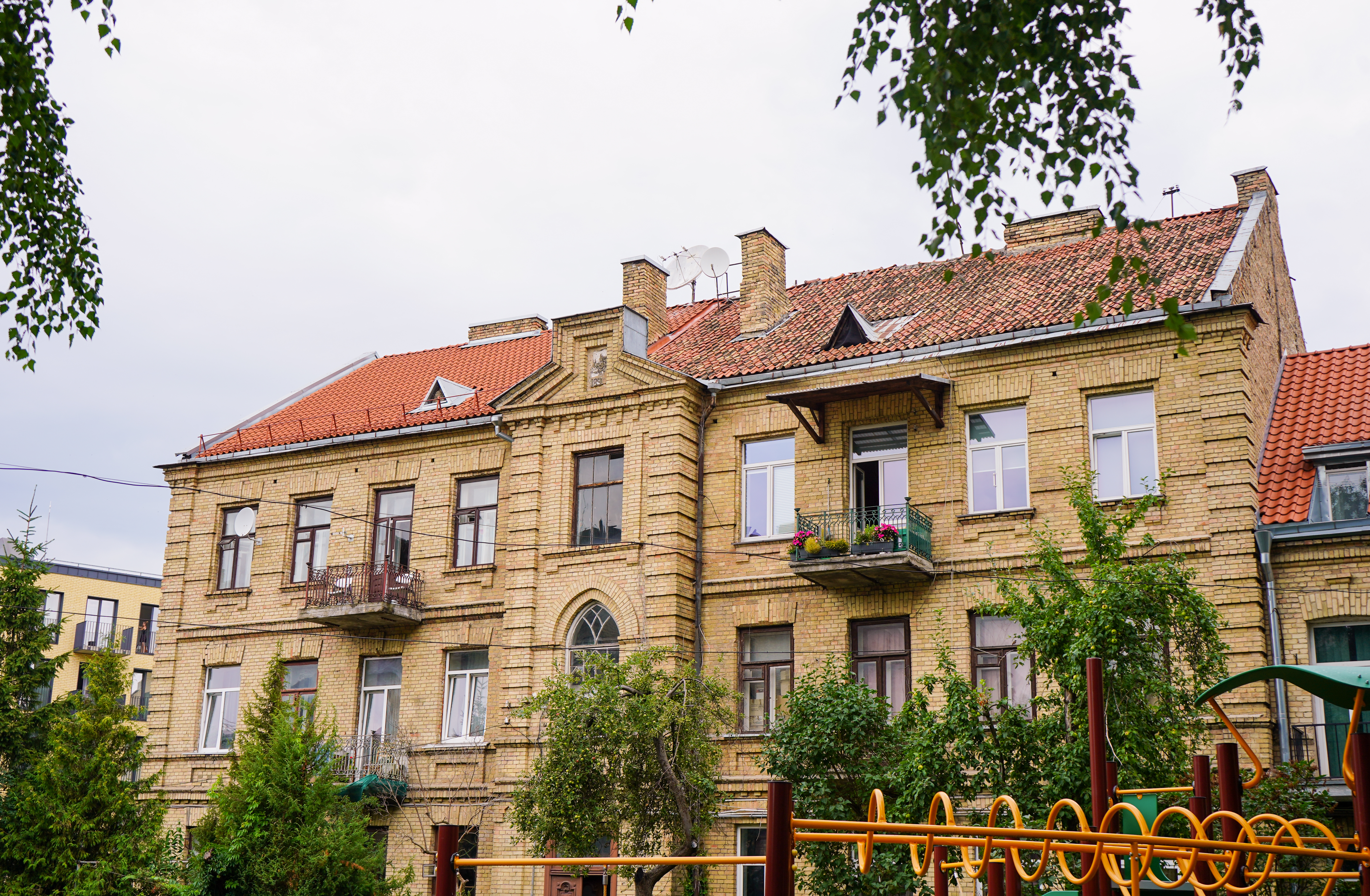
1. Pakalnės g. 7

For many years, our family lived at number five Pakalnės Street. The house was rented out, and we…

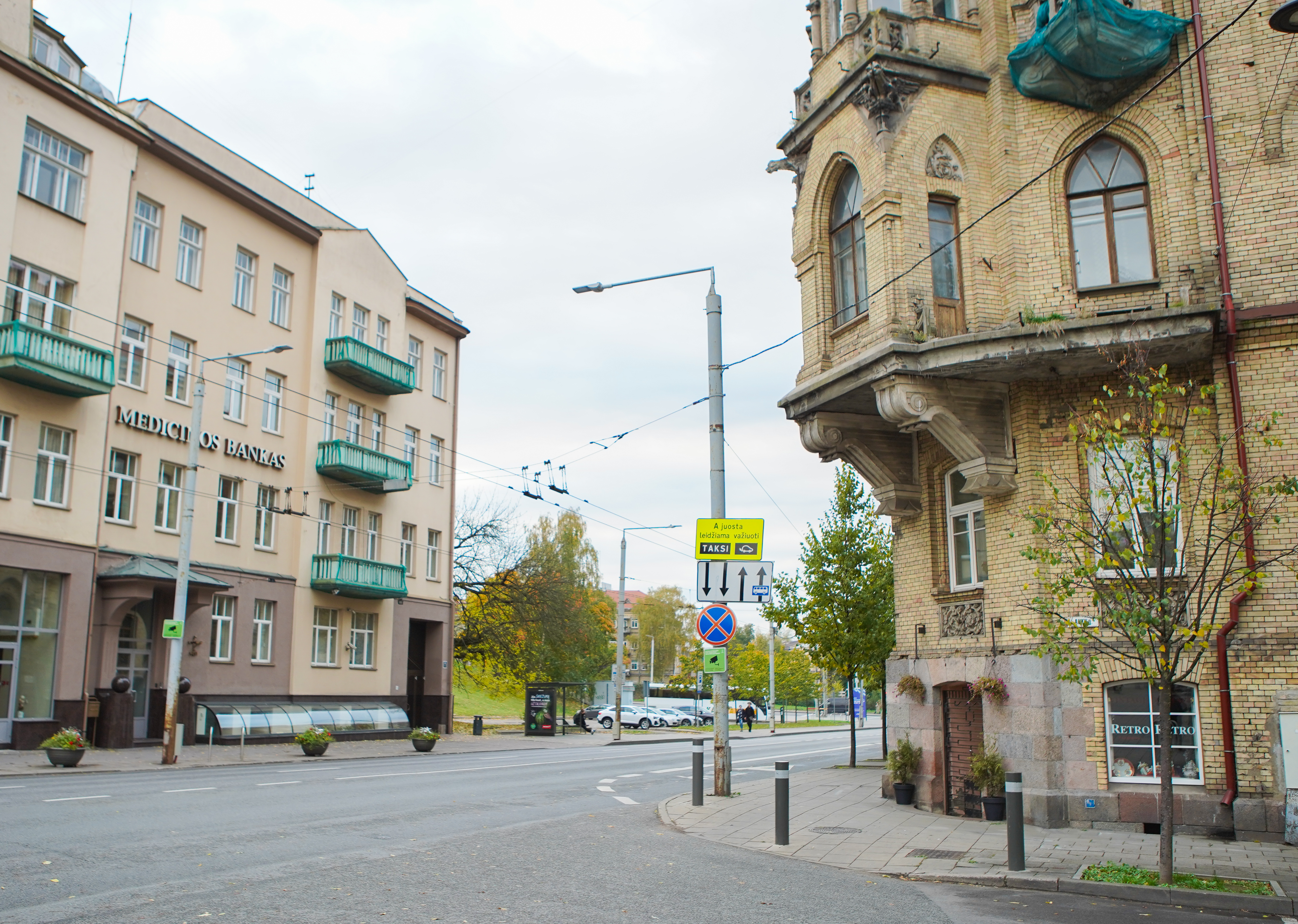
2. Pamėnkalnio g.

For me, the most important street in Vilnius was probably Portowa. Not even a street, because it…

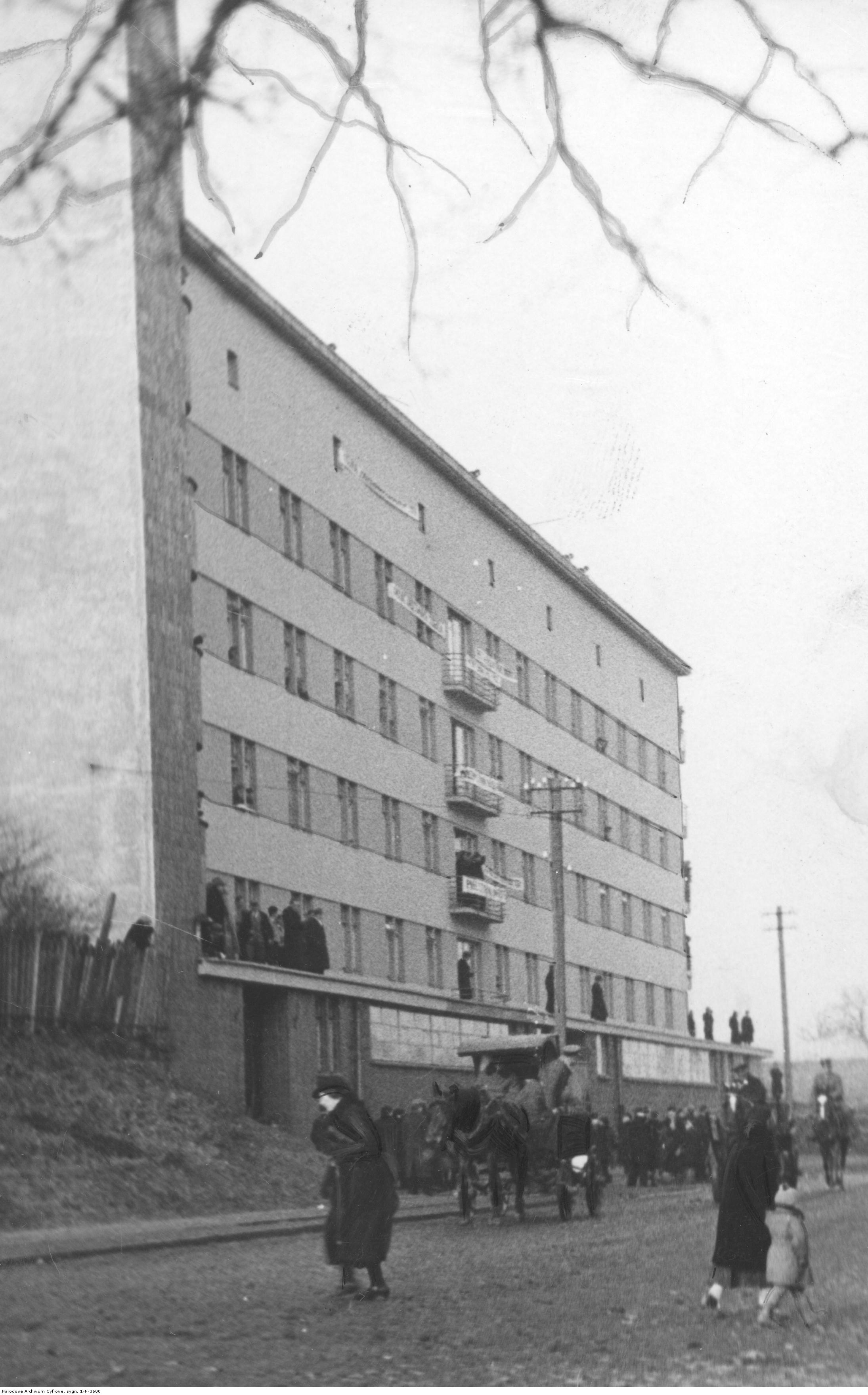
3. Stepono Batoro University dormitory (now an apartment building)

That was the year I lived in a dormitory on Tauro Hill. It was a new dormitory. I had a tiny room:…

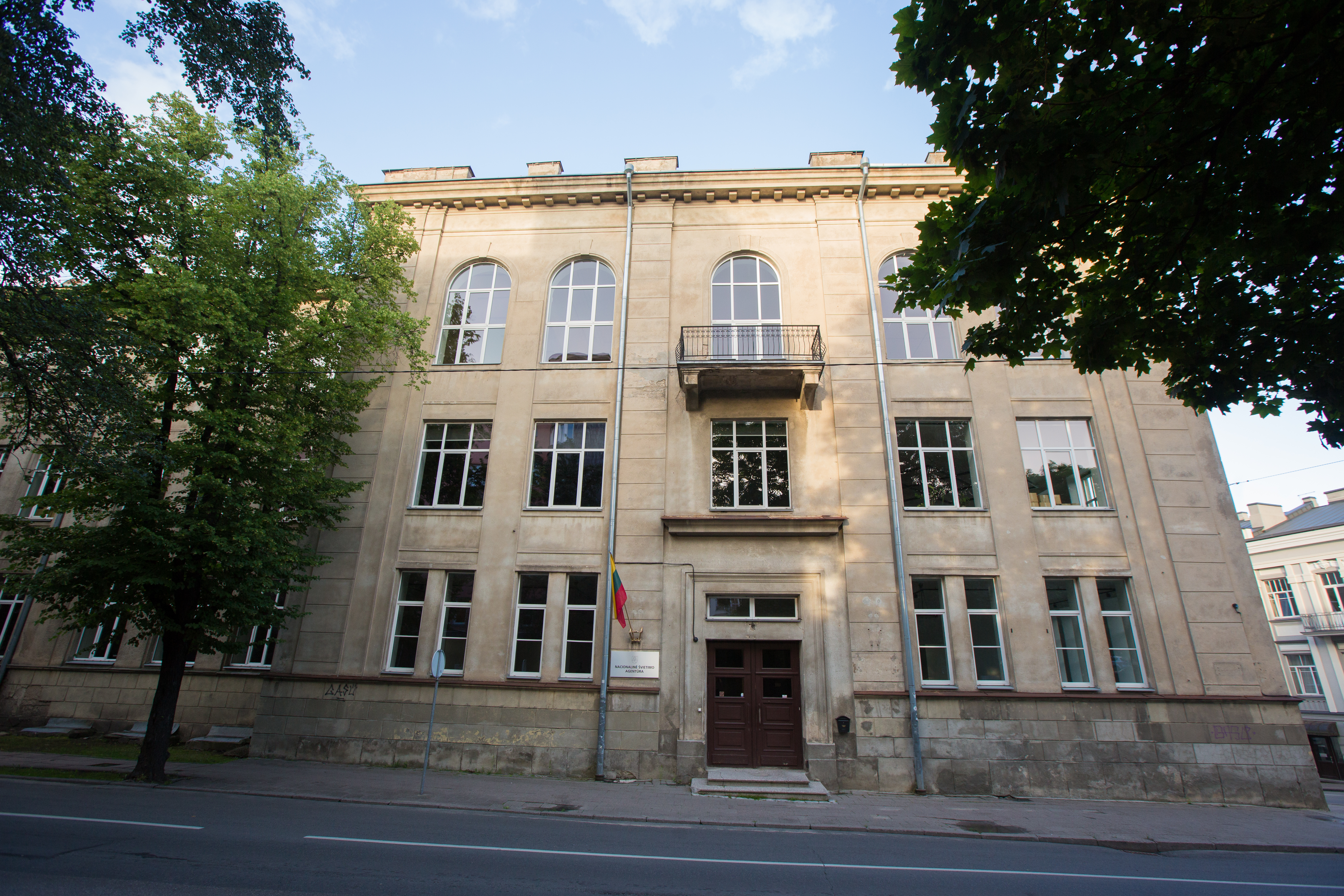
4. Žygimantas Augustas Gymnasium (now the National Education Agency)

The gymnasium was located on the corner of Tauro Hill and Mala Pohulianka; an eighth-class state…

5. The Tomasz Zan Library (now an apartment building)

In my case, of course, there are distortions, because a child grows up in one place, surrounded by…

6. City theatre, where the ‘Reduta’ troupe worked (previously the ‘Russian Drama Theatre’, now the ‘Old Theatre of Vilnius’)

Vilnius was a city of theatres, especially when Osterwa’s ‘Reduta’ came to Vilnius. So, around the…

7. Vilnius Radiophone (now the ‘State Small Theatre of Vilnius’)

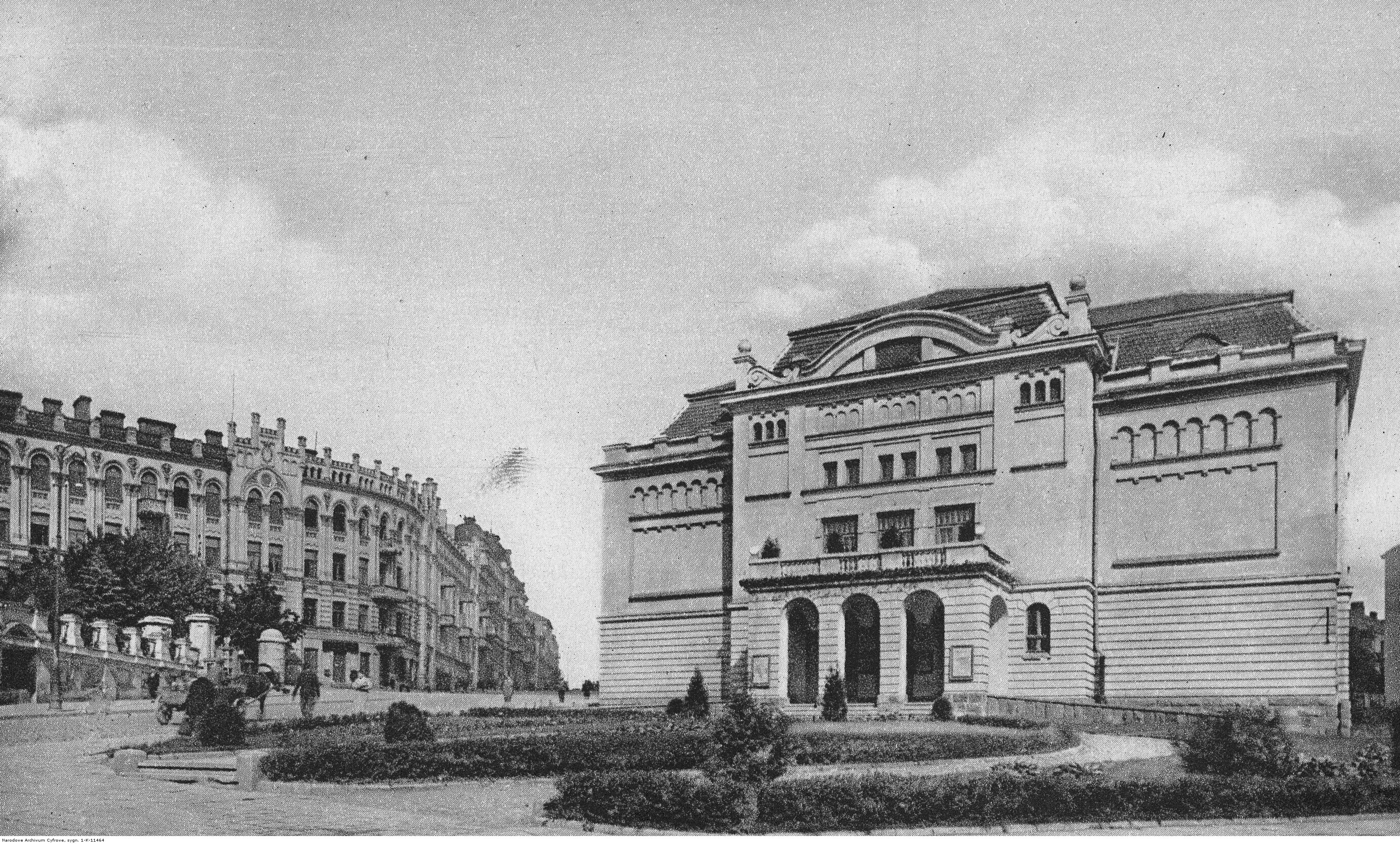
It was very difficult to get any kind of job in Vilnius. As it happens, my friend Byrski was…

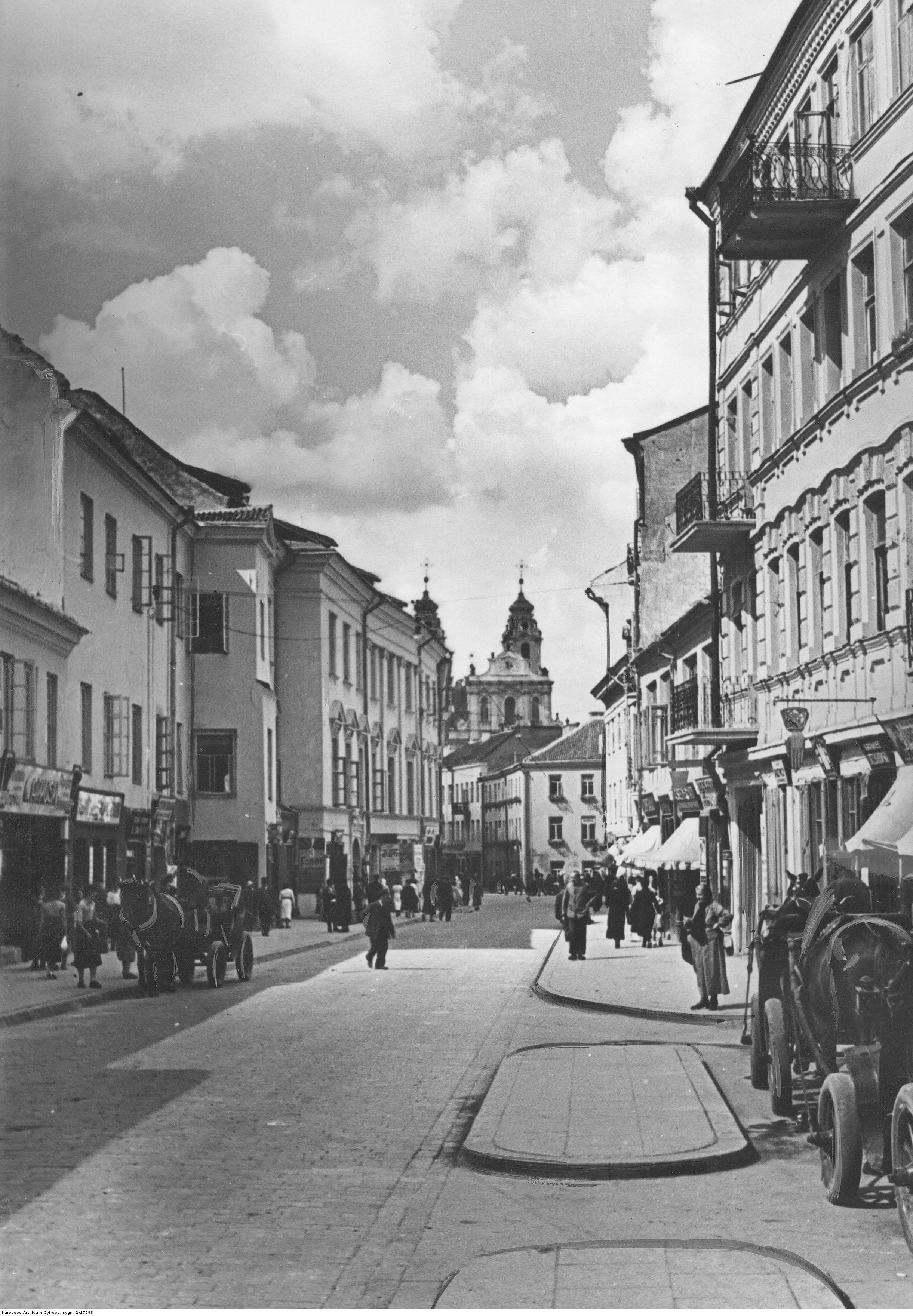
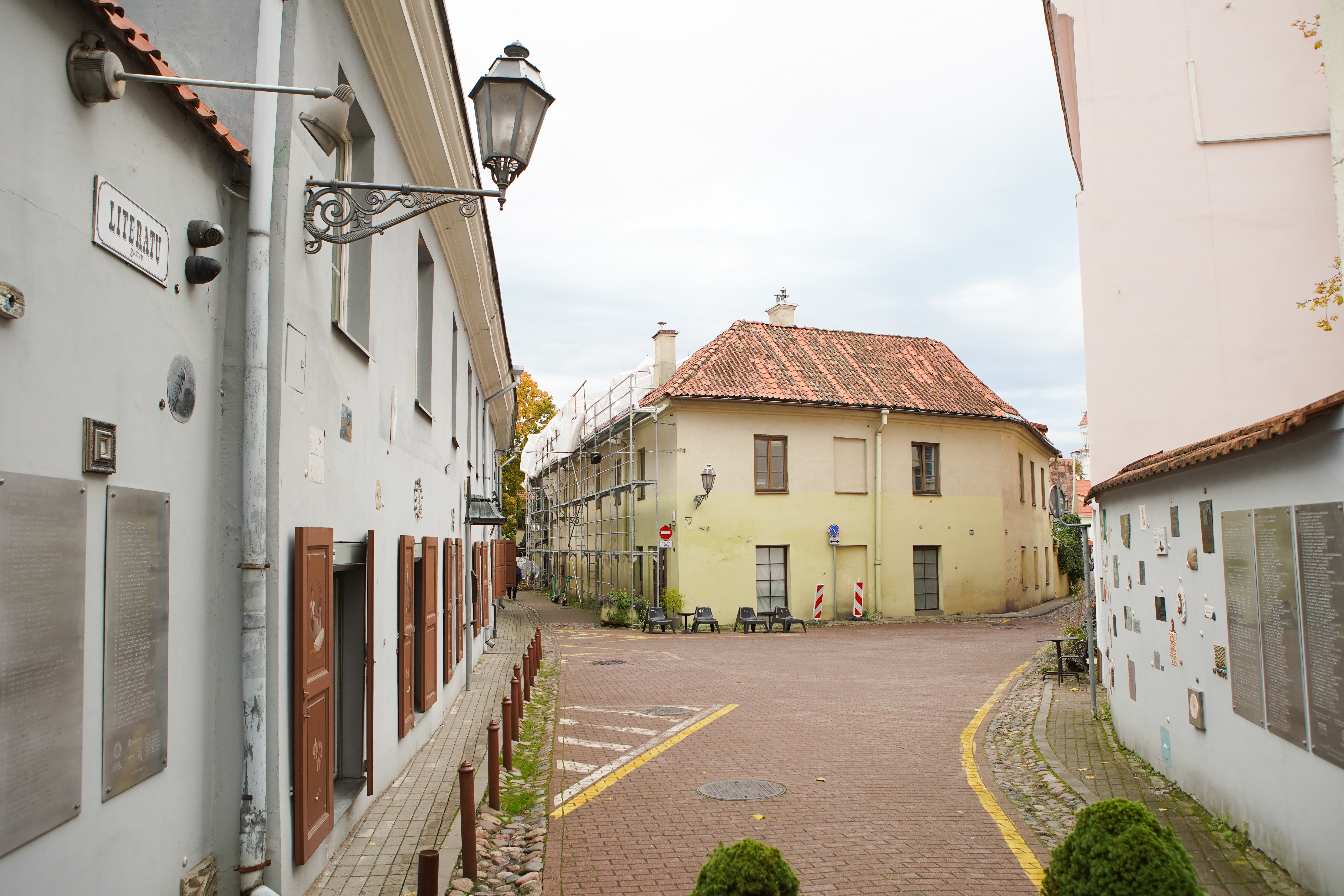
8. Vilniaus g.

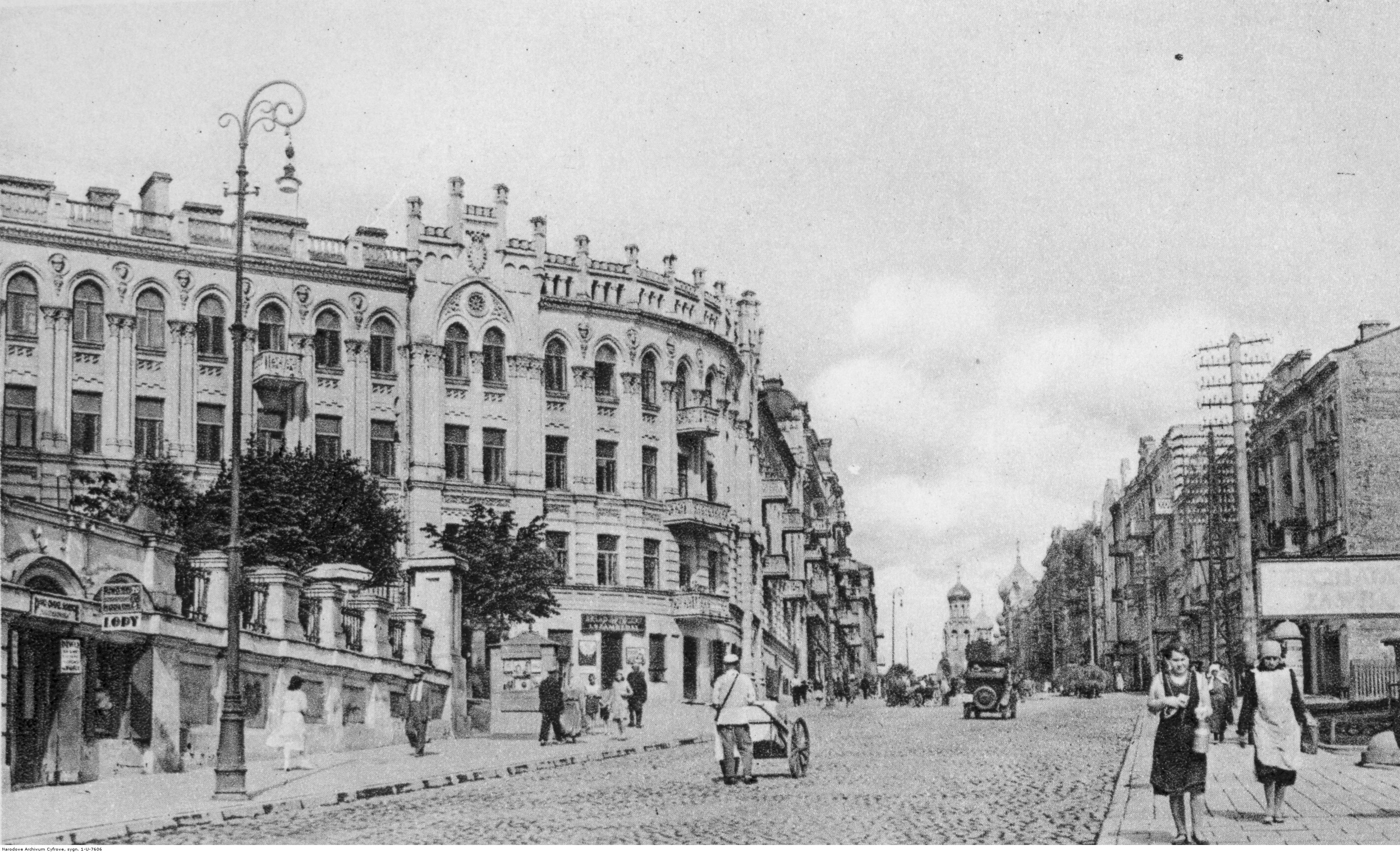
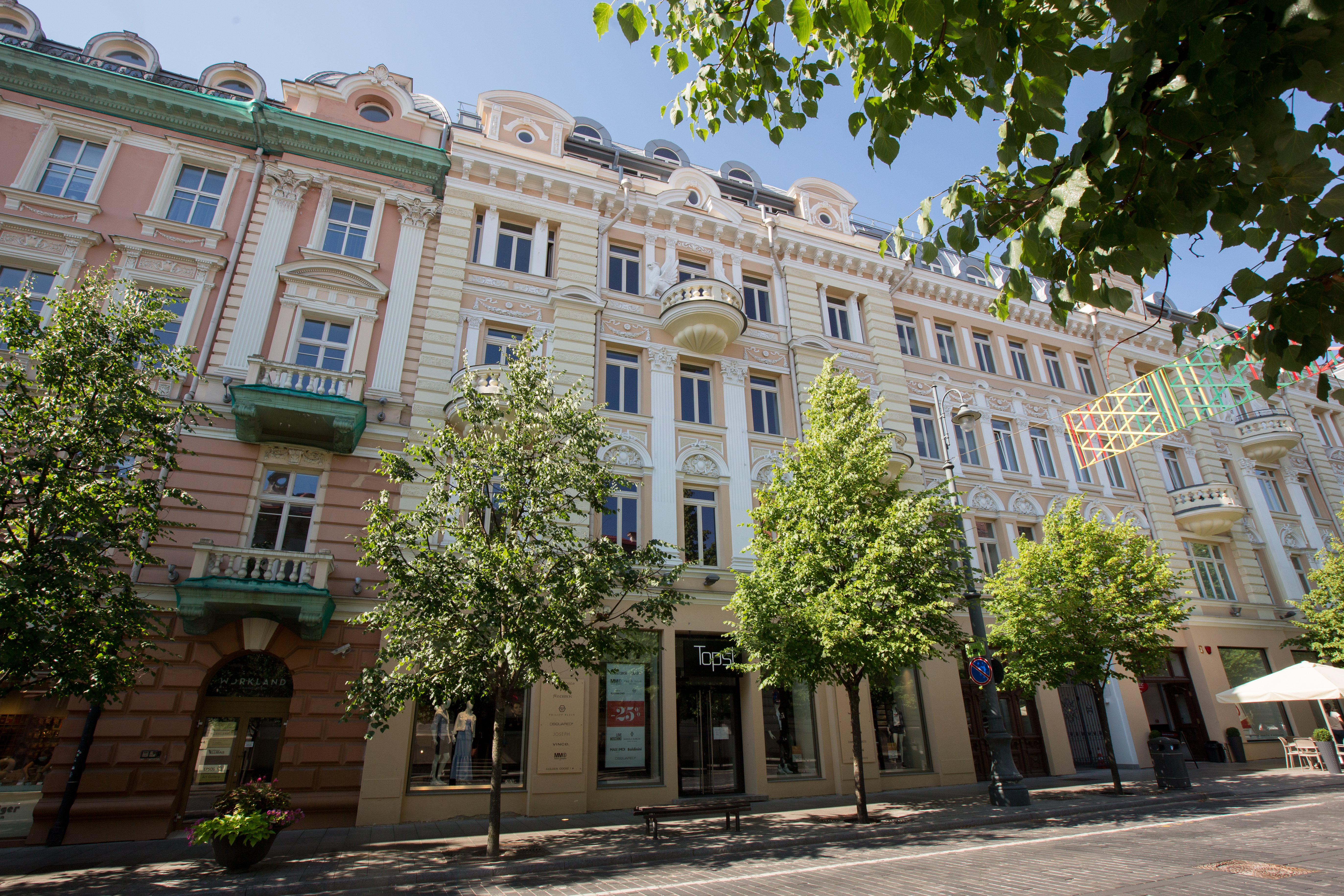
A street with a special name, heterogeneous, different every few steps, and at the same time,…

9. Liejyklos g.

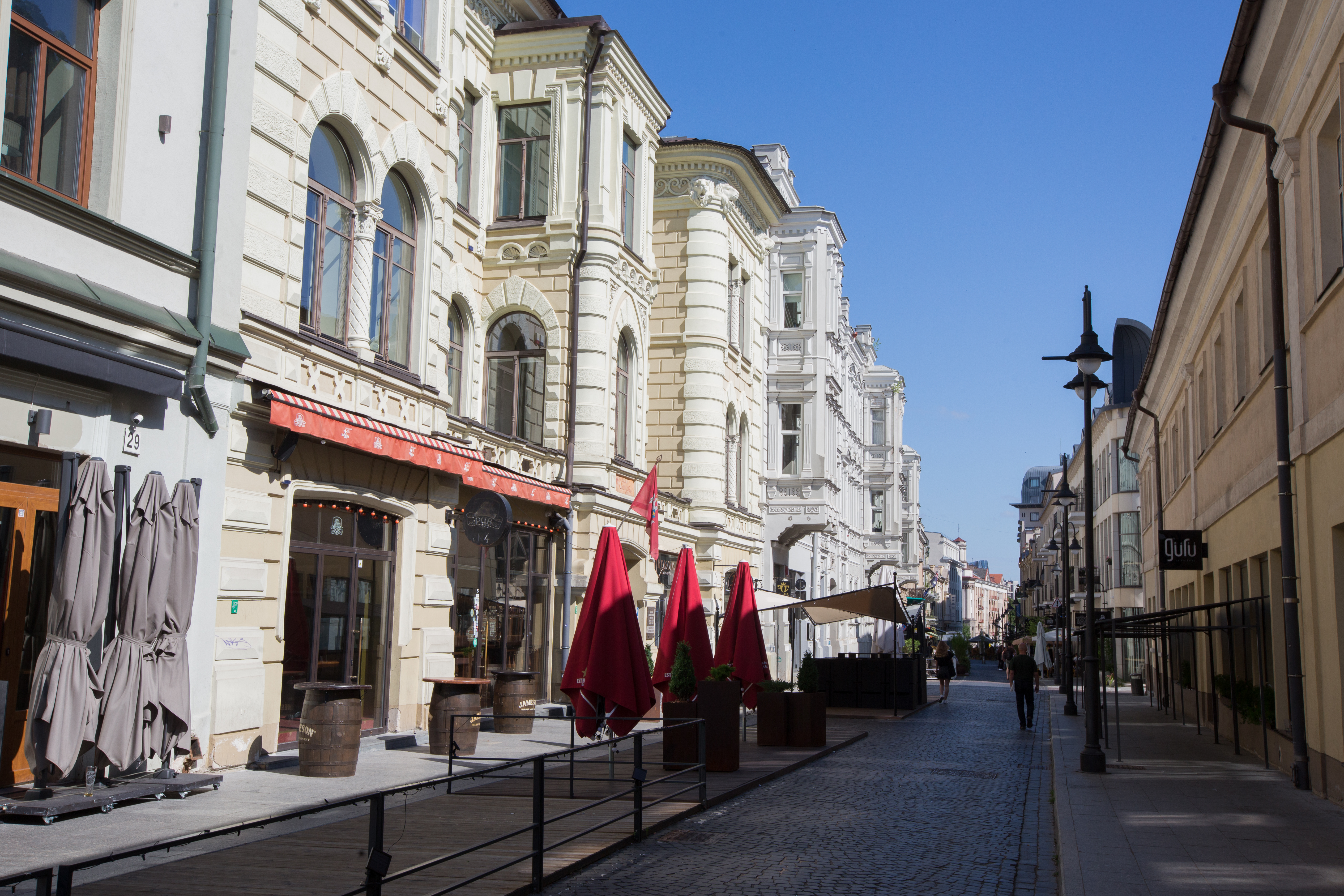
I came here many times, countless times over the years, because I almost always lived in a new part…

10. Vokiečių Street

Vokiečių Street in Vilnius was the street that was most similar to those found in big cities. I…

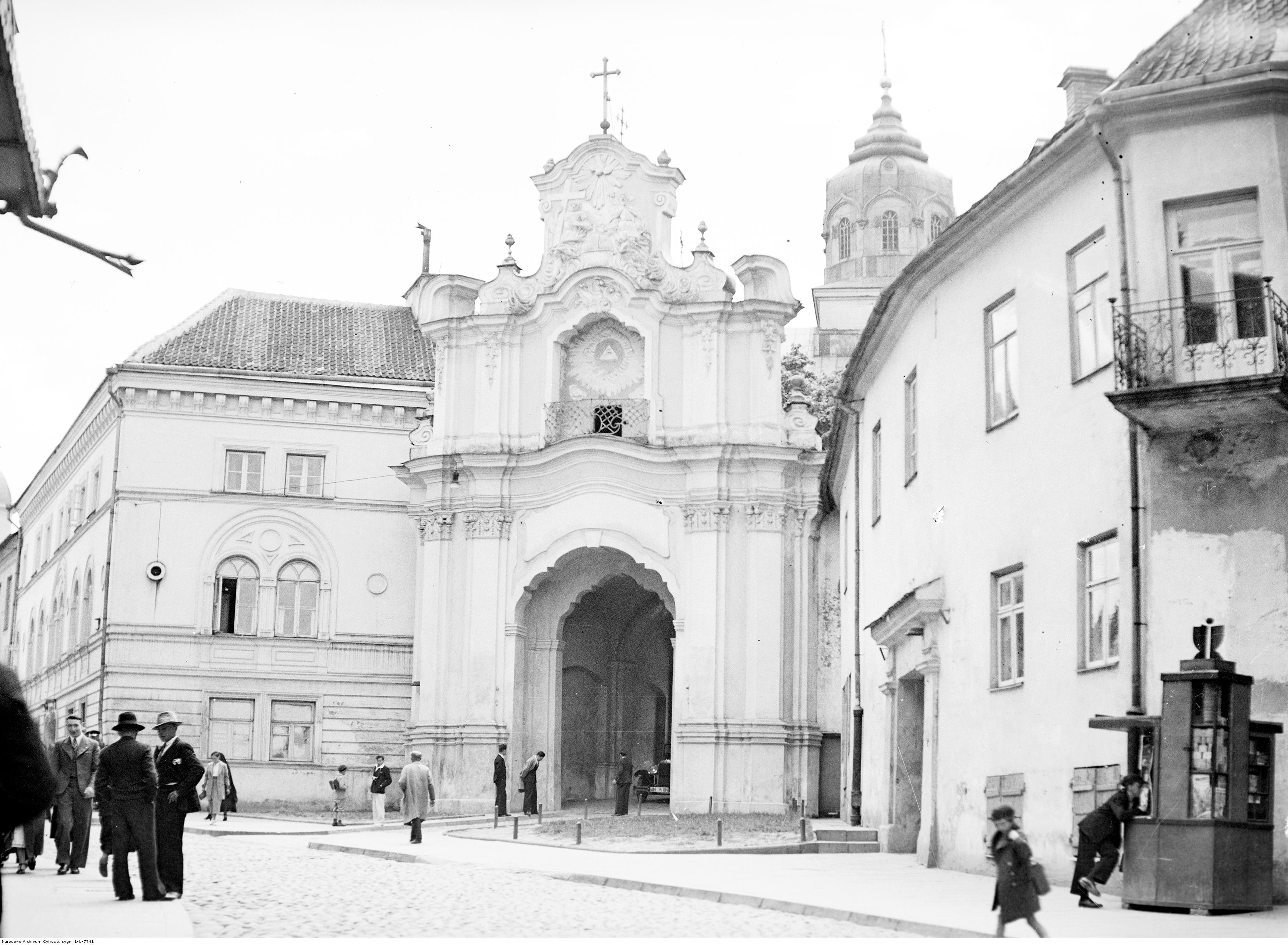
11. The ‘Conrad Cell’ in the Basilian Monastery, where literary soirées were held on Wednesdays

The Vilnius branch of the Polish Writers’ Union wasn’t located in just any old place – its premises…

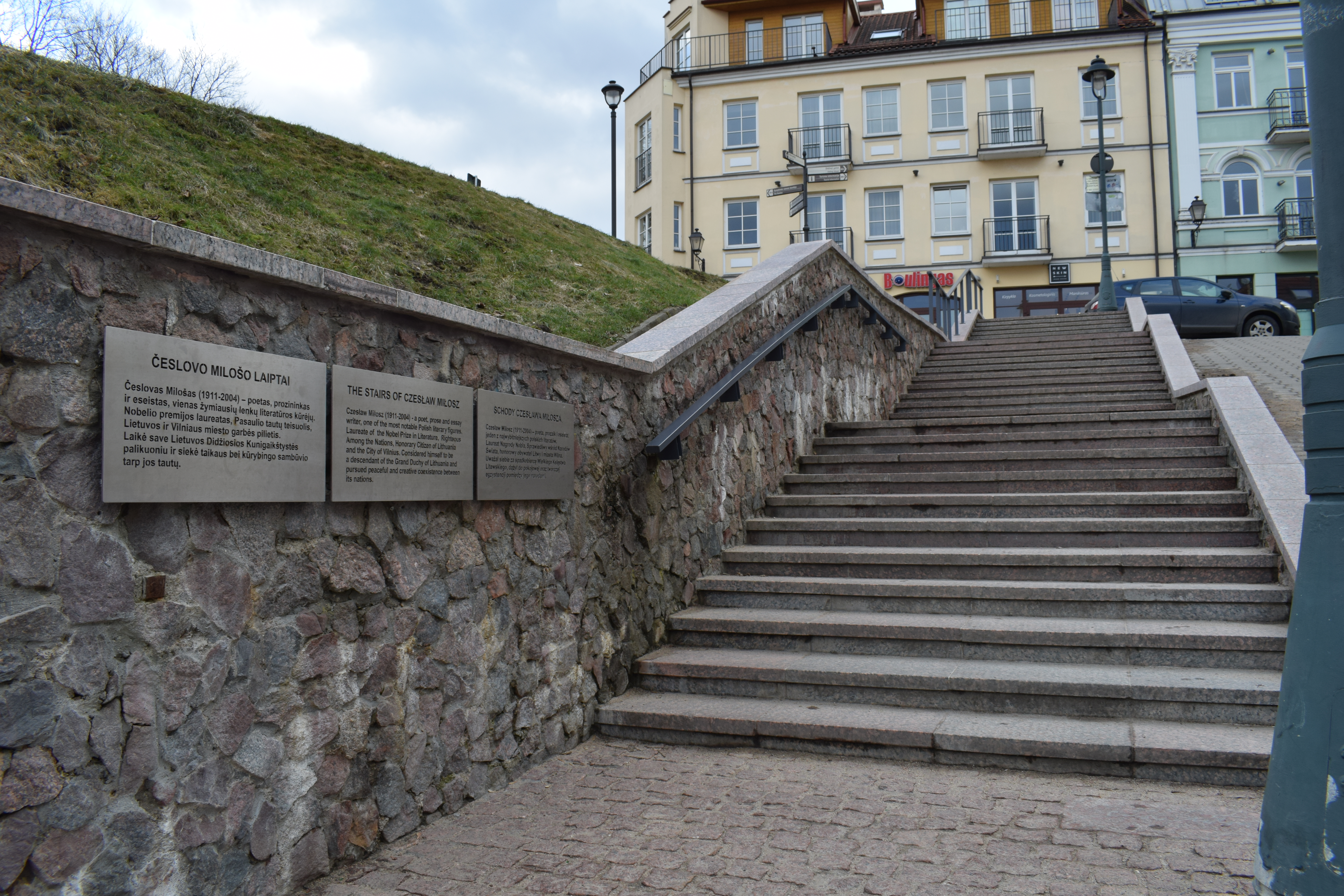
12. The Stairs of Czesław Miłosz

With a maid’s wicker basket and a prayer book, the mourning Barbara returns to Romeris house on…

13. Bokšto Street

Bokšto Street was a very old, dark, narrow street; horribly potholed and in some places no more…
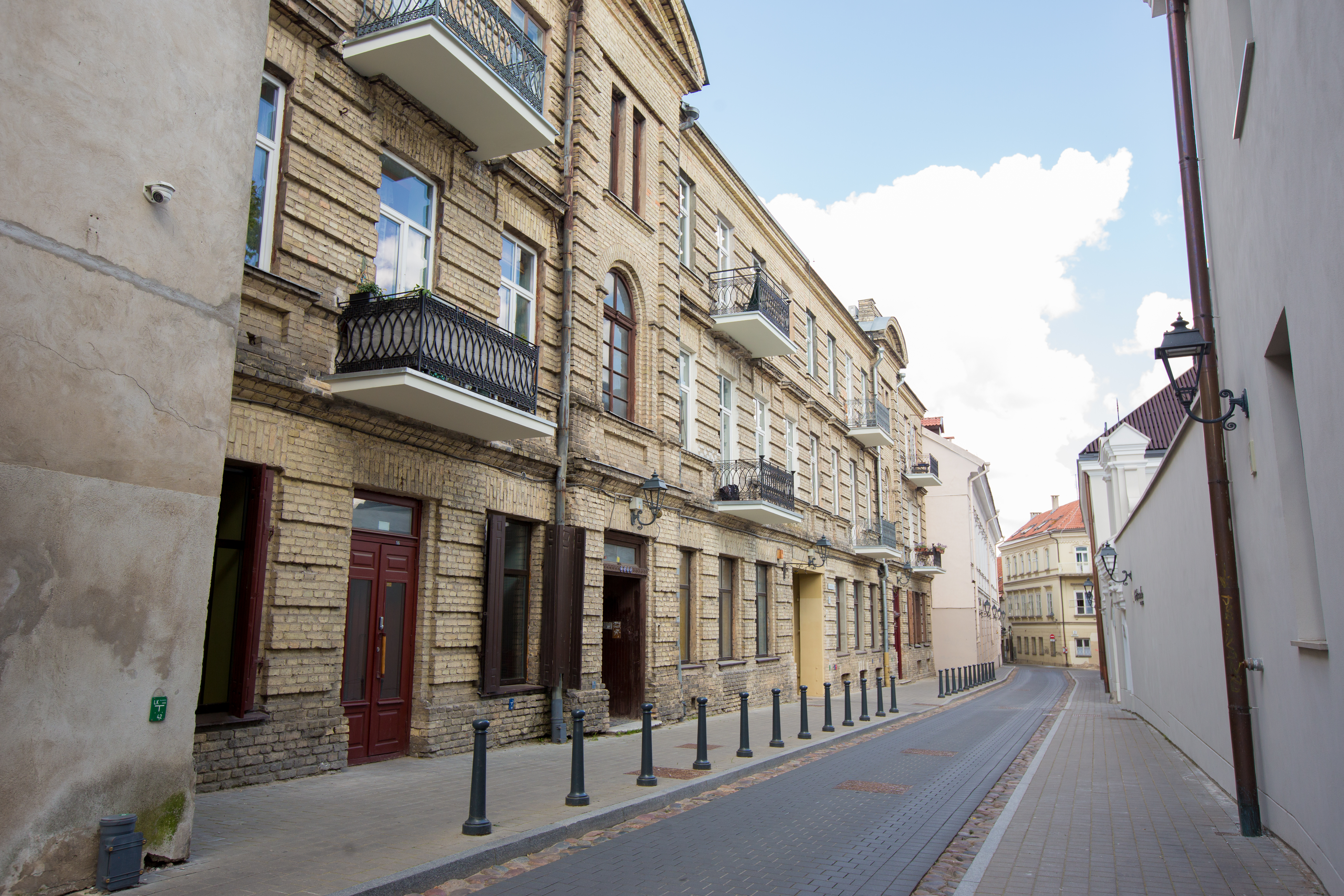
14. The house where Miłosz lived after graduating from university

I’m renting a room in a house with walls maybe two metres thick, in a narrow street paved with…

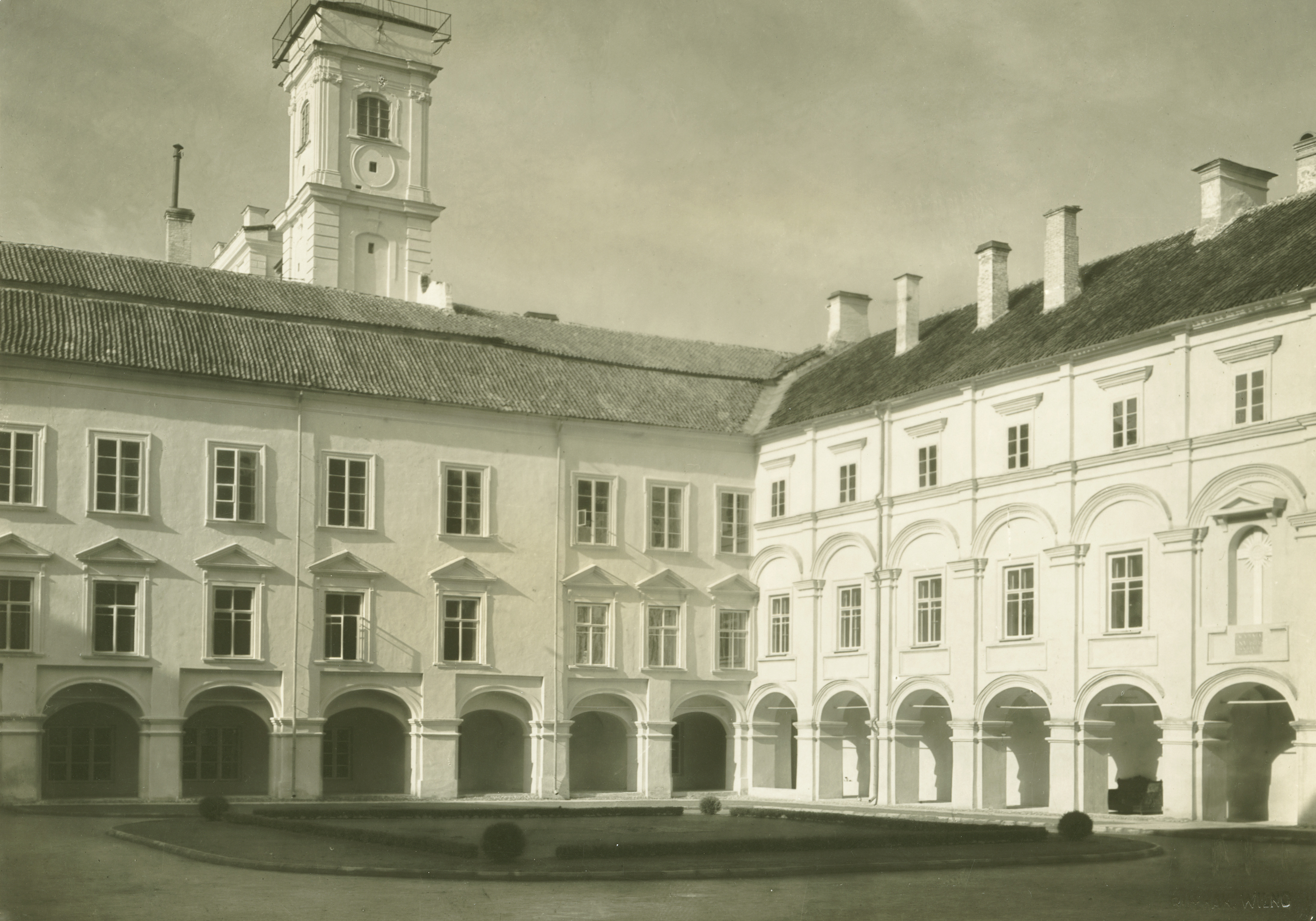
15. Stepono Batoro University (now Vilnius University)

In the autumn of 1929, I enrolled in Polish Studies at Stepono Batoro University and started…

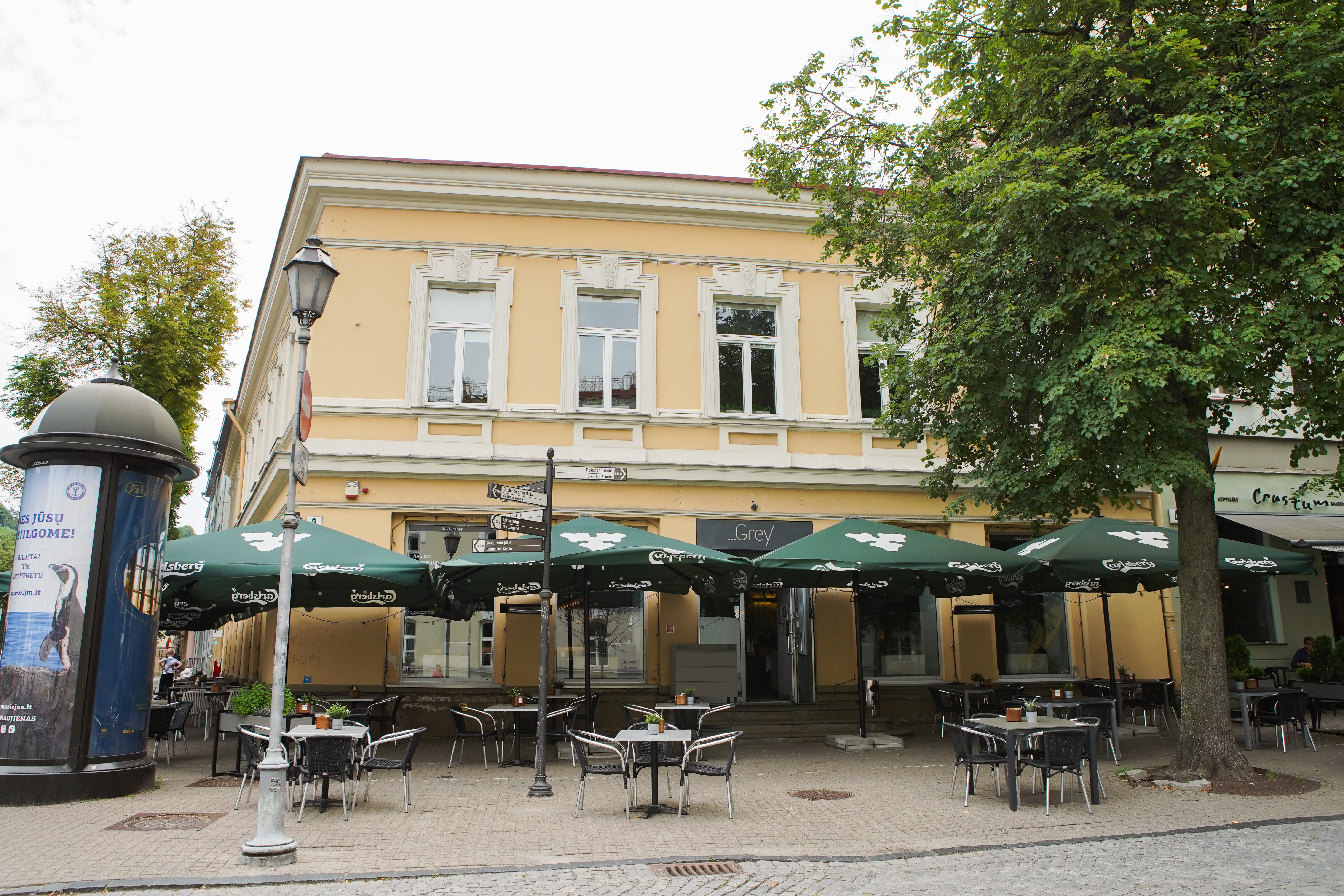
16. Editorial office of ‘Žagary’, a literary magazine (now ‘Grey’ restaurant)

We wanted our own publication. The editor Stanisław Mackiewicz hospitably suggested that we publish…

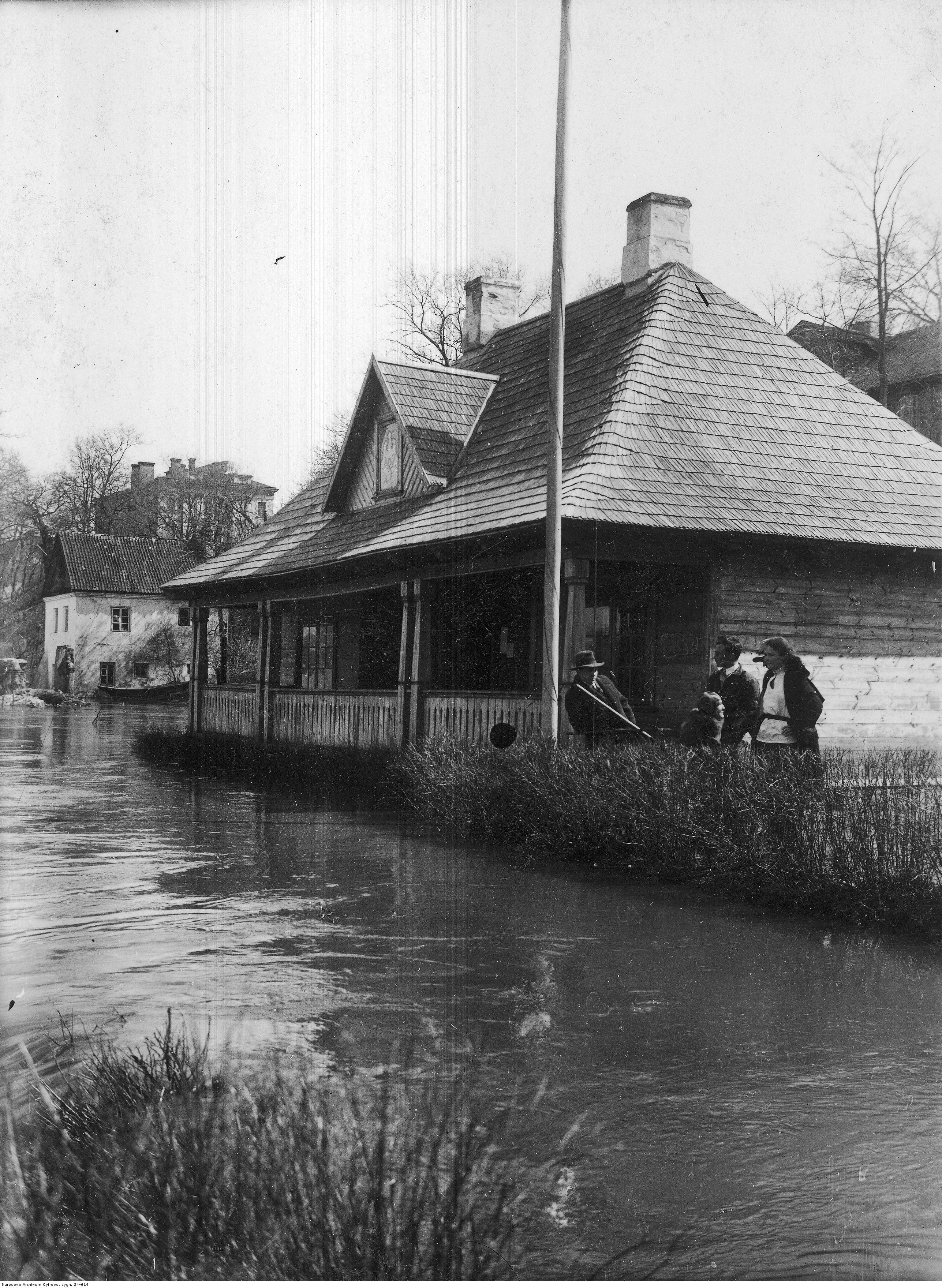
17. The confluence of the Neris and Vilnia rivers

There were kayaks in Vilnius – not so many, but there were some, which we particularly liked in the…

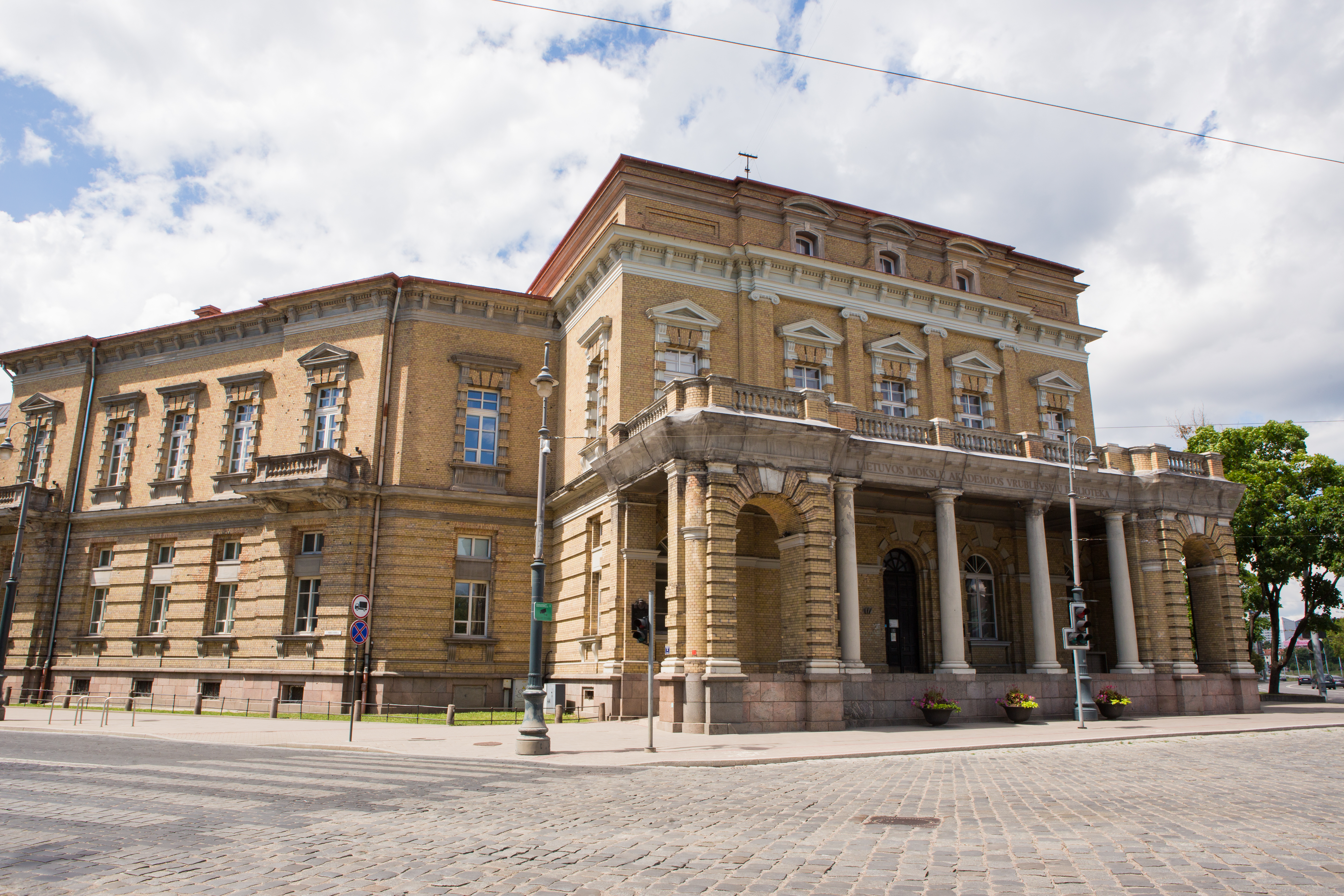
18. Eastern Europe Research Institute (now the Vrublevskių Library of the Lithuanian Academy of Sciences)

The Eastern Europe Science and Research Institute was founded in the 1930s as a three-year higher…
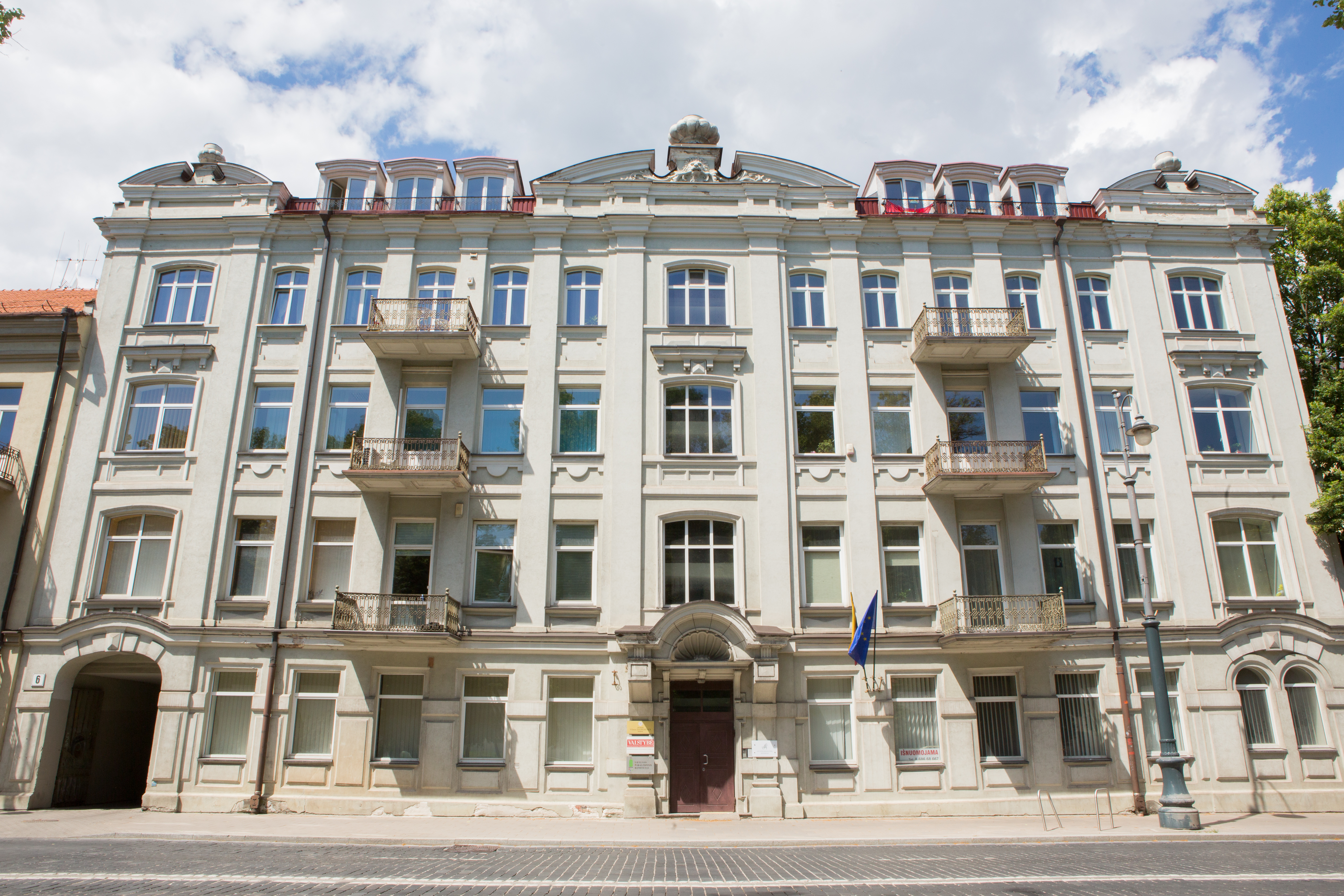
19. The house where Miłosz spent his last night in Vilnius (now an office and residential building)

I used to visit house No. 6 in the middle of Arsenalo Street all the time from my primary school…

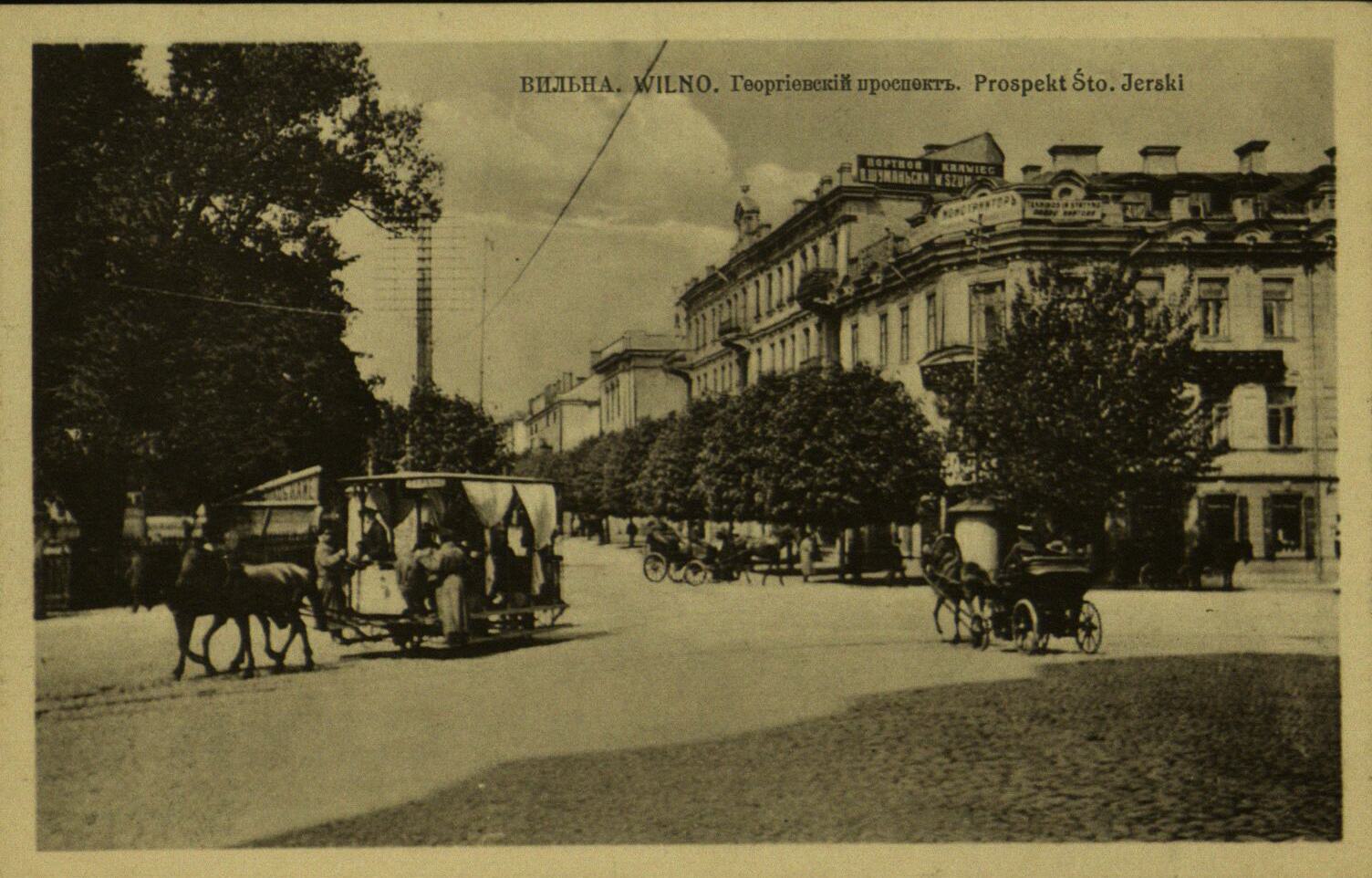
20. Rudnicki’s Café (now an office building)

The only headquarters of society was Rudnicki café on the corner of Mickevičius Street and…