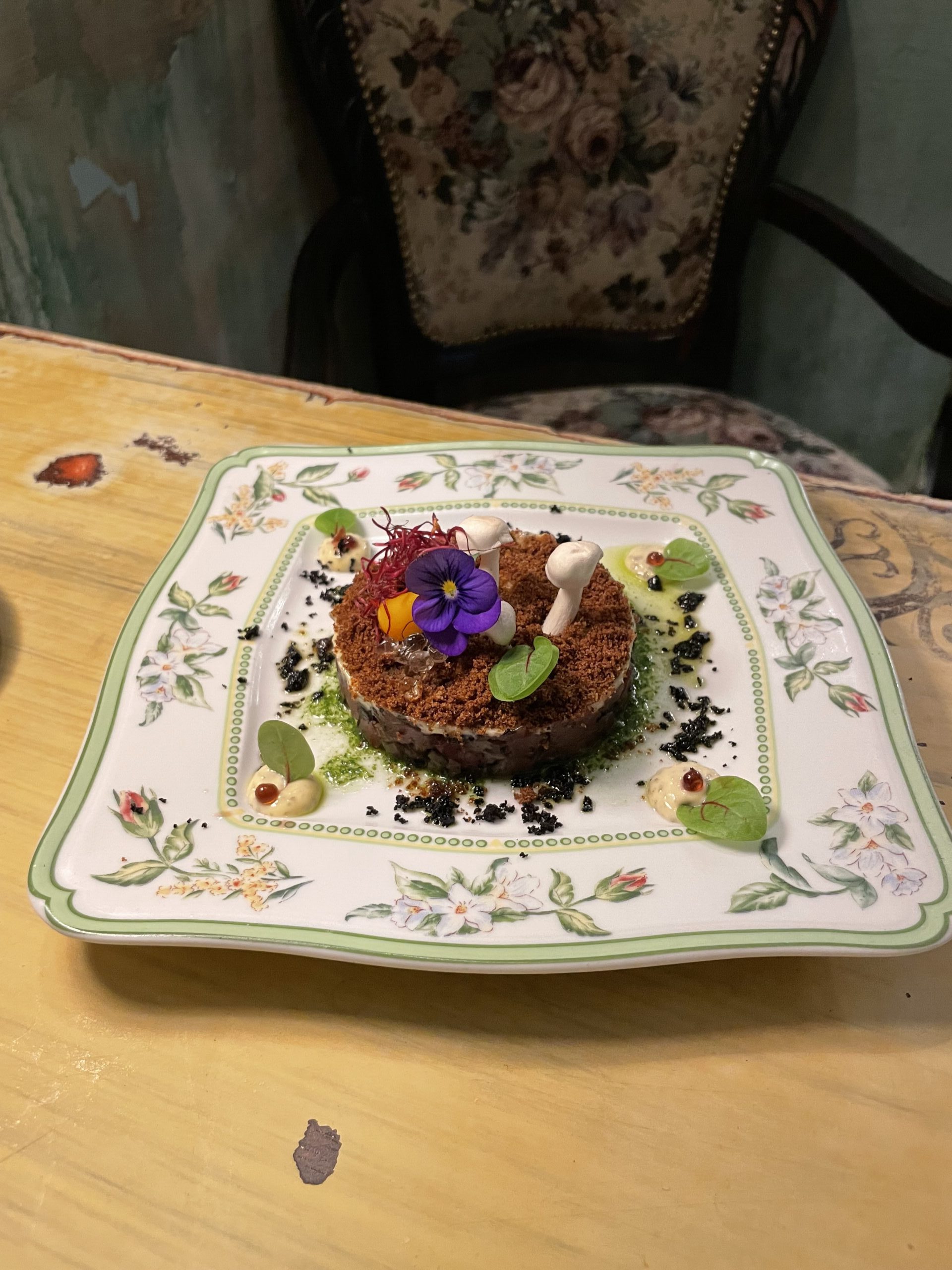
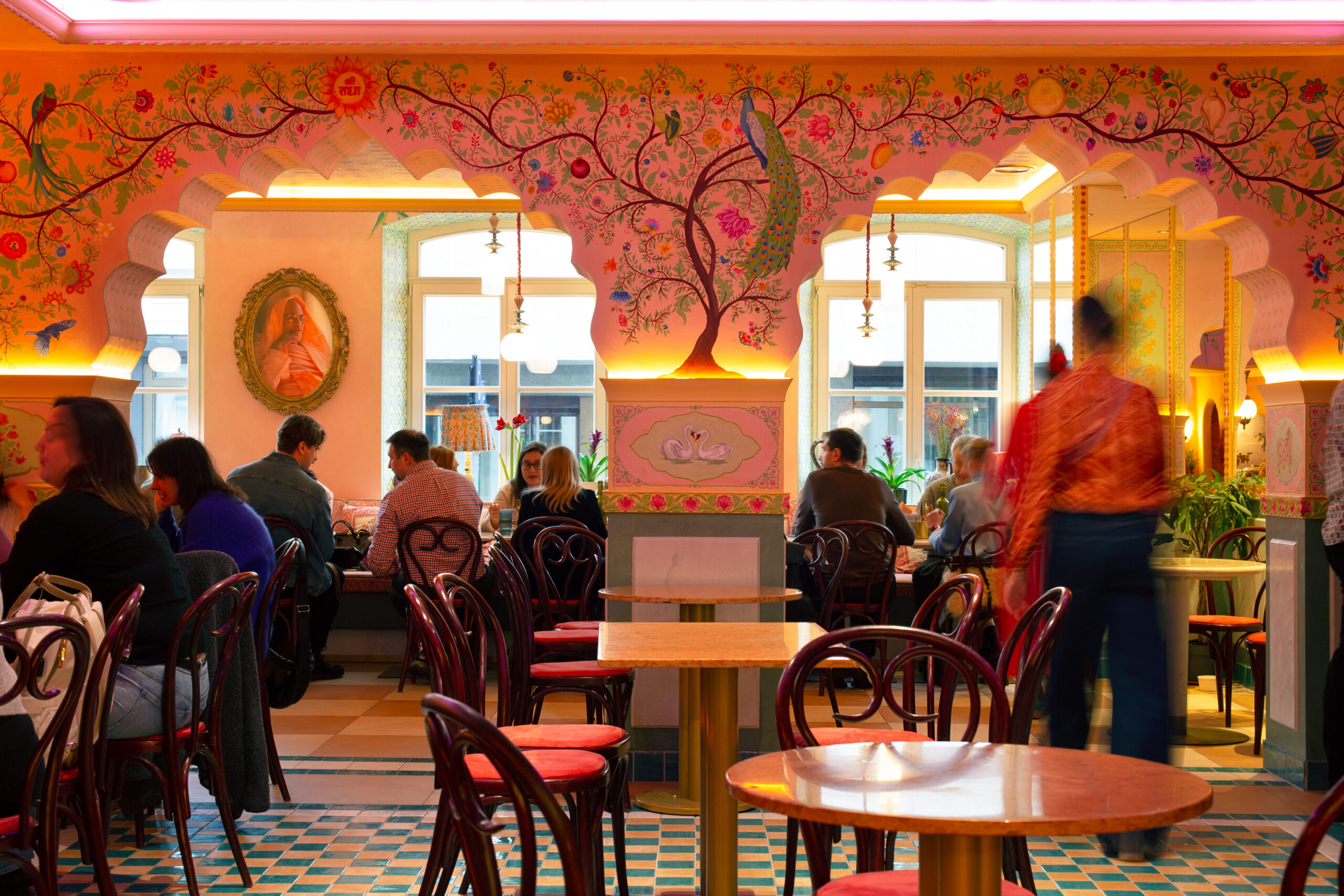
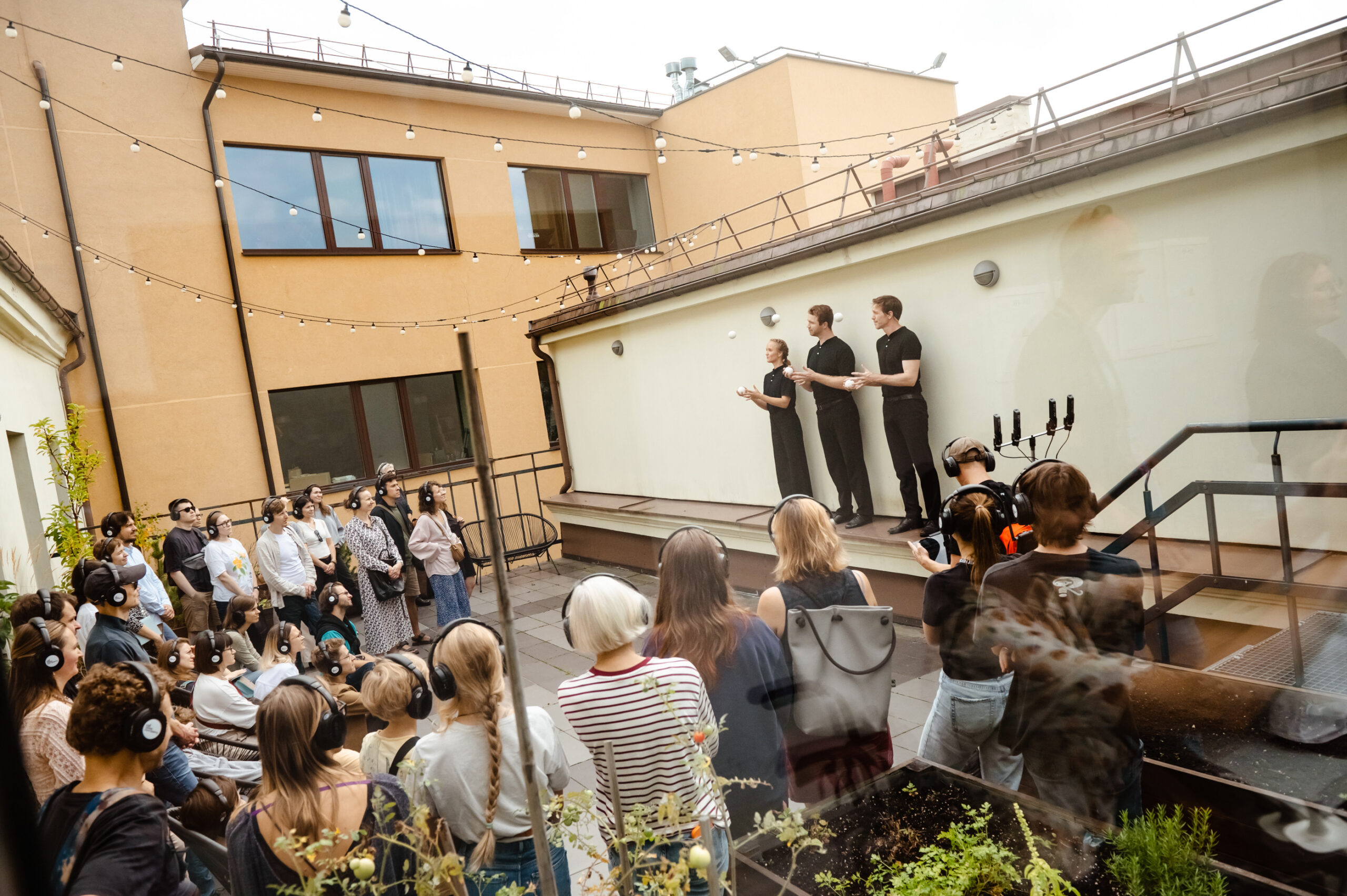
If you were at a feast of medieval dukes, you wouldn’t find most of the familiar vegetables on the table – you’d be greeted by mountains of meat, beer and mead. As there were 139 fast days per year, cooks had to be inventive.
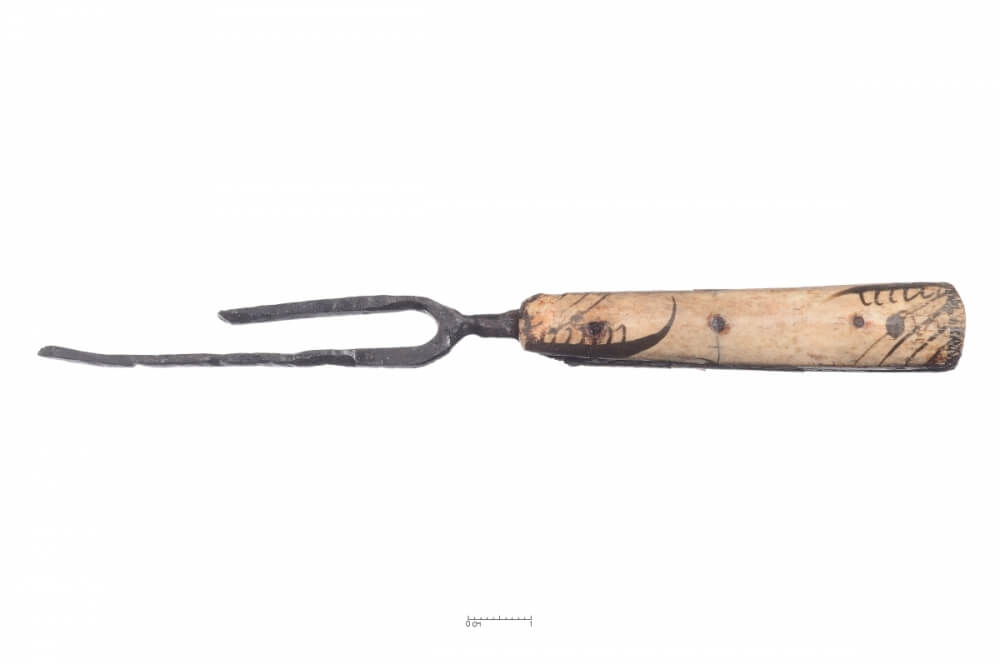
In the 16th century, as merchants flocked to the city and the Polish Queen and Grand Duchess of Lithuania, Bona Sforza, settled in the manor house, the kitchens were filled with new fashions, with new cutlery, Italian vegetables, and exotic dishes. Even the beetroot soup called ‘šaltibarščiai’ – the cold ‘pink’ beetroot soup so beloved by Lithuanians – tasted very different then. Stuffed peacocks and swans were less surprising in the estates than marzipan, elaborate dishes, and mountains of food. The feasts of the 16th century would surely be featured on lifestyle programmes and within the pages of glossy magazines today, but the most bizarre recipes are unlikely to be replicated by the chefs of our time. Incidentally, we might associate almond milk with modern hipsters but it had already been discovered by the nobles of the Grand Duchy of Lithuania during their fasting period.
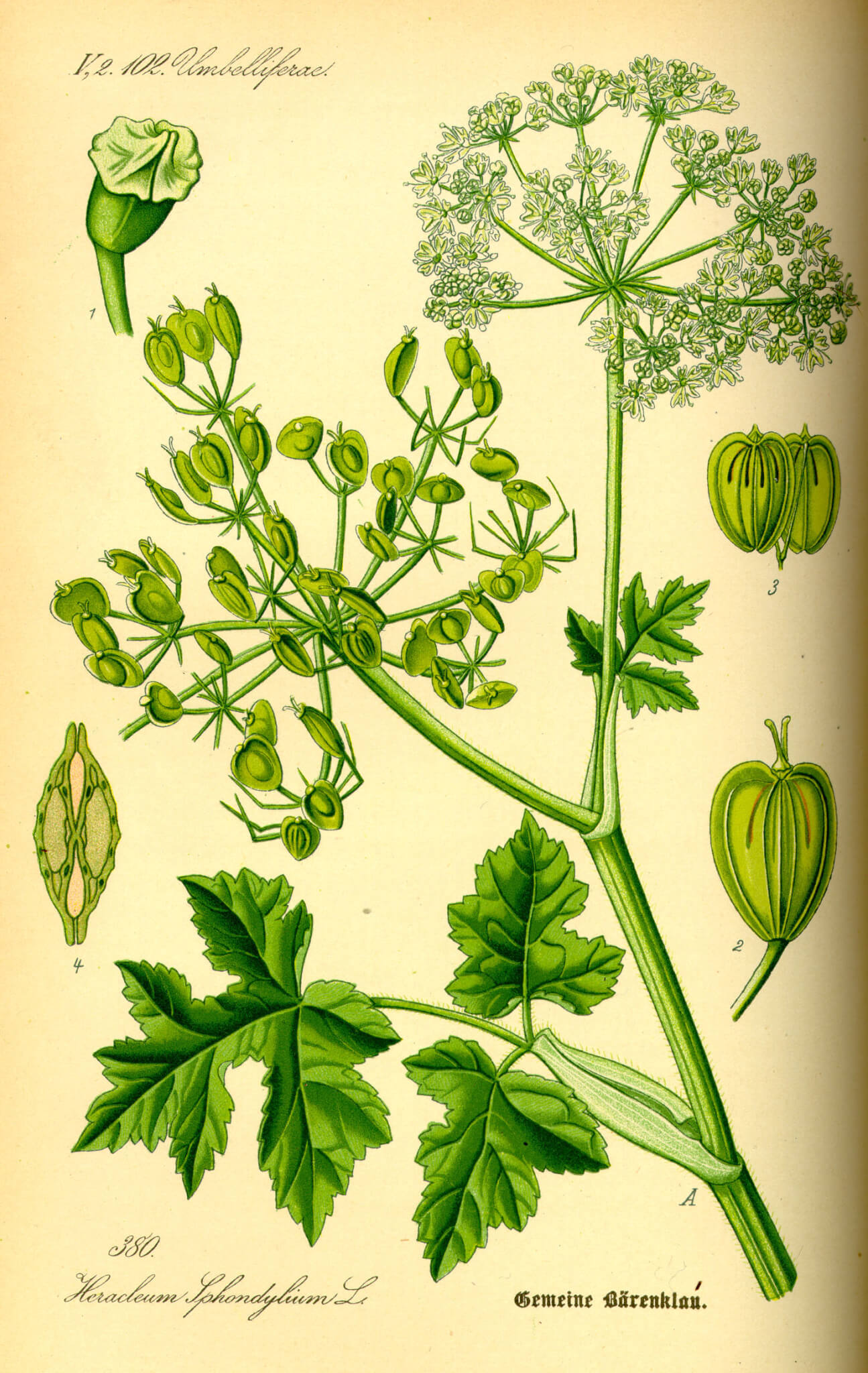
In the 16th century, Vilnius horticulture was completely different from what it is today – it was not only about growing beetroots in the garden. Would you believe that the area that today is considered to be the heart of Vilnius was like a garden of paradise, where you could walk among fig and orange trees, pick mulberries from the tree, and taste melons.
So take a gastronomic journey through the Vilnius of the Grand Duchy and see Lithuanian cuisine from a new angle.
What will you learn/see on the route?
- What exotic fruits grew in the Radziwiłł family’s garden?
- Where was Bona Sforza’s favourite sweet delight – marzipan – sold?
- Which sweets were traditionally given to the fiancée at a wedding?