Neakivaizdinis Vilnius Neakivaizdinis Vilnius
Vilnius Districts studies

Šnipiškės

Vilnius Shanghai, Favela... And, of course, the very colourful backdrop for the skyscrapers of Konstitucijos Avenue

Šnipiškės is a historic suburb of Vilnius; for centuries, it used to be the only densely populated place on the right bank of the Neris.

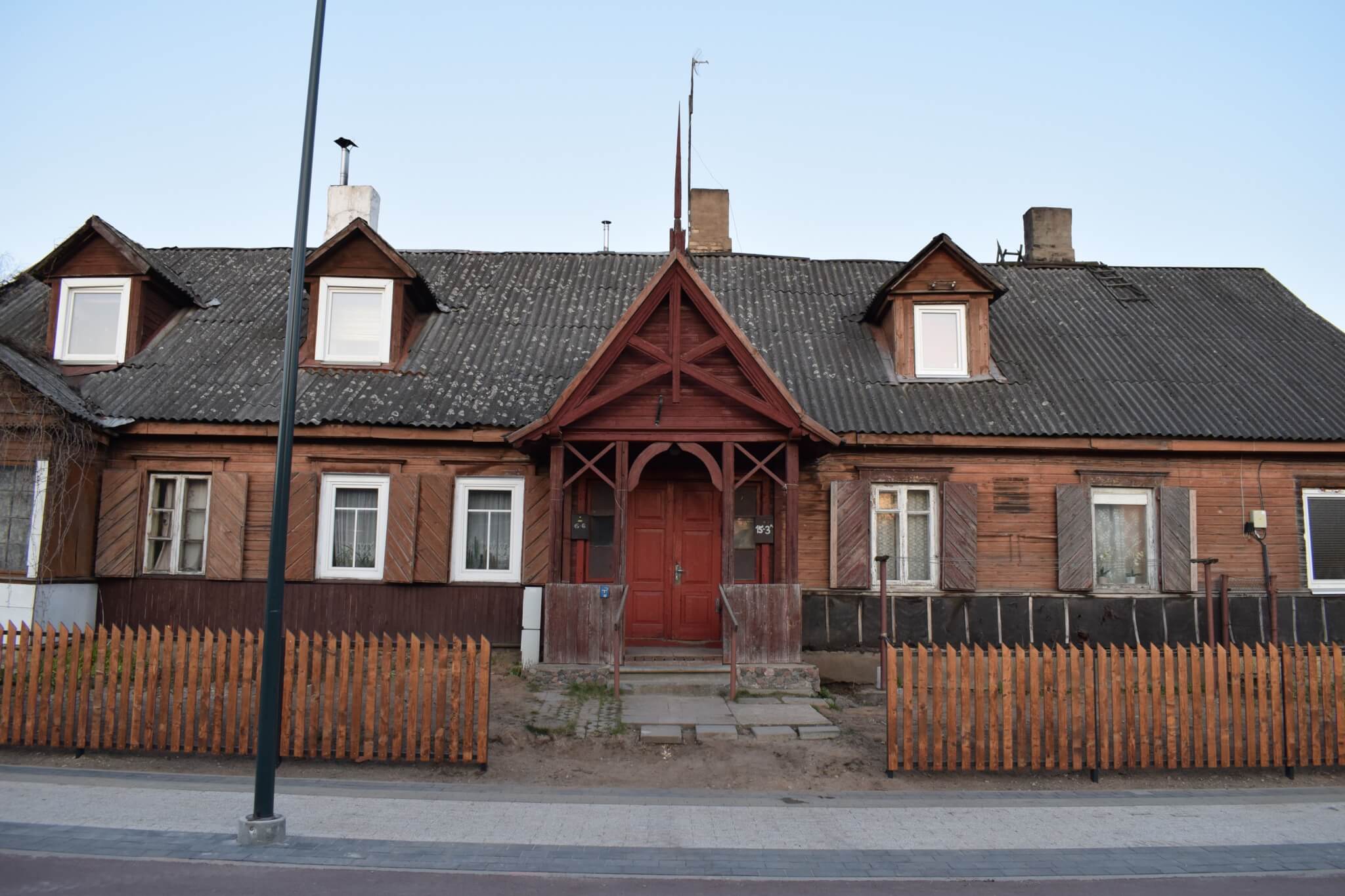
The impetus for the growth of Šnipiškės was the construction of the first bridge over the Neris in the first half of the 16th century, which led to an important road to Ukmergė and Riga, and, a little bit later, to another branch leading to Verkiai. Between these two streets – today’s Šnipiškių and Kalvarijų – the suburban core was formed. The place got its name from the surname of Povilas Šnipka, who had a manor near Ukmergės Street at the end of the 16th century. The suburb eventually became famous for its brick buildings, and the clay-rich soil provided the building material for many of the brick buildings of old Vilnius that still stand today. Today, this part of the city is characterised by stark contrasts, with glass towers rising up from the wooden shacks and the daily juxtaposition of slow and fast paces of life.

What you’ll learn/see on the route:

  • What is special about the post-war block of individual houses in Šnipiškės?
  • Where did the names Piromont and Skansen come from?
  • Where did the early numbering of the buildings on Ukmergės Street disappear?
Start location

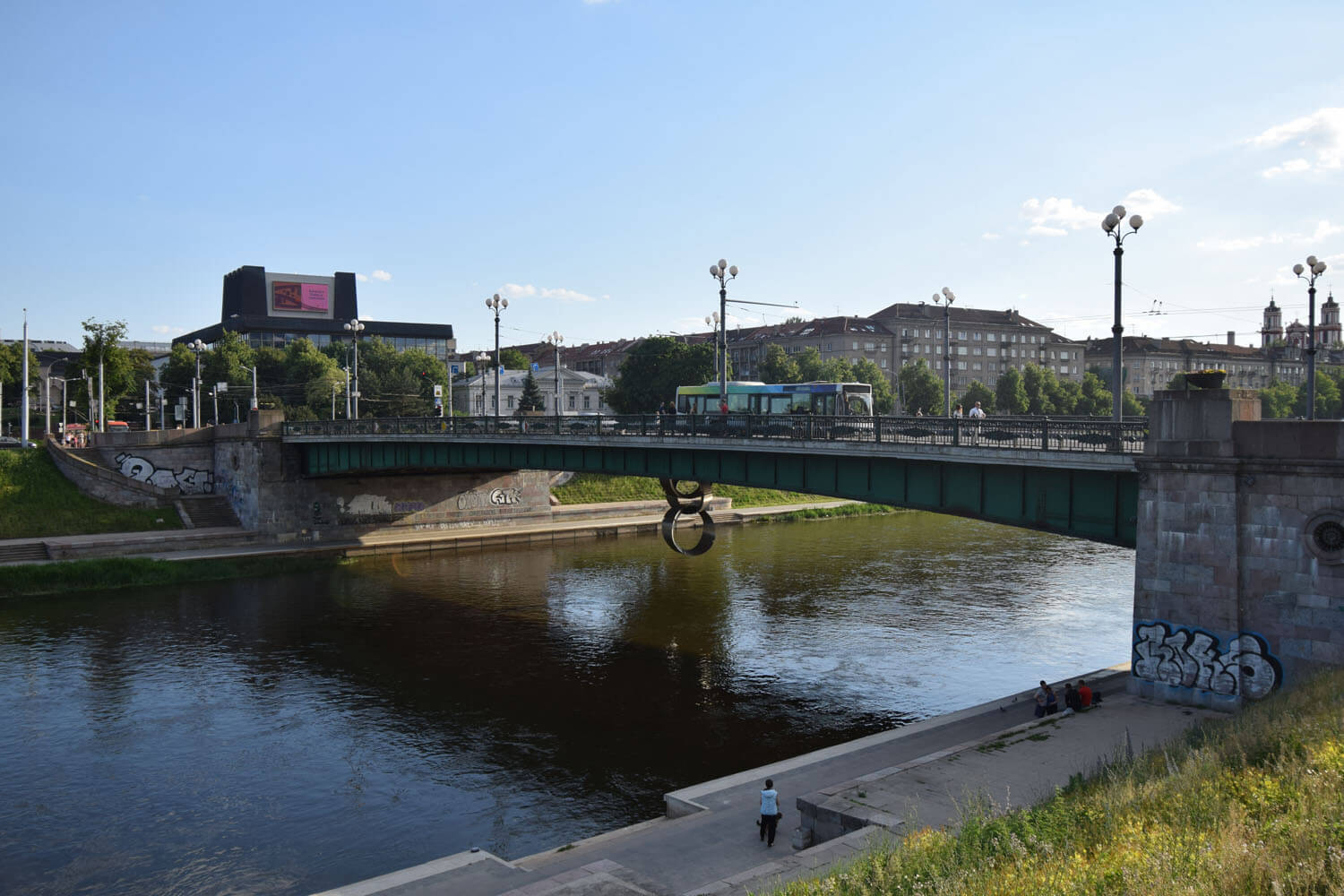
Žaliasis tiltas (The Green Bridge)

Duration
1.45 h Without going inside 3 h 45 min. With going inside
Distance
5,50 km
Means of travel
Pėsčiomis
Terrain
Lengvas
Pet friendly
Additional information
  • Suitable for disabled people in wheelchairs and parents with children in pushchairs – the terrain is flat, and the pavements are in good condition.
  • Suitable for pets, except for indoor attractions.

Route compiled by ‘Gatvės gyvos’; photos by ‘Gatvės gyvos’, Vytautė Ribokaitė

1. The Green Bridge

Following the historical logic, the best place to start a tour of Šnipiškės is the Green Bridge.…

2. The Raduszkiewicz Palace

In the 19th century, a well-known person in Vilnius who was a member of the City Council, the…

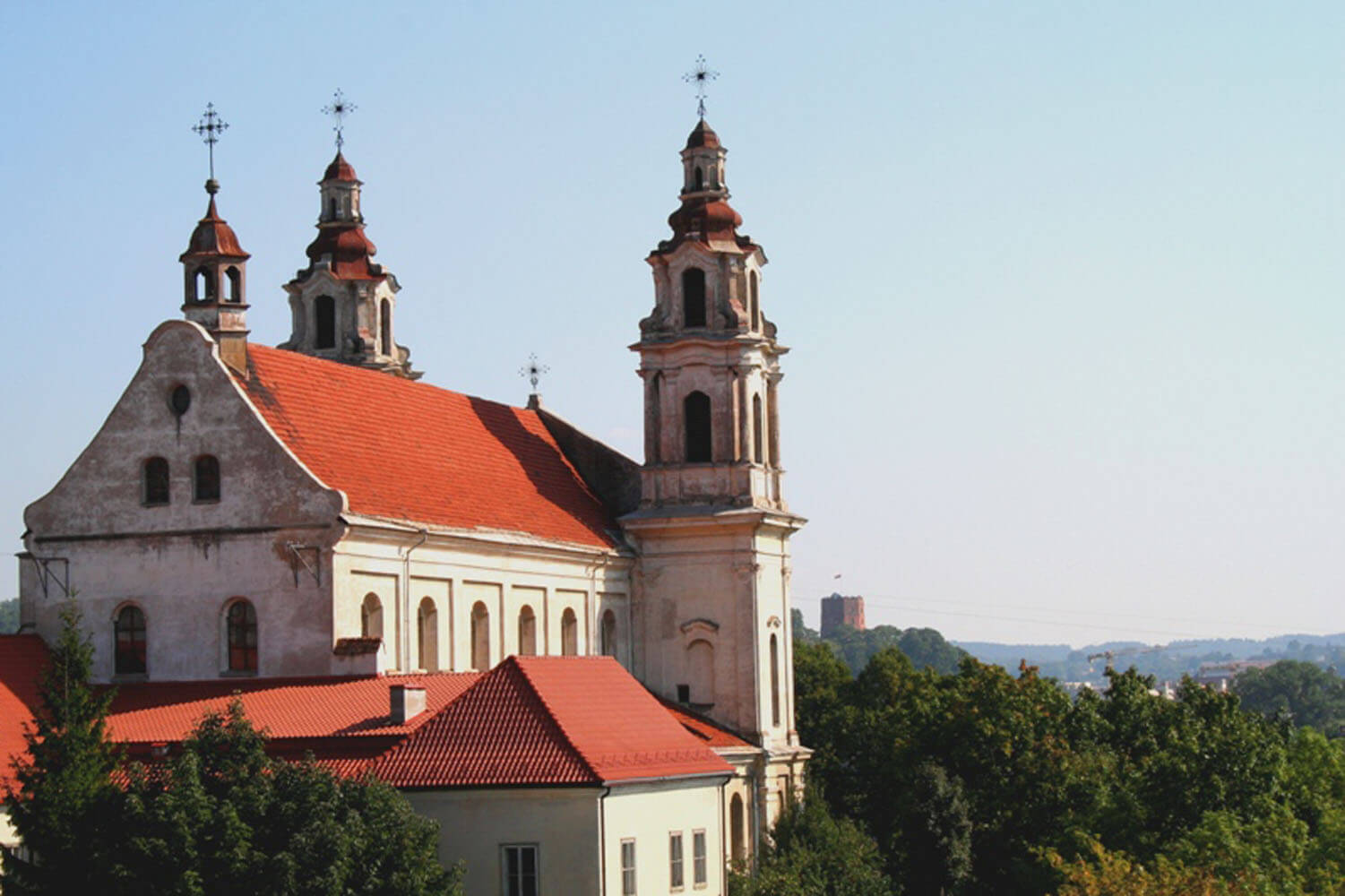
3. The Church of St. Rapolas

The current Šnipiškių Street is the historical beginning of Ukmergės Street – the road along which…

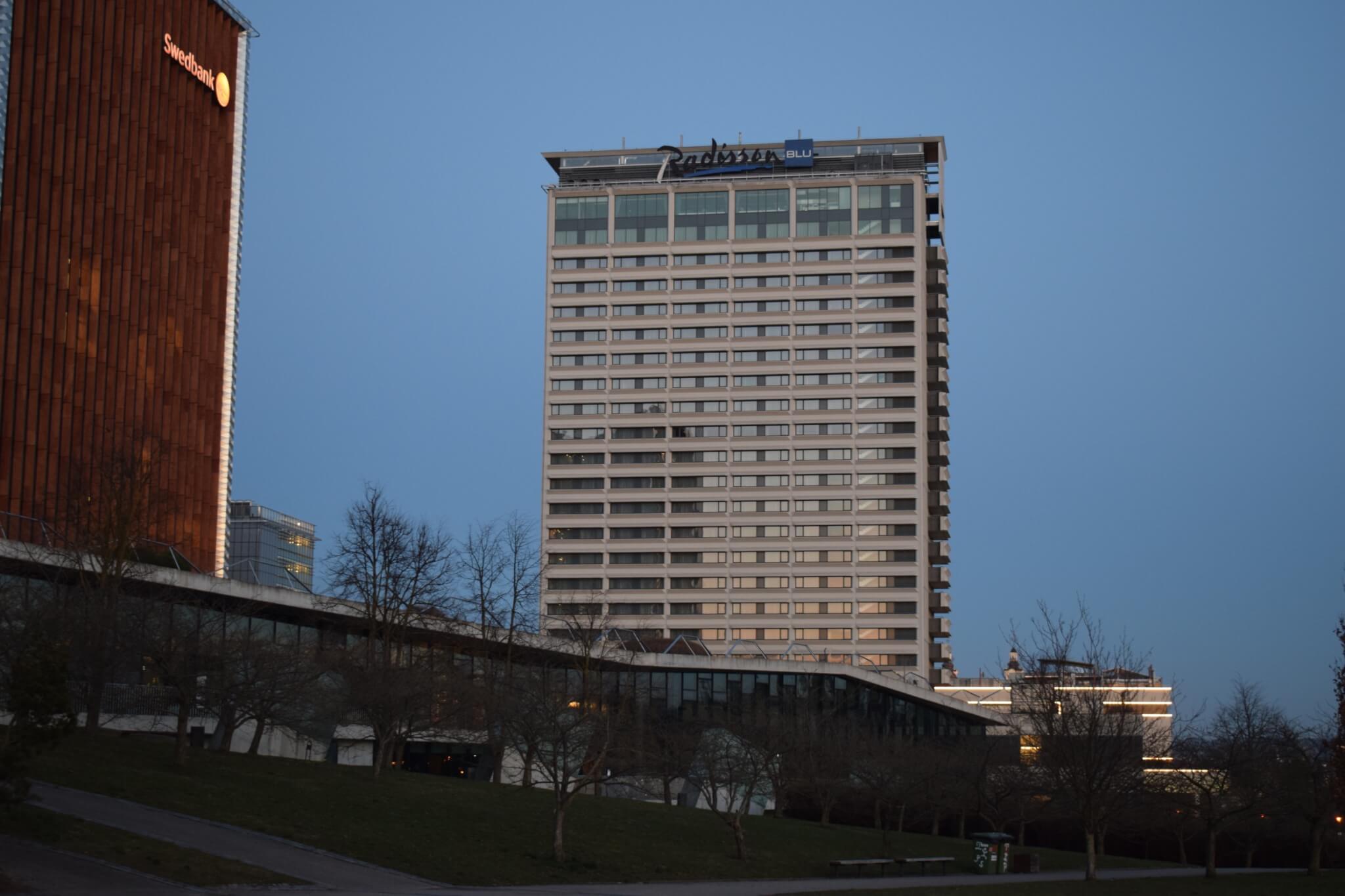
4. The new city centre

A couple of decades after the Second World War, the Vilnius authorities set about creating a vision…

5. The National Art Gallery

In 1968, architects G. Baravykas and V. Vielius designed the museum building according to the…

6. The Masonry District

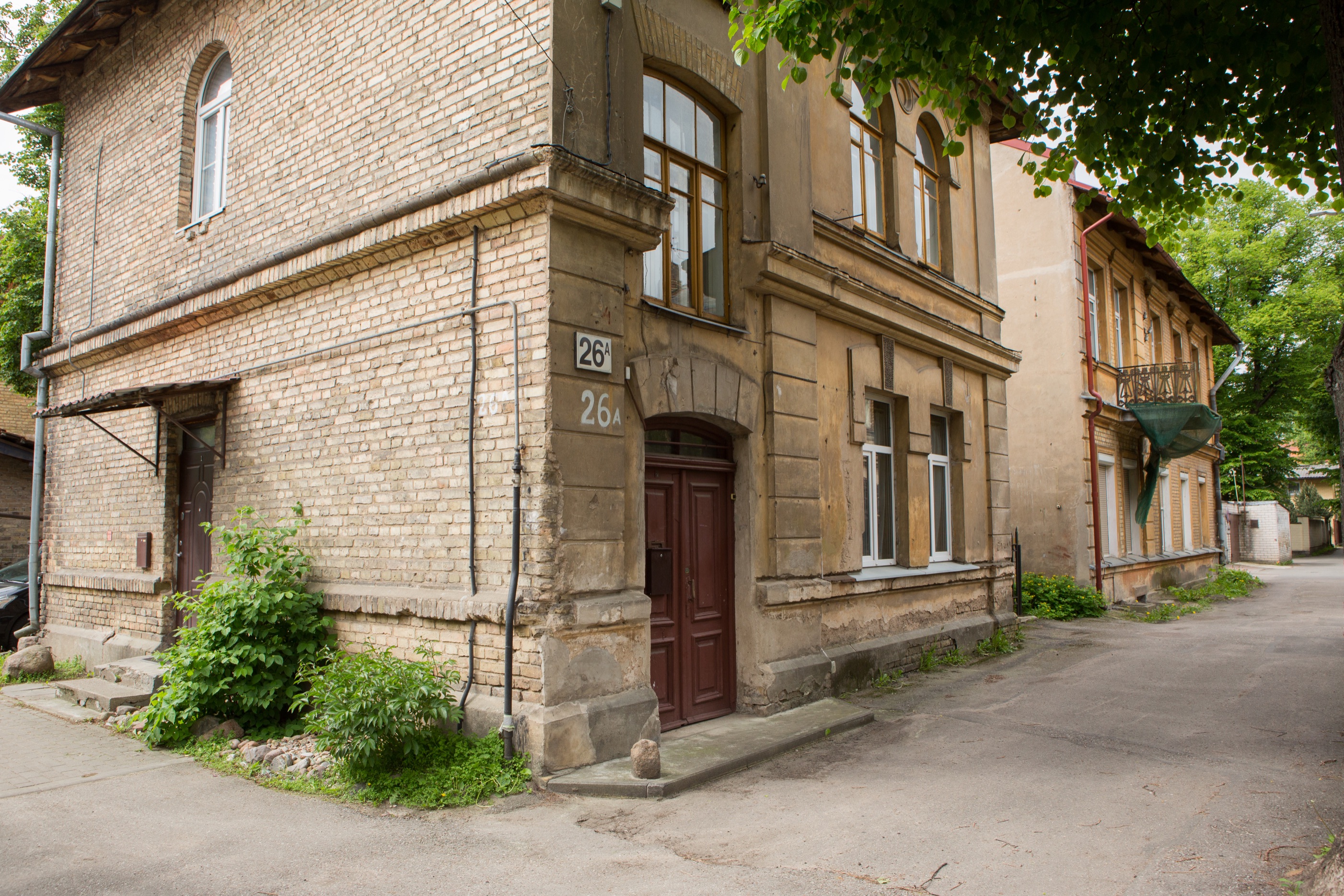
Behind Žalgirio Street, there is a large area, much less known than the wooden part of Šnipiškės.…

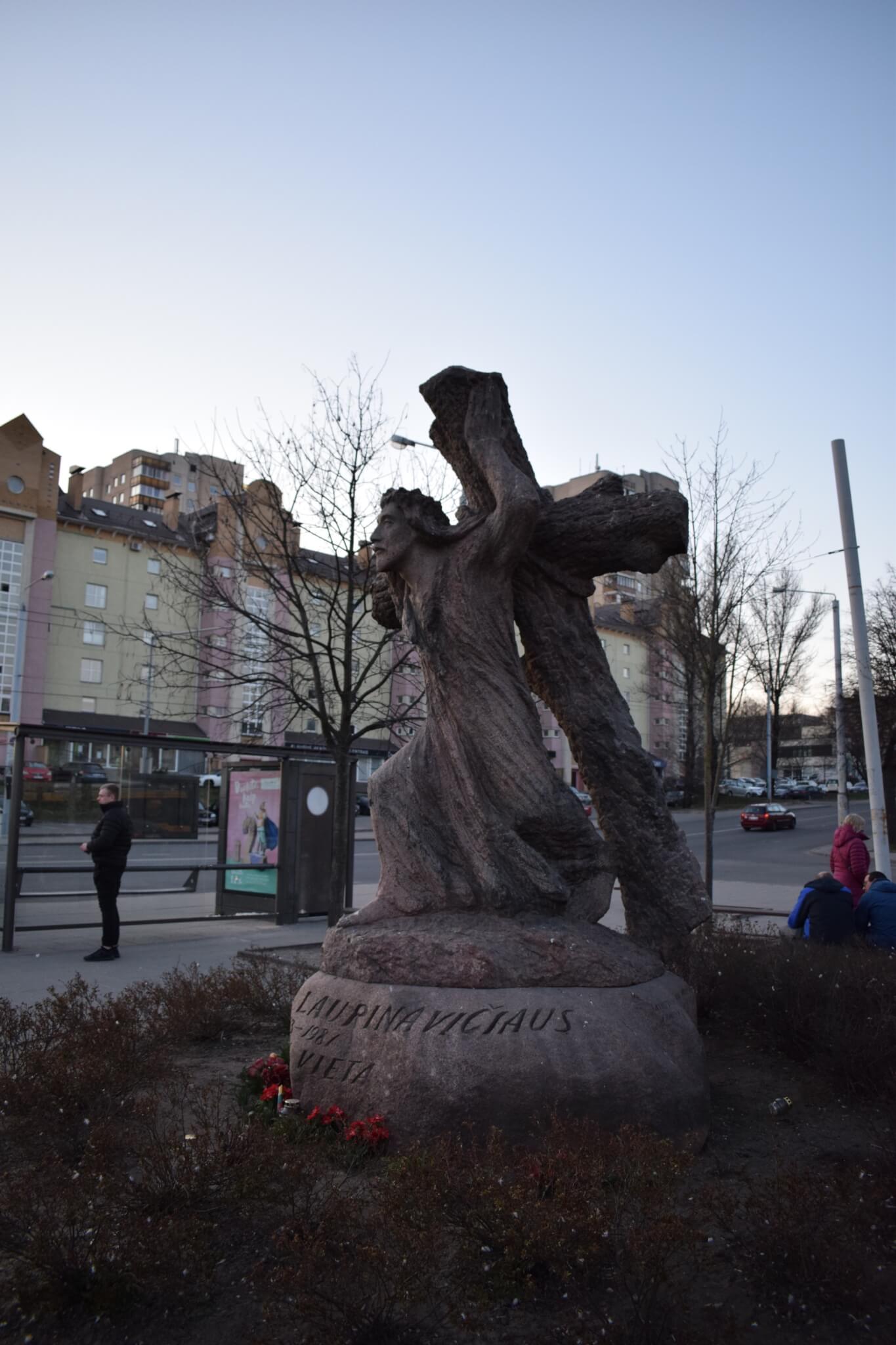
7. Broniaus Laurinavičiaus Square

This square was formed in the past at a rather important fork of Kalvarijų and Verkių Streets.…

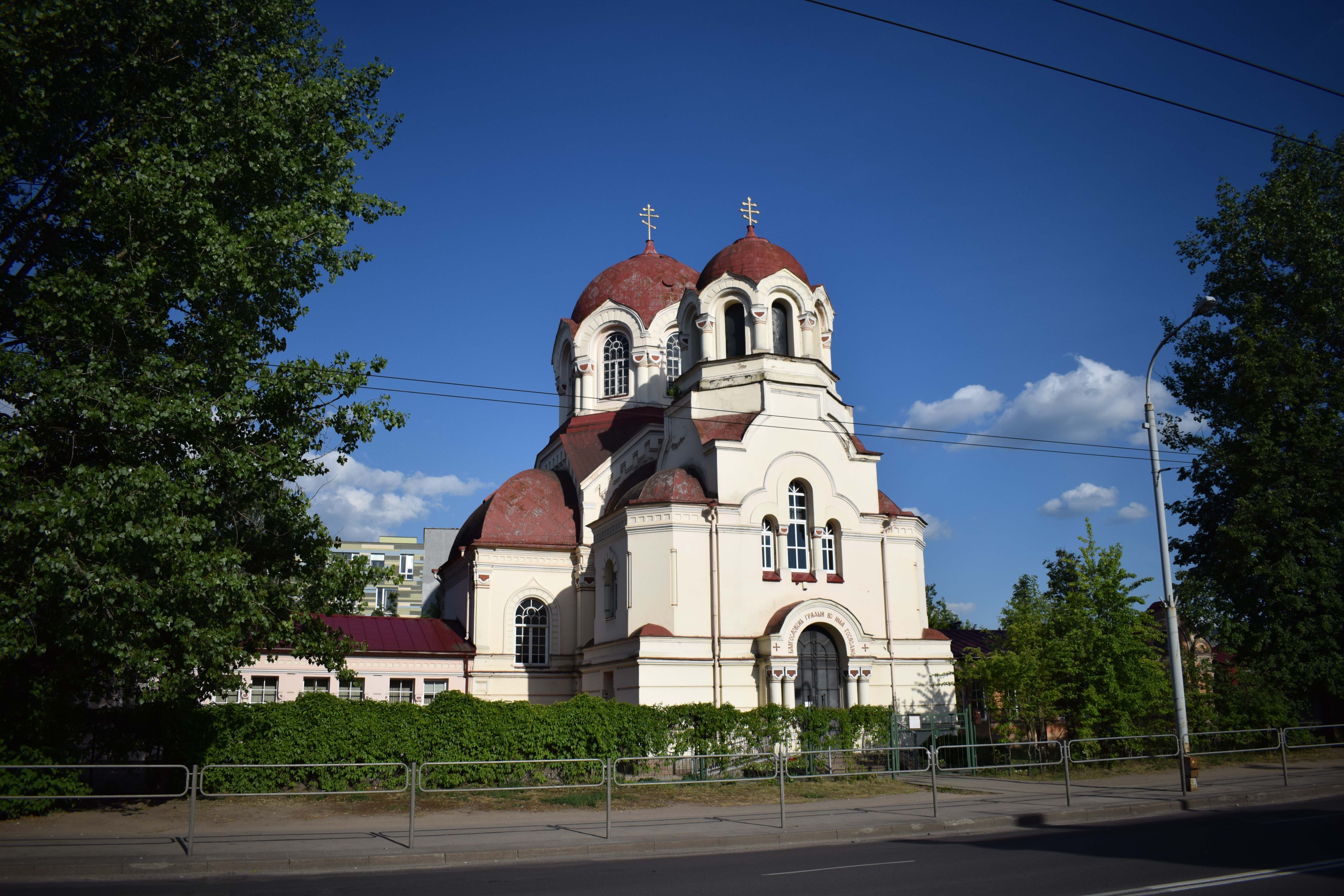
8. The Orthodox Church of St. Michael the Archangel

At the end of the 19th century, the need for an Orthodox church arose in the growing district of…

9. Kalvarijų Market

The official founding year of the market is 1903, when the square was first laid out, allowing for…

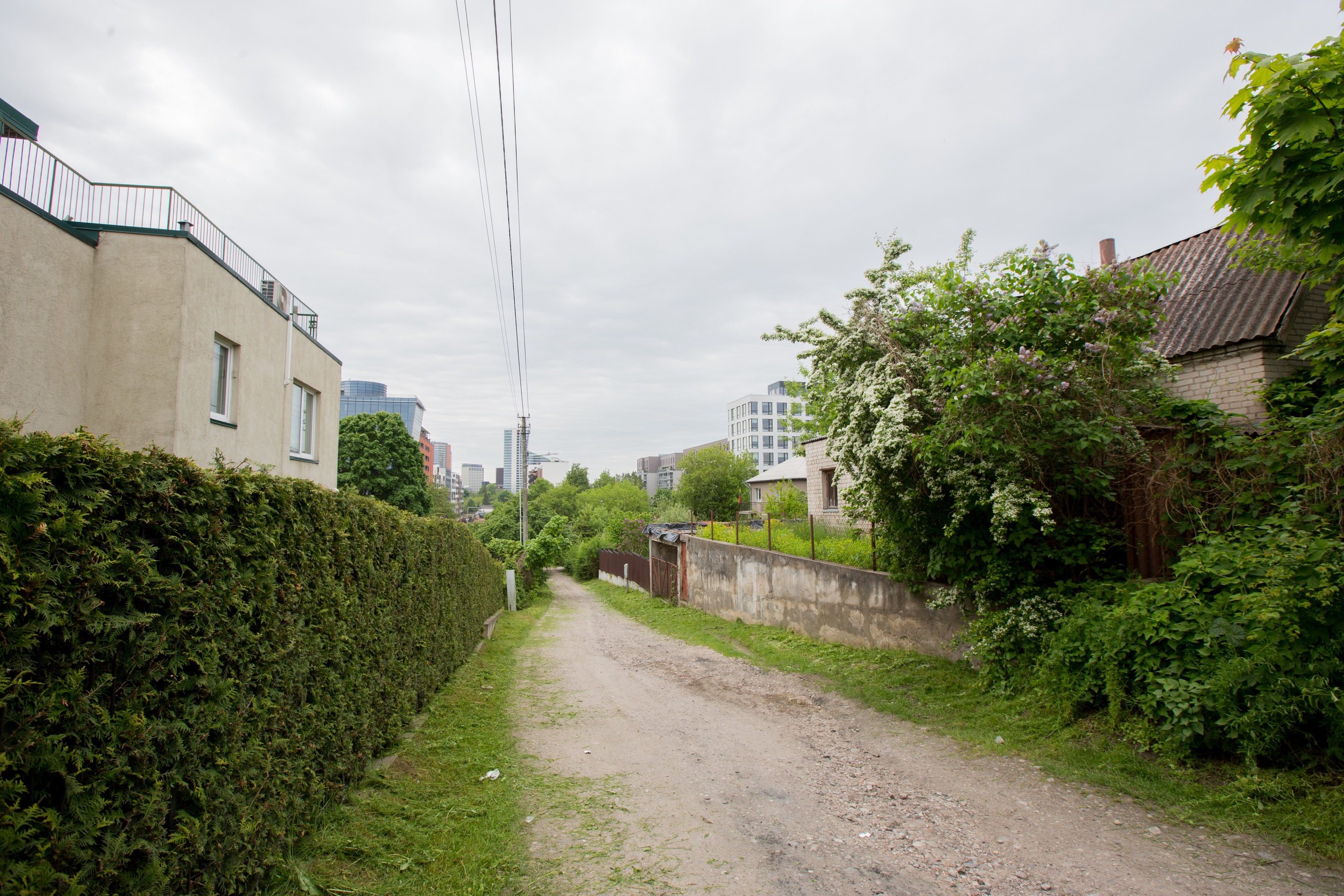
10. Wooden Šnipiškės

Since the 1960s, developers have been working on visions of a new city centre on the right bank of…

11. The Piromonto Colony

The origin of the name Piromontas is confusing – there is consensus that a palace must have stood…