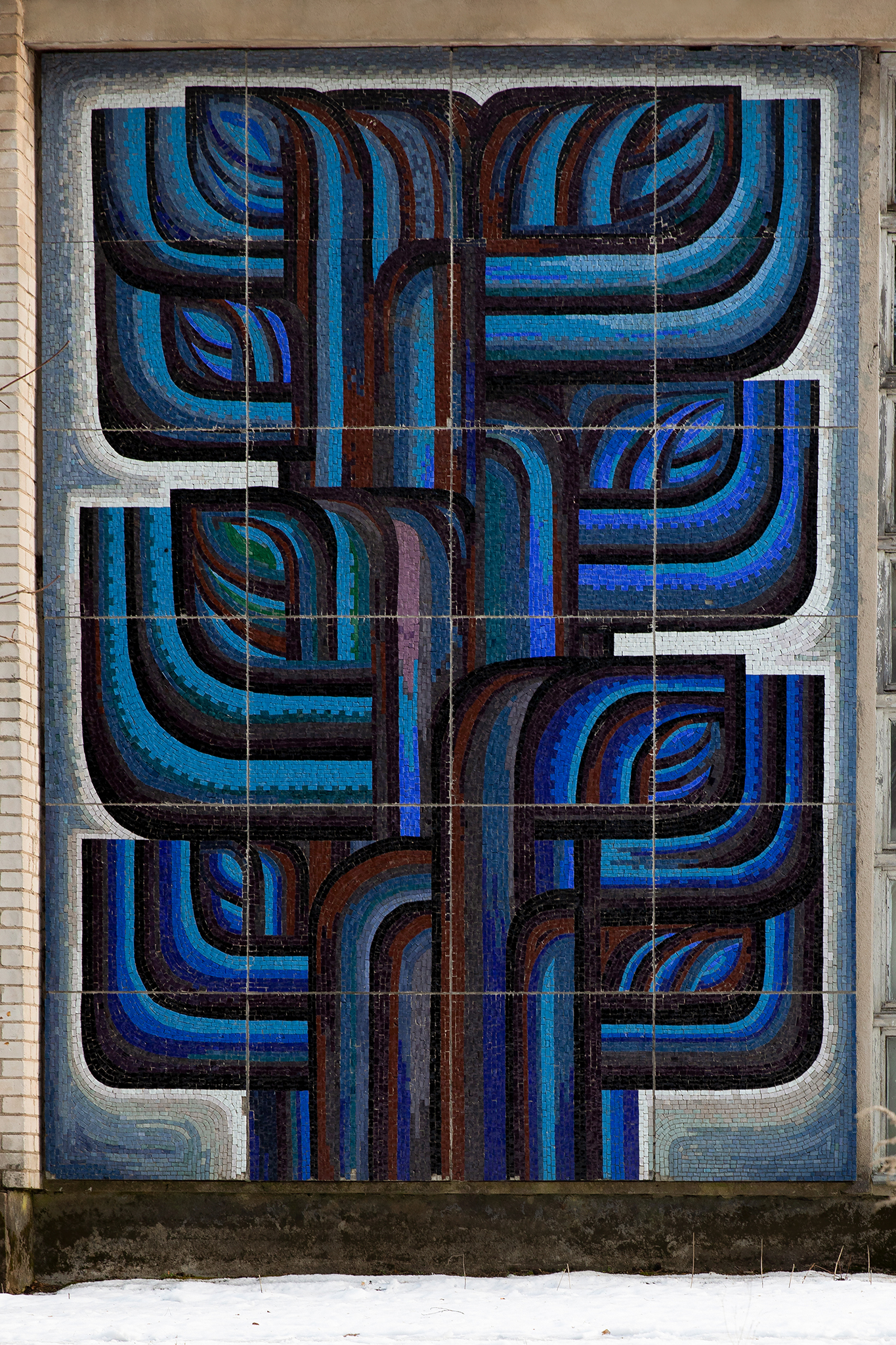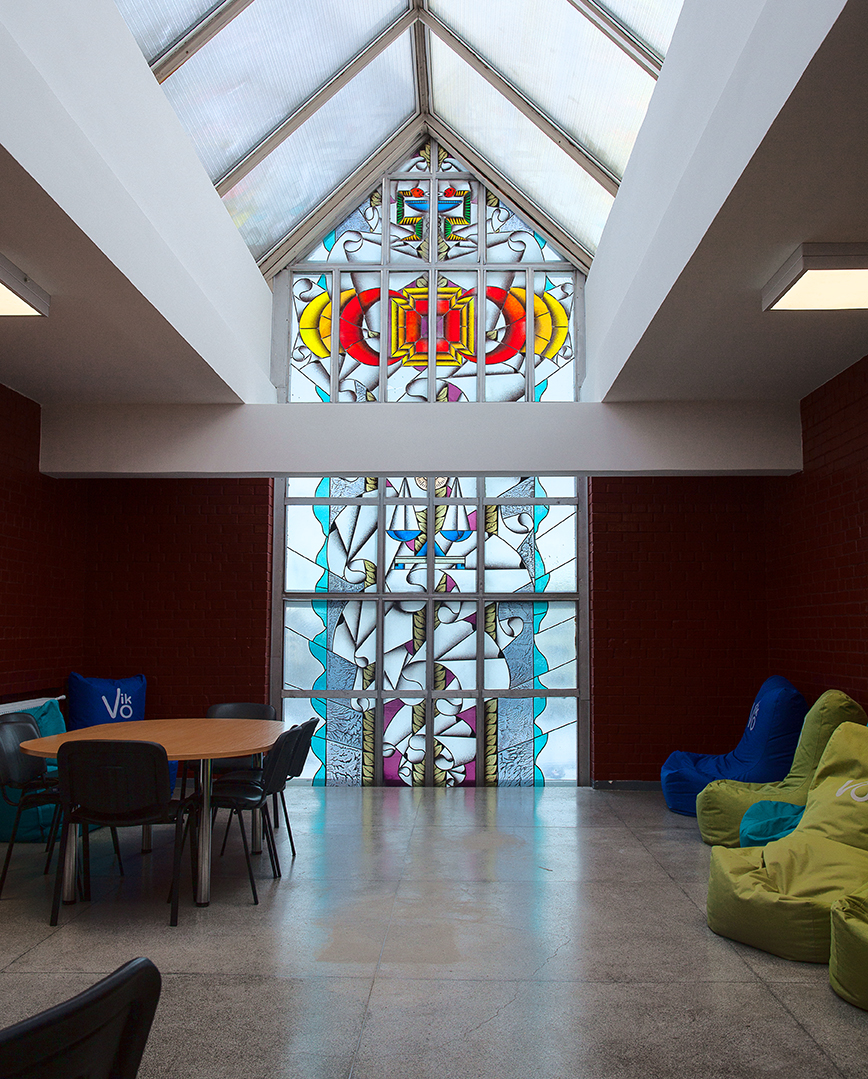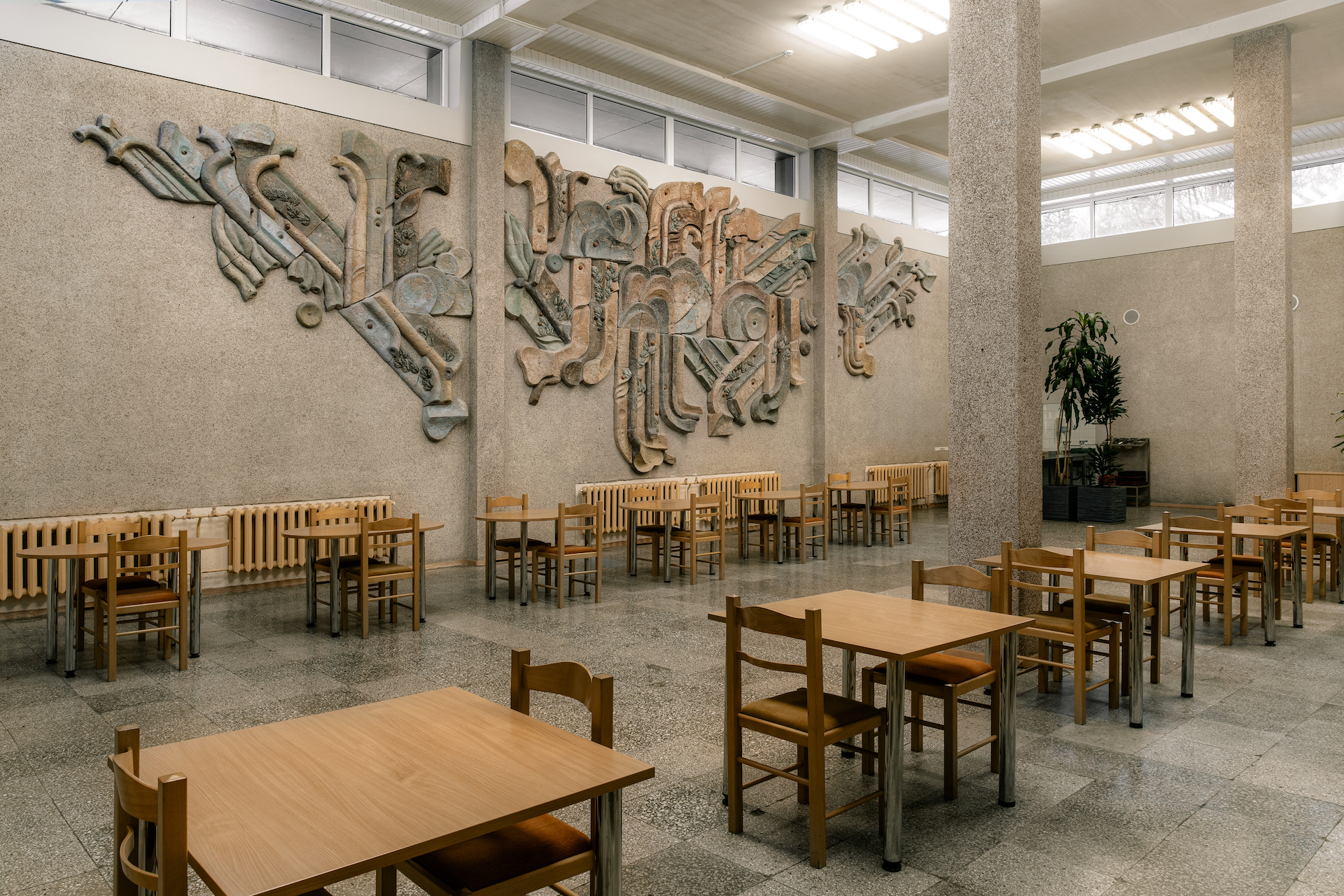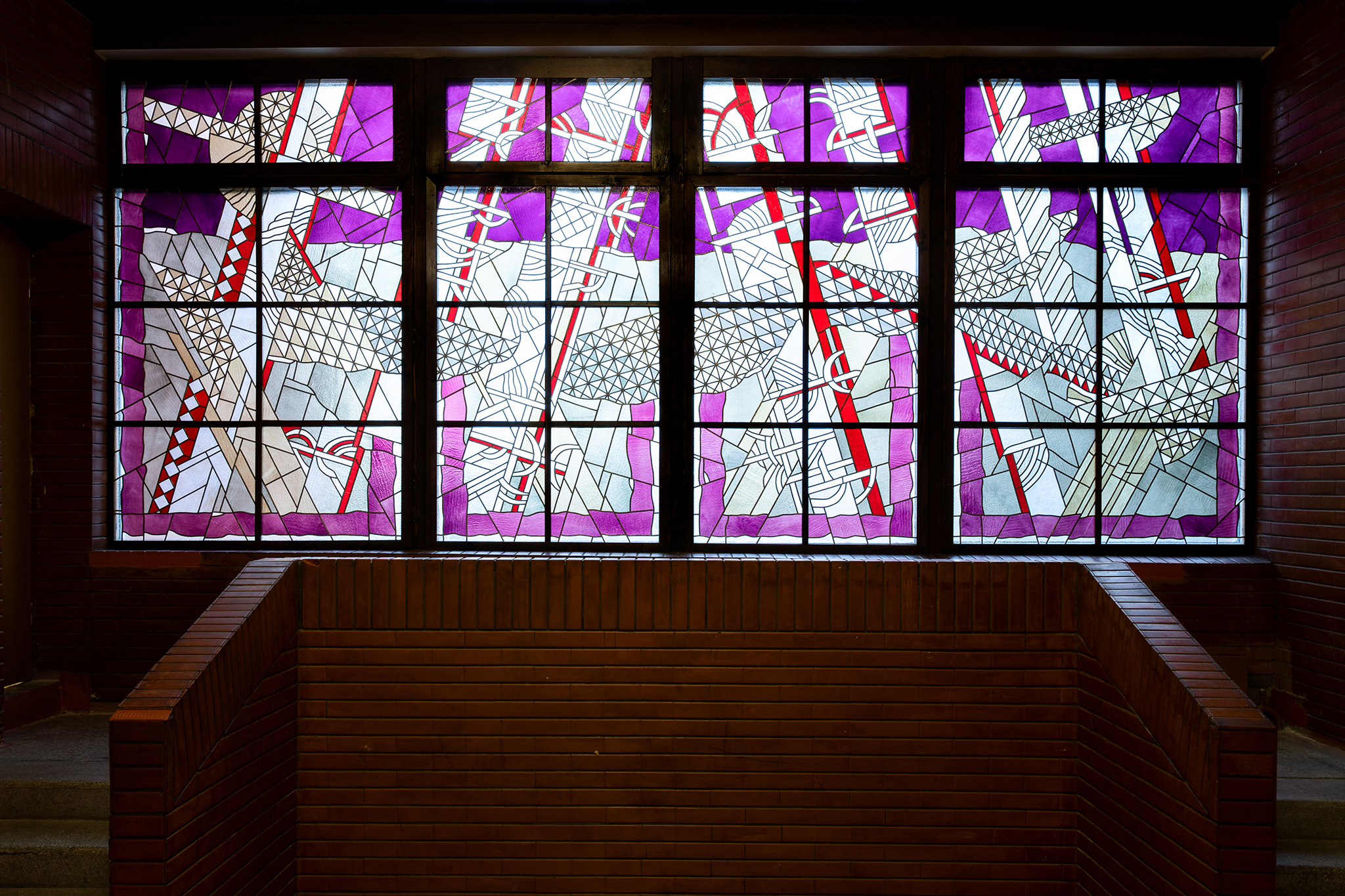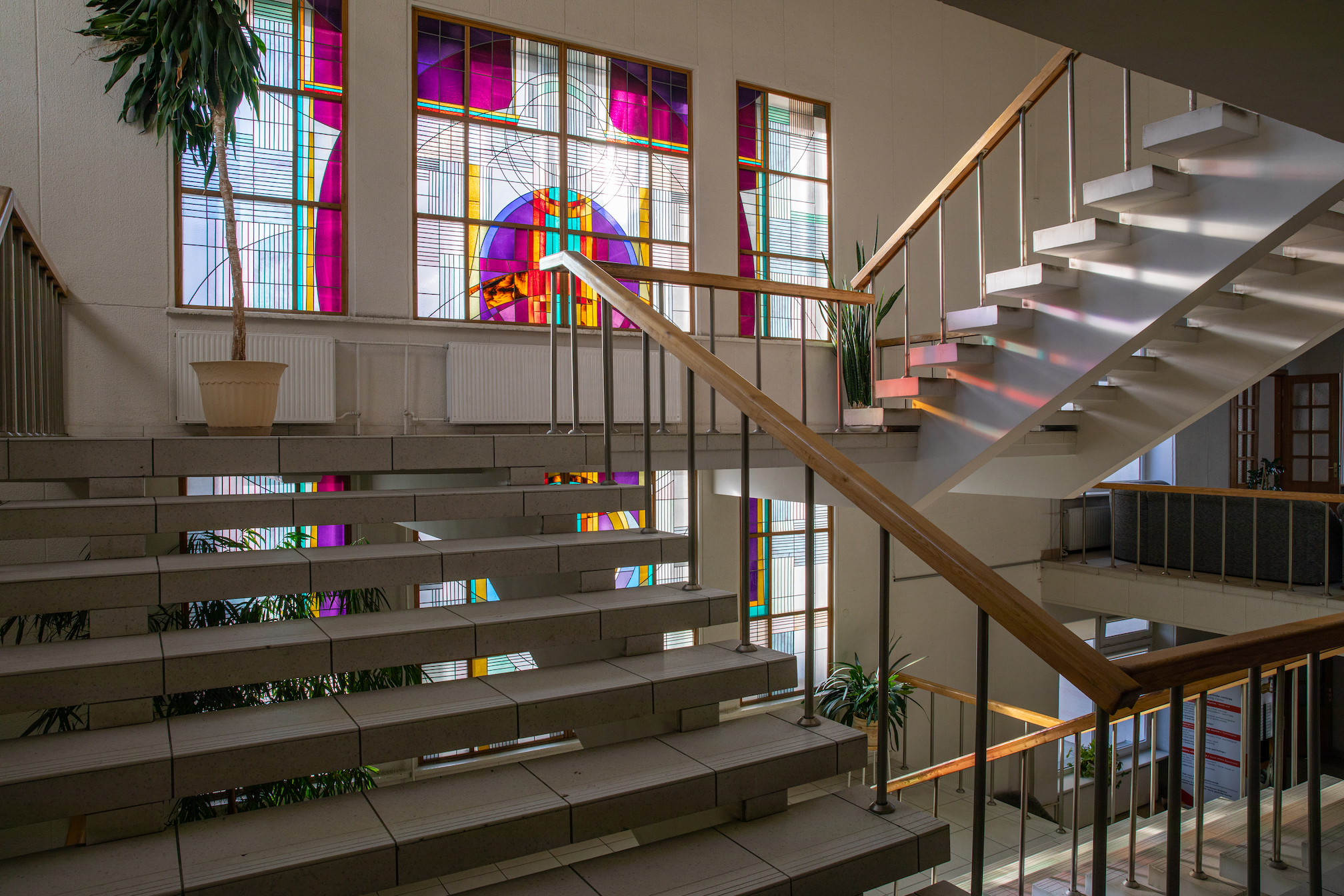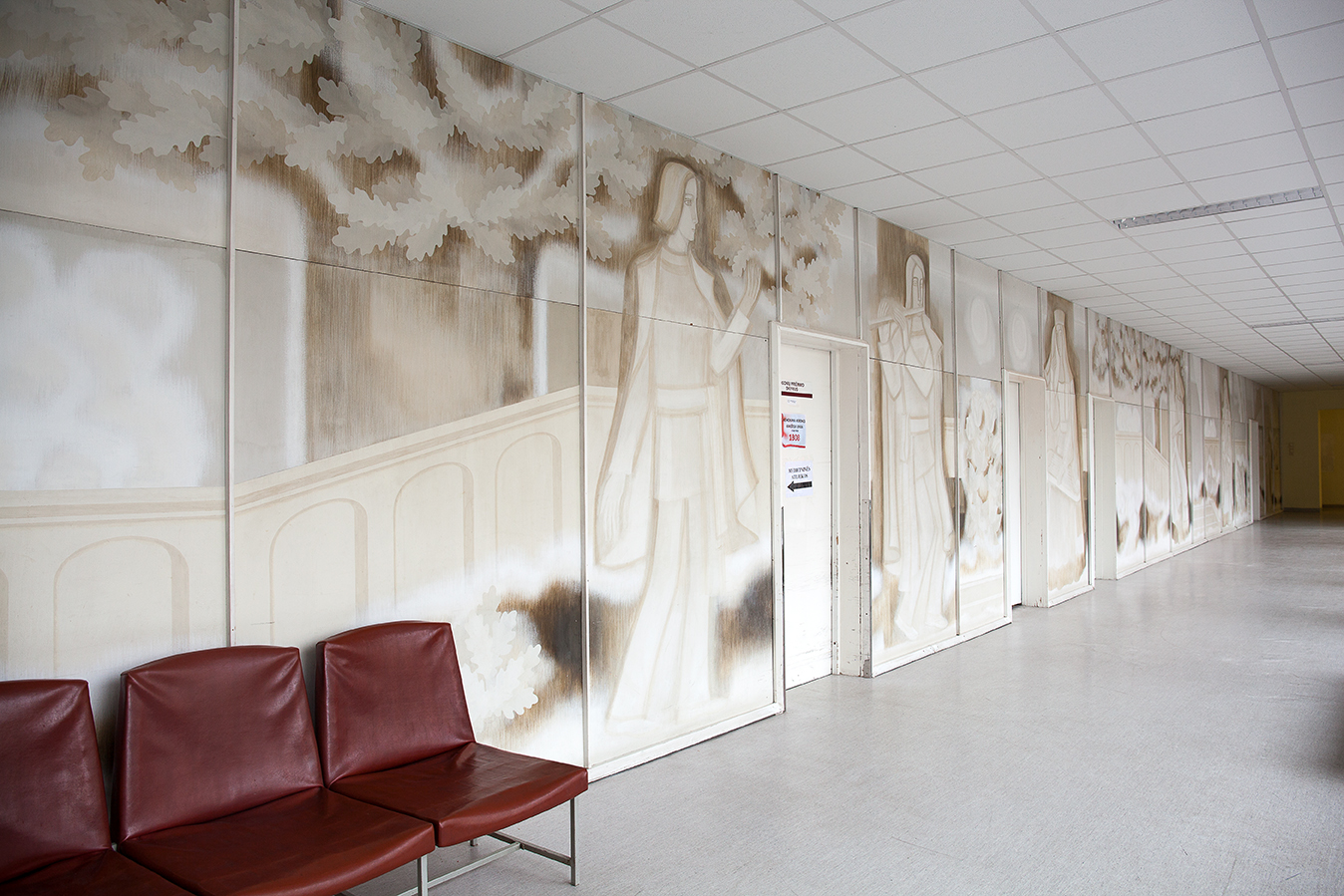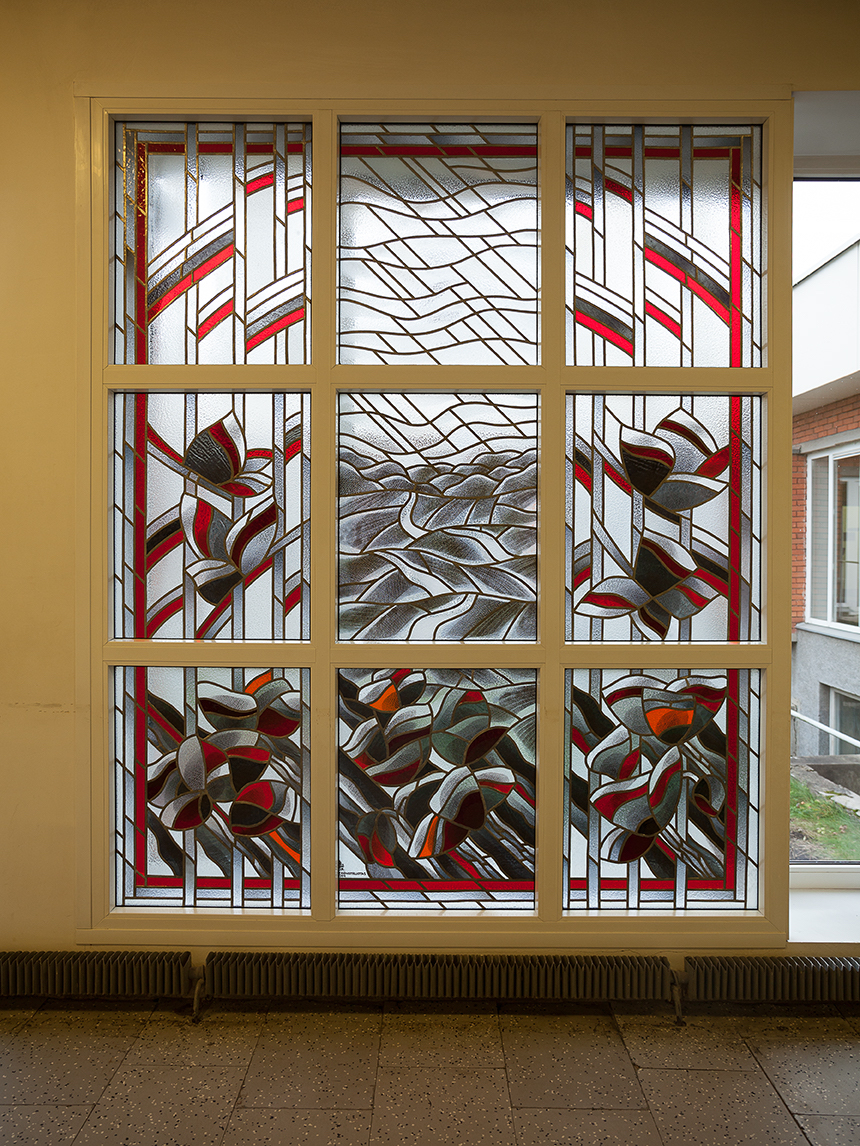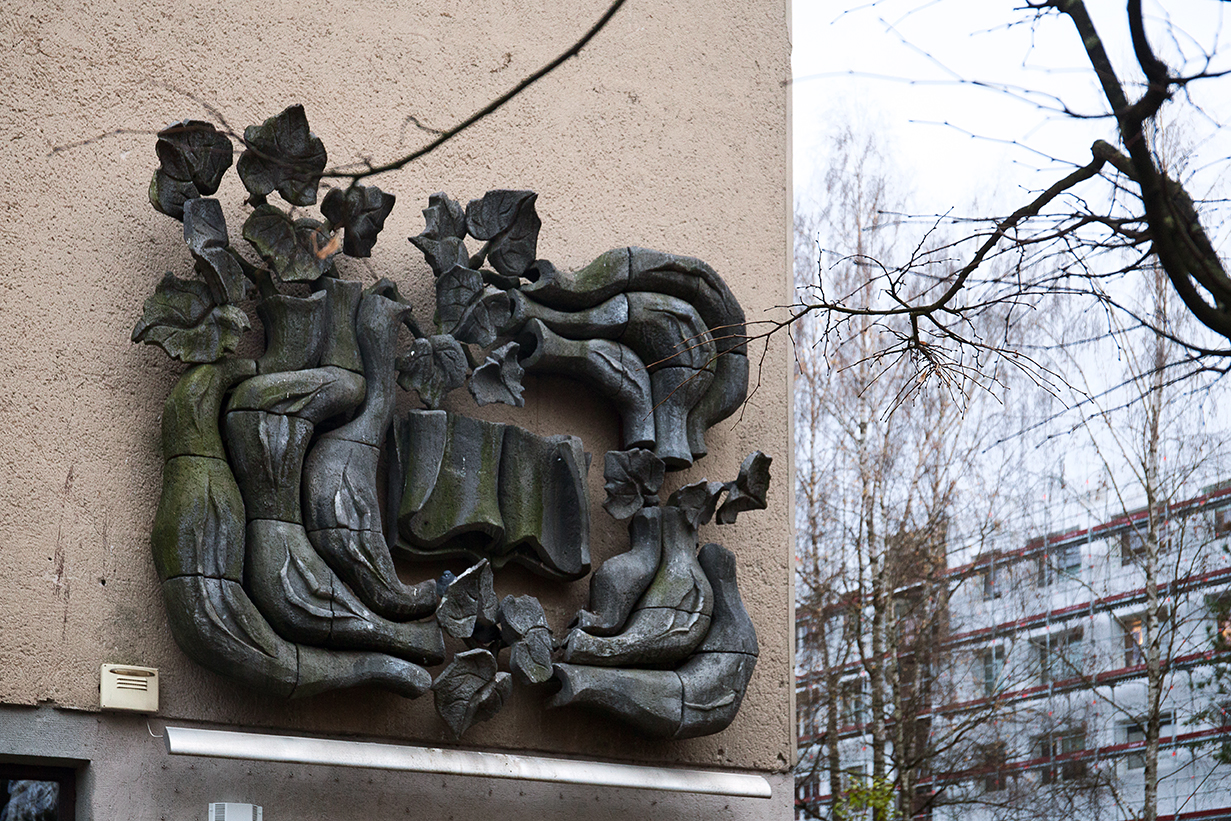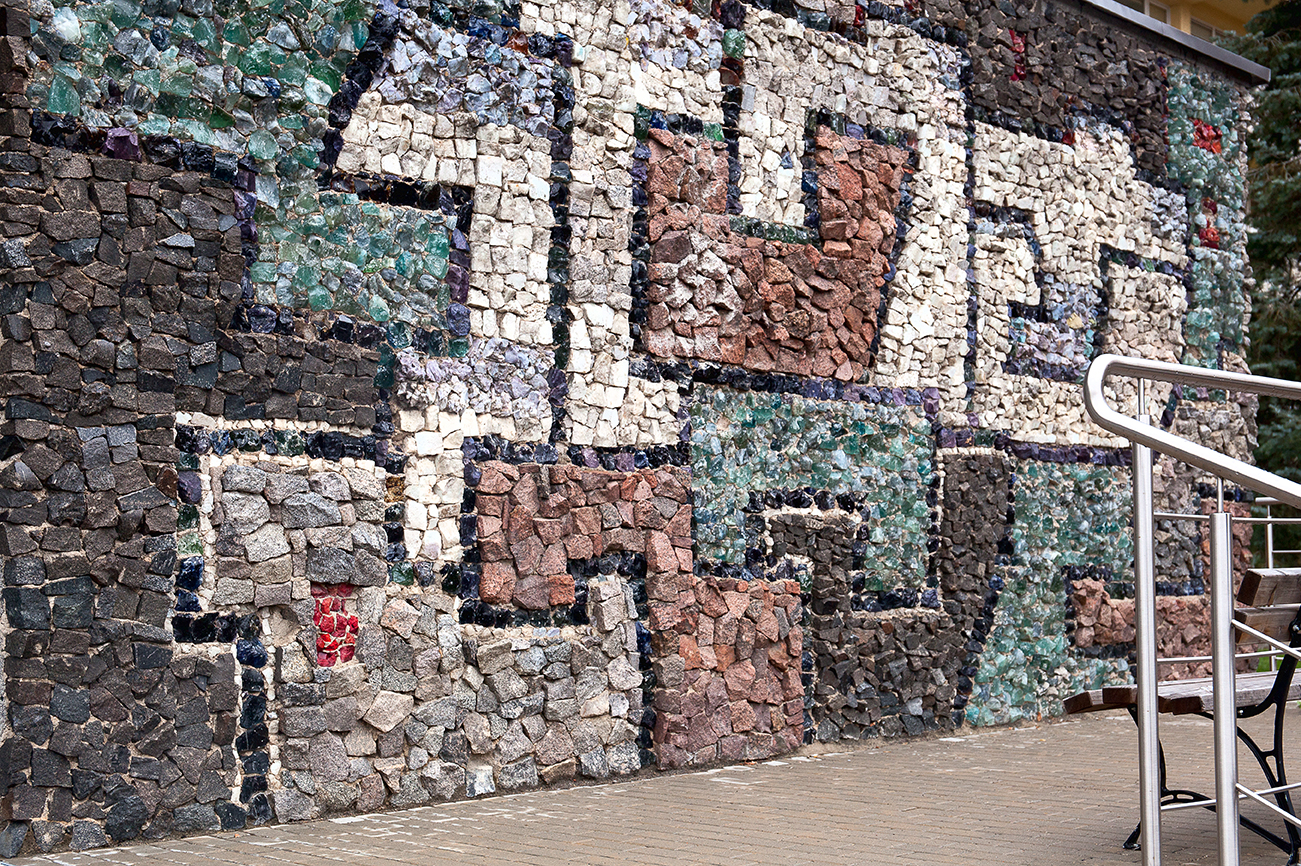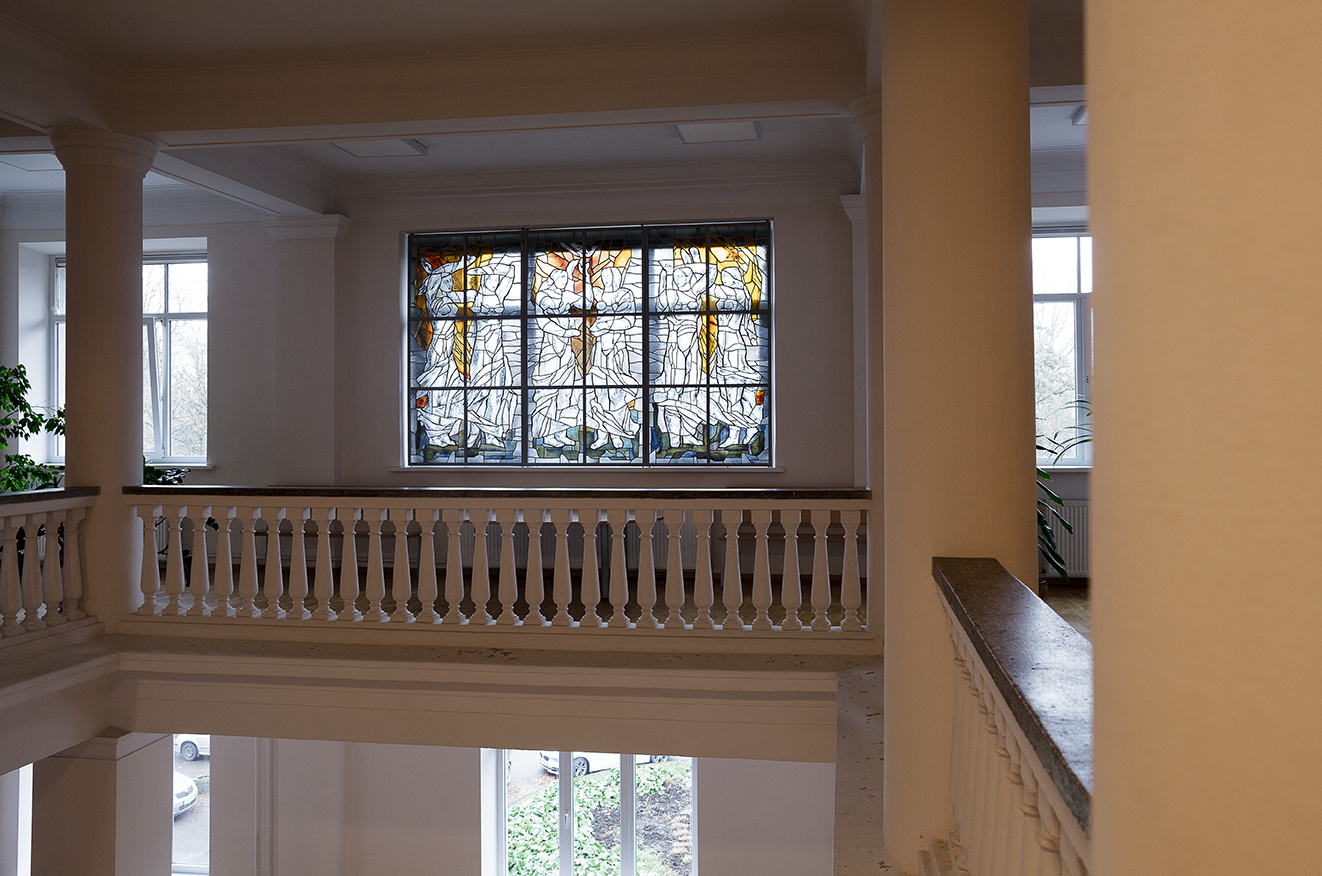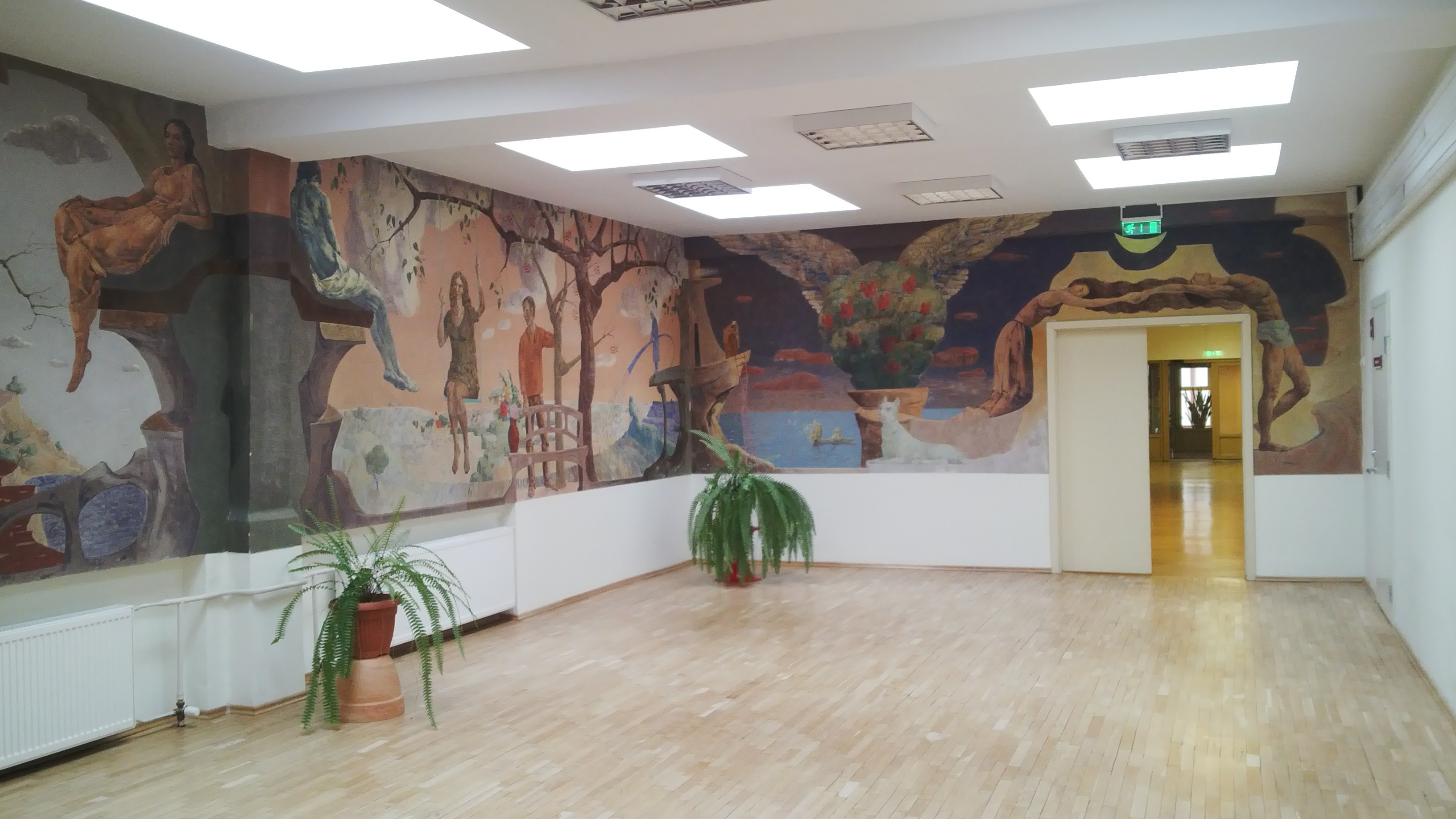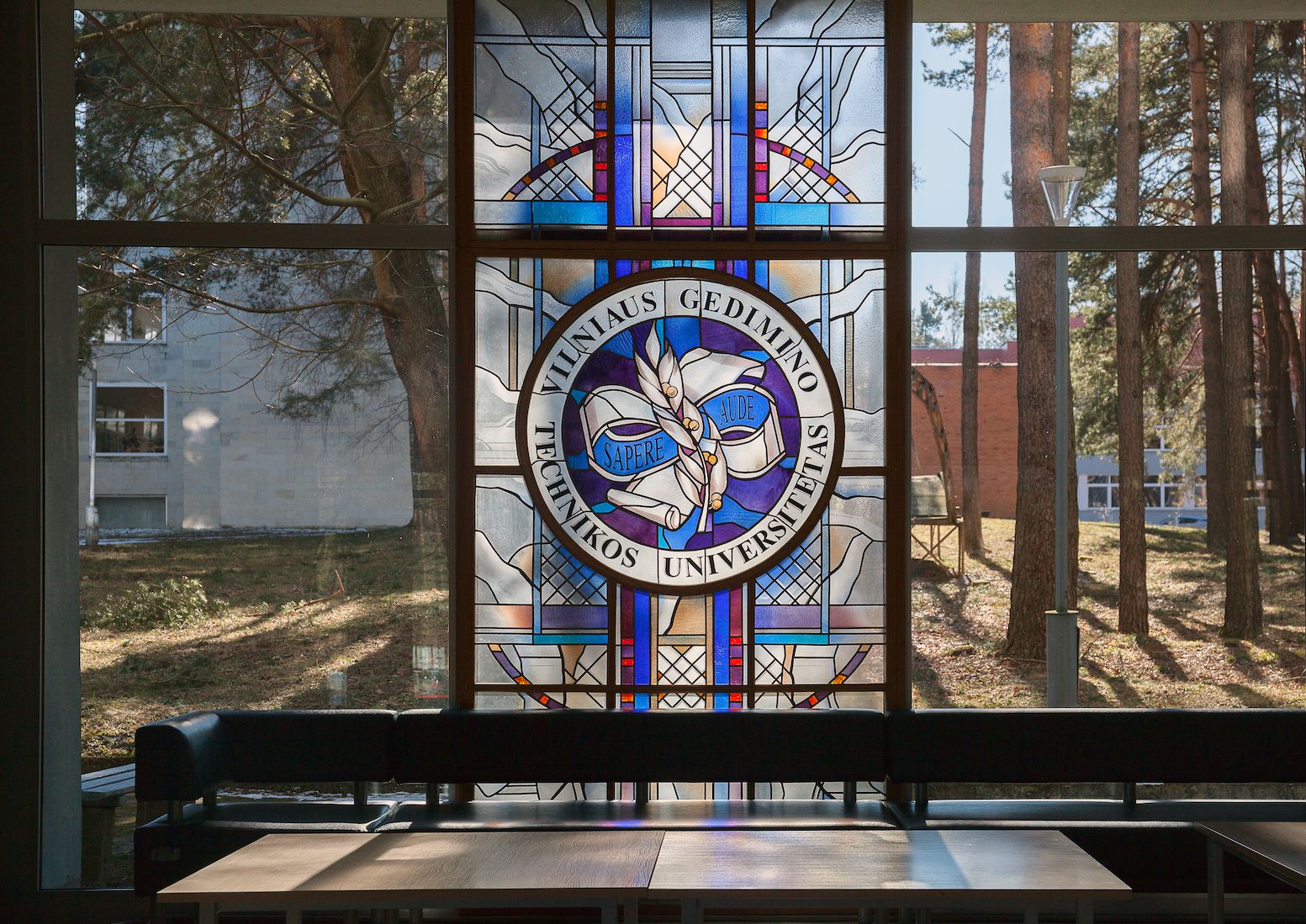


This walking route, which stretches through the residential areas of Vilnius that are far from the centre – Baltupiai and Antakalnis – offers a glimpse of works of art that have fallen into oblivion in the 21st century. On foot, you will see frescoes, mosaics, stained glass, ceramics, textiles, and other works from the second half of the 20th century.
The 1960s to 1980s can be described as the golden age of monumental art, when buildings were designed in harmony with architecture and monumental art. Stained glass produced in Lithuania and the Lithuanian School of this craft were known far beyond the borders of the country. Many frescoes, ceramic murals, and decorative accents adorned Lithuanian public buildings. The works decorating the building of ‘Pušyno Kelias’, the buildings on Didlaukio, Ateities, Antakalnio Streets, and Saulėtekio Avenue, farther away from the centre, are almost unknown to walkers, but they are interesting and valuable. Their valuable qualities are their organic connection with architecture and their scale, as well as unexpected artistic and technological solutions.