
Eiti prie pagrindinio turinio
Neakivaizdinis Vilnius Neakivaizdinis Vilnius
Literature

White bows, black sheep

Historic Vilnius printing houses

Įrašo pavadinimas: White bows, black sheep Įrašo trukmė1:43

Until the 15th century, books were copied by monks. They were saved from monotonous work by an accidental invention by German blacksmith Johannes Gutenberg. In those days, it was believed that a mirror sewn into clothes absorbed holy light from religious objects and thus protected its owner. Johannes produced polished metal plates and, in order to automate the production process, he discovered the possibility of printing text with movable type pieces. In the 1440s, he presented his invention and printed his first book, a Latin textbook. Since then, printing presses have spread across Europe at lightning speed. Soon, they appeared in the Grand Duchy of Lithuania, where religious struggles between Catholics, Orthodox and Protestants raged. The press helped the opposing camps to polemicise with their opponents publicly, to spread their ideas, to maintain order in their communities, and to codify the fundamentals of their faith. Over the centuries, the printing presses of Vilnius, like the city itself, have experienced wars, epidemics, deprivations, occupations, and various prohibitions. However, the printed word still has meaning and value today. The struggle for printing in Latin characters in the late 19th and early 20th centuries stirred up the conscious part of the Lithuanians and revived the nation for a new social and cultural life.

Along the route, we will not only pay tribute to the pioneers of the printed word but also recall the history of culture, religion and various social processes of the time.
Start location

Francysk Skaryna’s Printing House(Didžioji g. 19) 19)

Duration
1.30 h Without going inside
Distance
5,10 km
Means of travel
On foot
Terrain
Medium
Adapted for people with reduced mobility
Pet friendly
Additional information

Routed by Sigita Bertulienė.

Photos by Brigita Burkauskaitė, Sigita Bertulienė, “Go Vilnius”.

1. Francysk Skaryna’s Printing House (1522-1525)

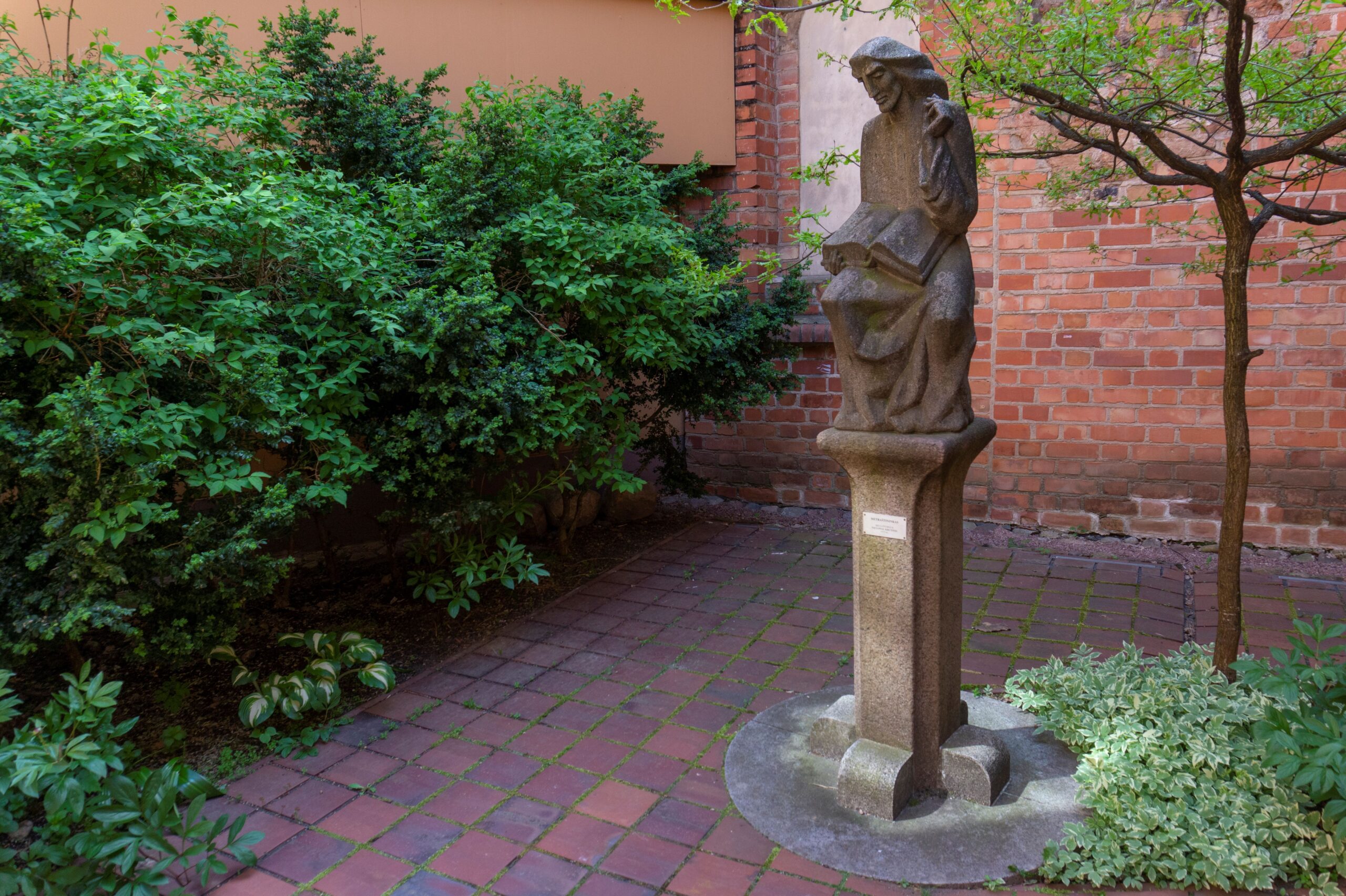
The memorial plaque and the sculpture ‘The Annalist’ (sculptor – V. Krutinis) commemorate the…

2. The Mamonich Printing House (1574–1624)

It is not known exactly where this printing house was located. It is assumed that it was in the…

3. The Romm Printing House (1799–1940)

It was founded by Borukh Romm as a branch of the Grodno Printing House, which had been granted a…

4. The Basilian Monks’ Printing House (1628–1839)

The location of this printing house was always in Vilnius St. Trinity Monastery. In the second half…

5. The Franciscan Printing House (1671-1781)

The Franciscan Monastery in Vilnius was famous as an important intellectual centre of Vilnius,…

6. The Carcan Printing House (1580–1620)

The printing house on the street, which later received its name because of the printing houses,…

7. The Vilnius Academy Printing House (1575–1773)

In the 16th century, Protestant publications began to be printed in Lithuania Minor, and the…

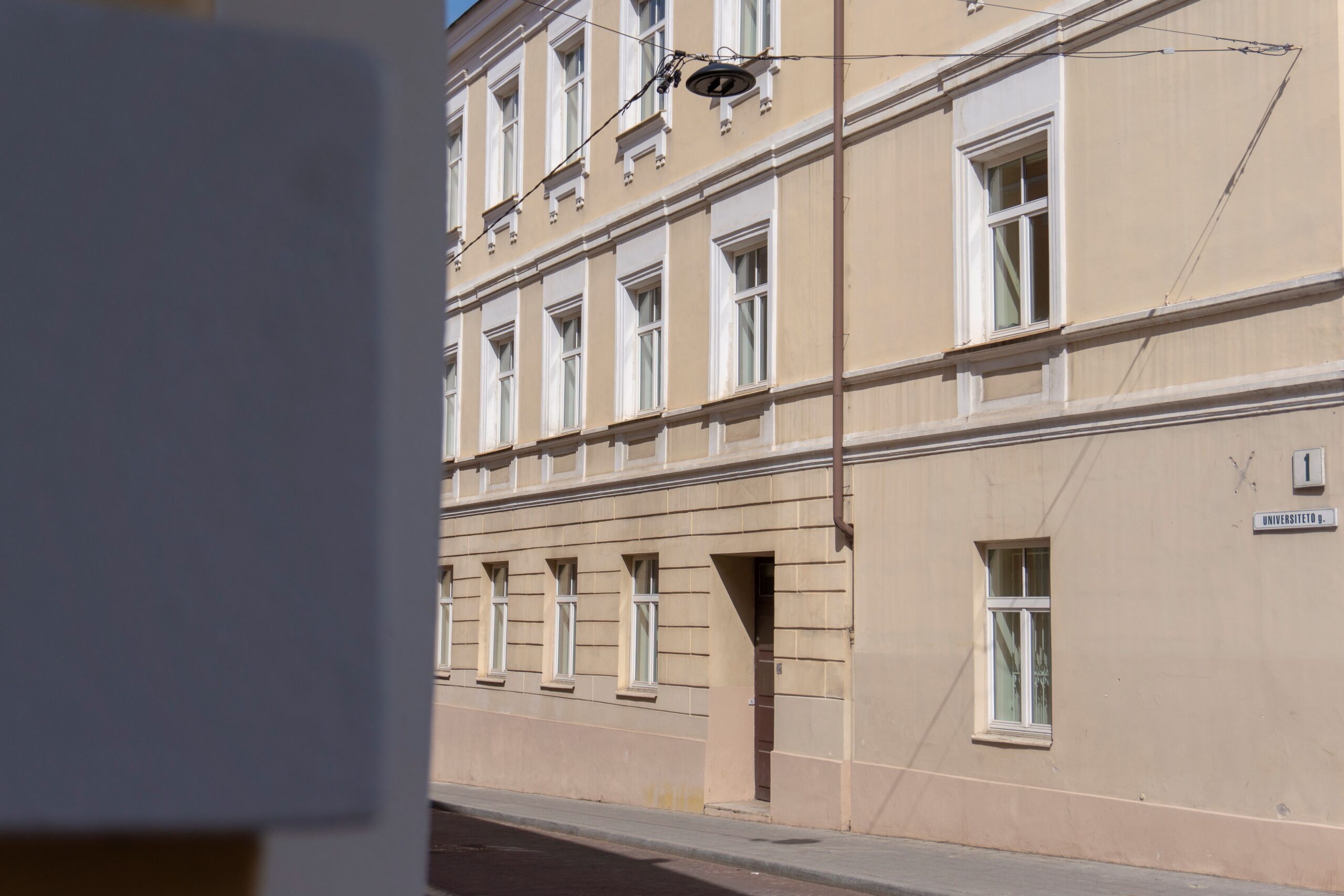
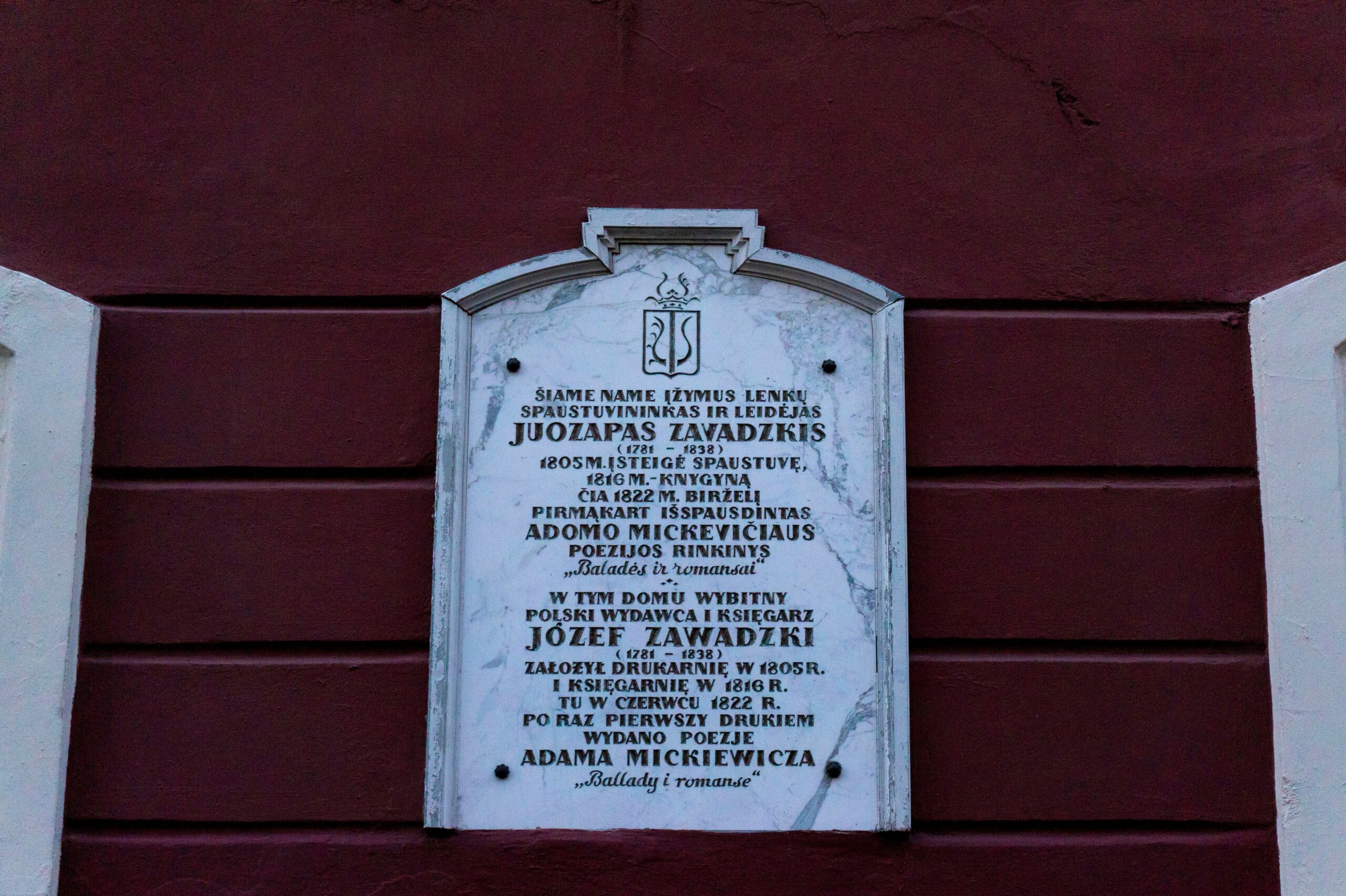
8. Józef Zawadzki’s Printing House (1805–1828)

Józef Zawadzki, who had trained as a printer in Wrocław, Poznań, and Leipzig, came to Vilnius in…

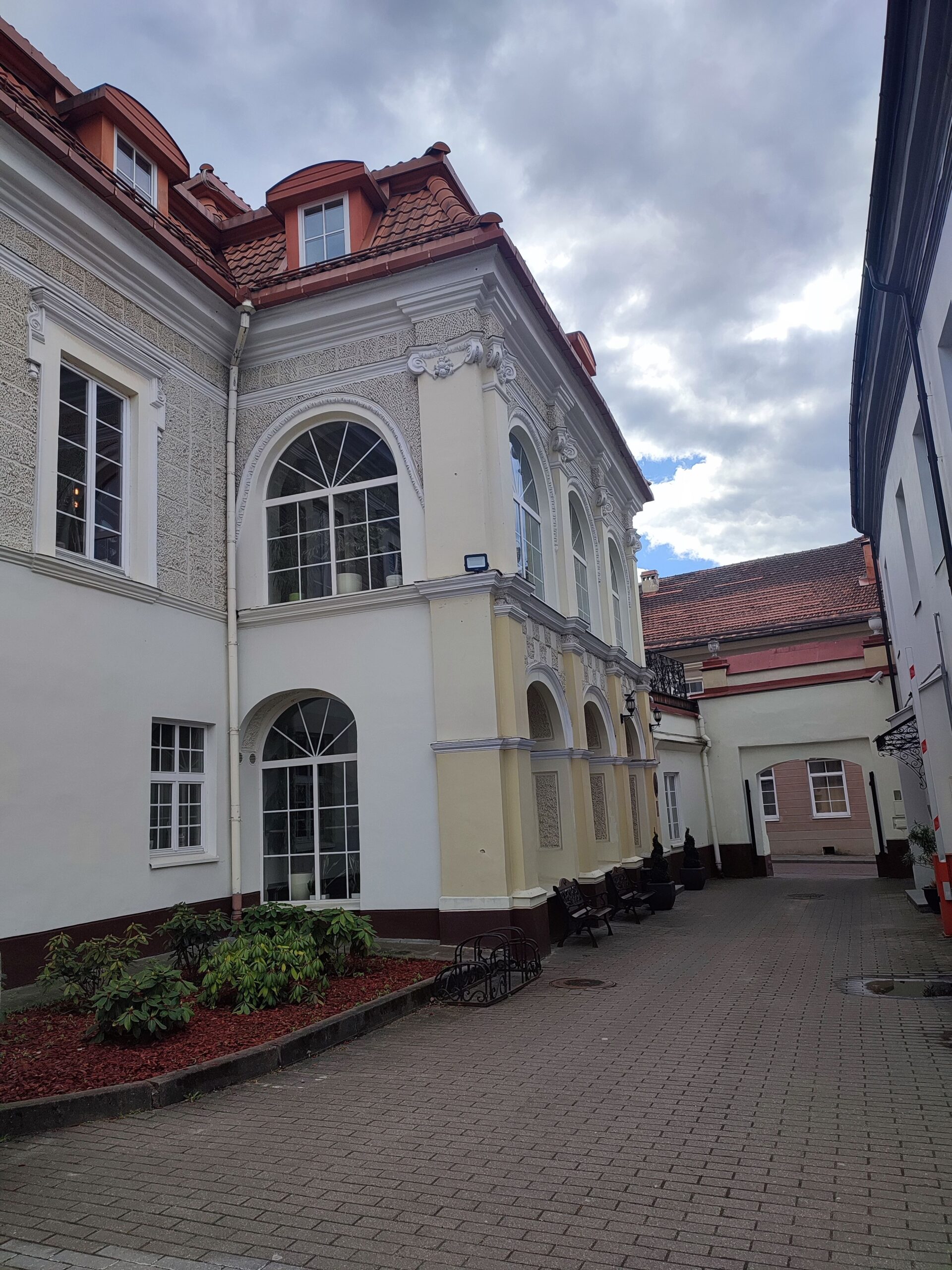
9. Józef Zawadzki’s Printing House (1828–1940)

In 1820, there was a disagreement between the university authorities and Zawadzki over the price of…

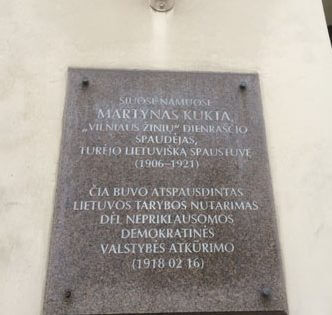
10. Martynas Kukta’s Printing House (1906-1924)

Its founder, Martynas Kukta, started working as an apprentice and typesetter in the printing house…

11. The ‘Vilniaus Žinios’ Printing House (1904–1910)

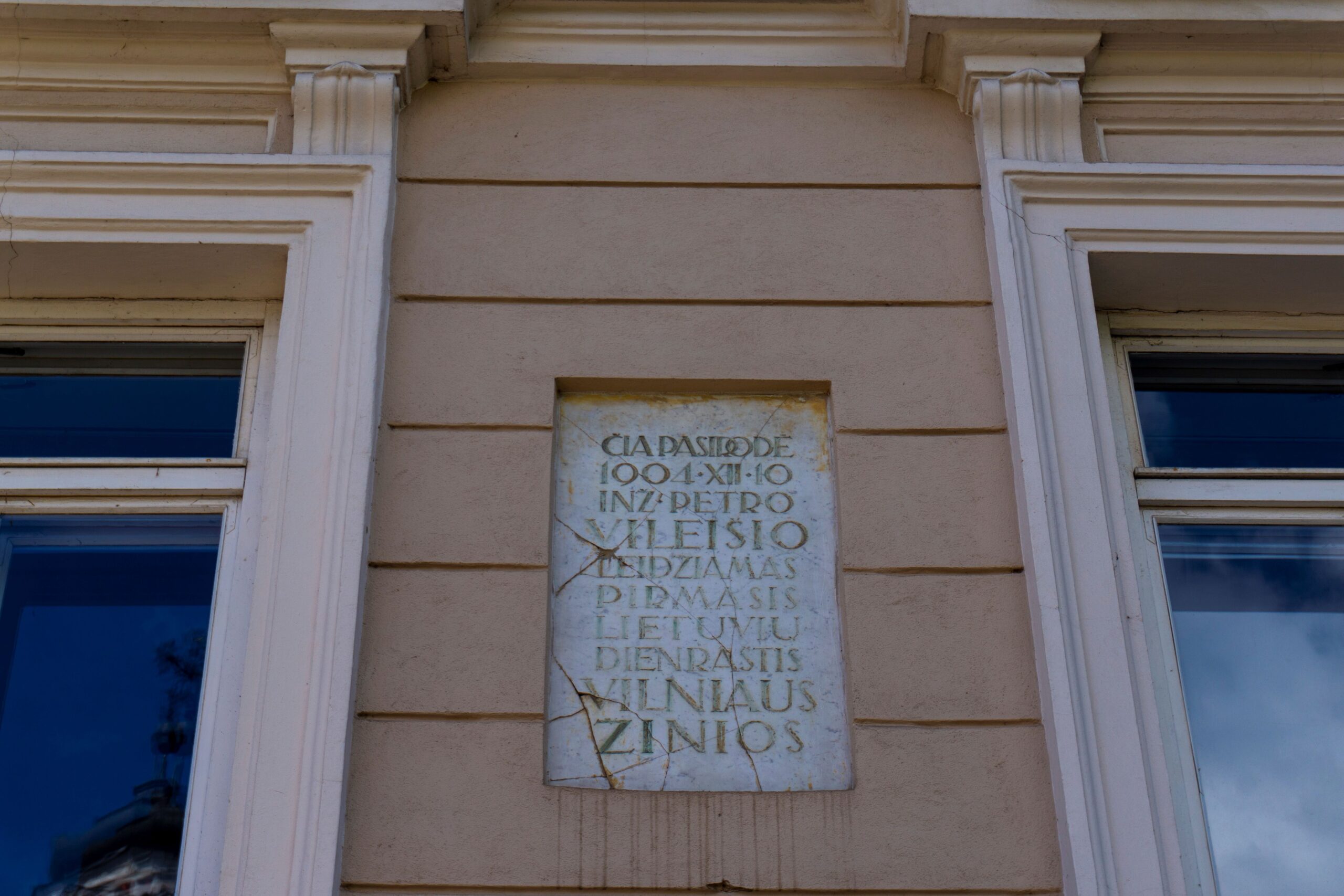
In 1904, after the ban on Lithuanian printing in Latin characters was lifted, Petras Vileišis, an…