Neakivaizdinis Vilnius Neakivaizdinis Vilnius
Vilnius Districts studies

Naujoji Vilnia

A combination of nature and industry that has long developed as an independent town

Both together and separately – this is how we could describe the relationship between Naujoji Vilnia and Vilnius. Although now it is officially an inseparable part of the capital of Lithuania, not so long ago Naujoji Vilnia was an independent town with huge ambitions.

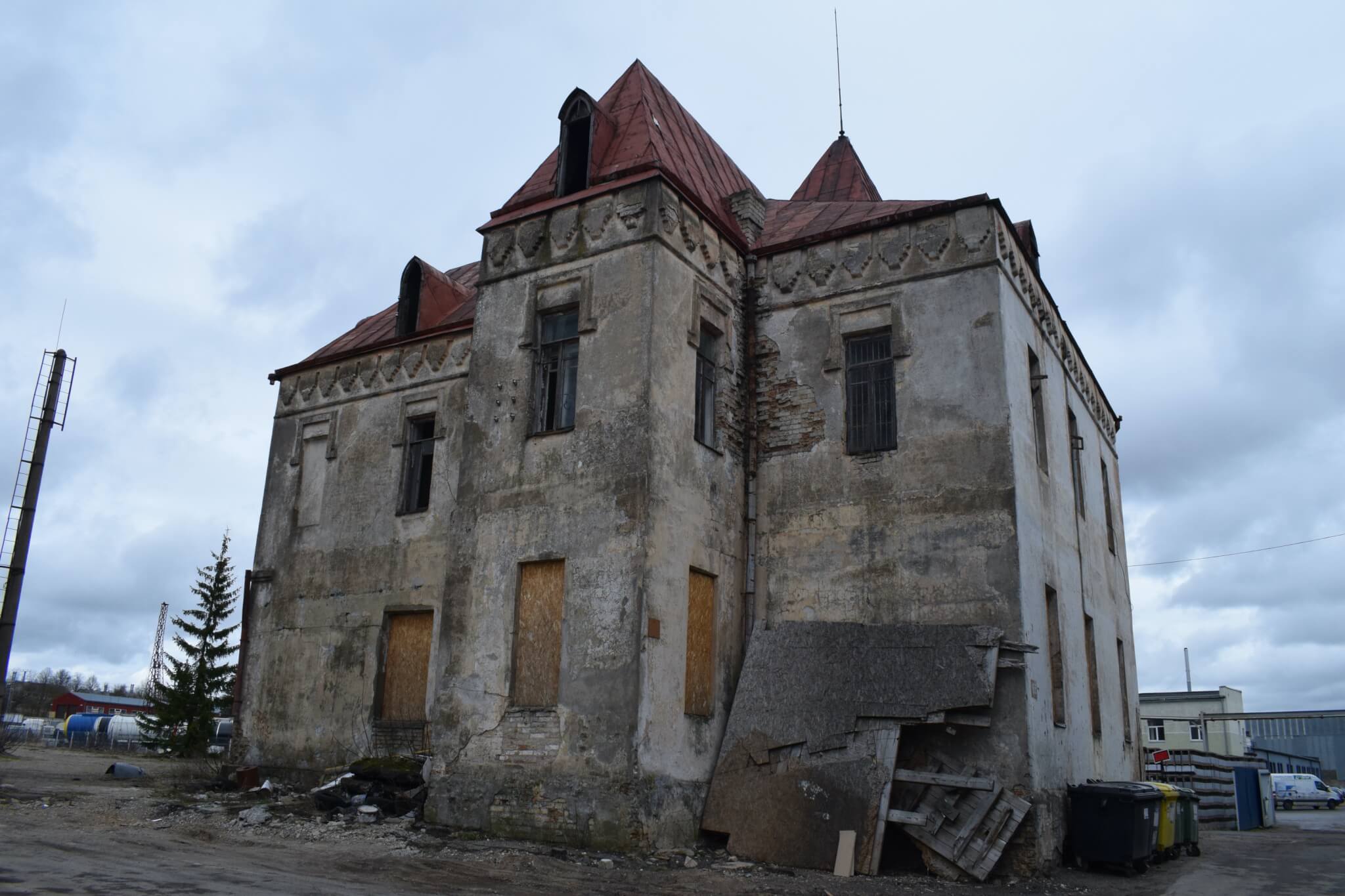
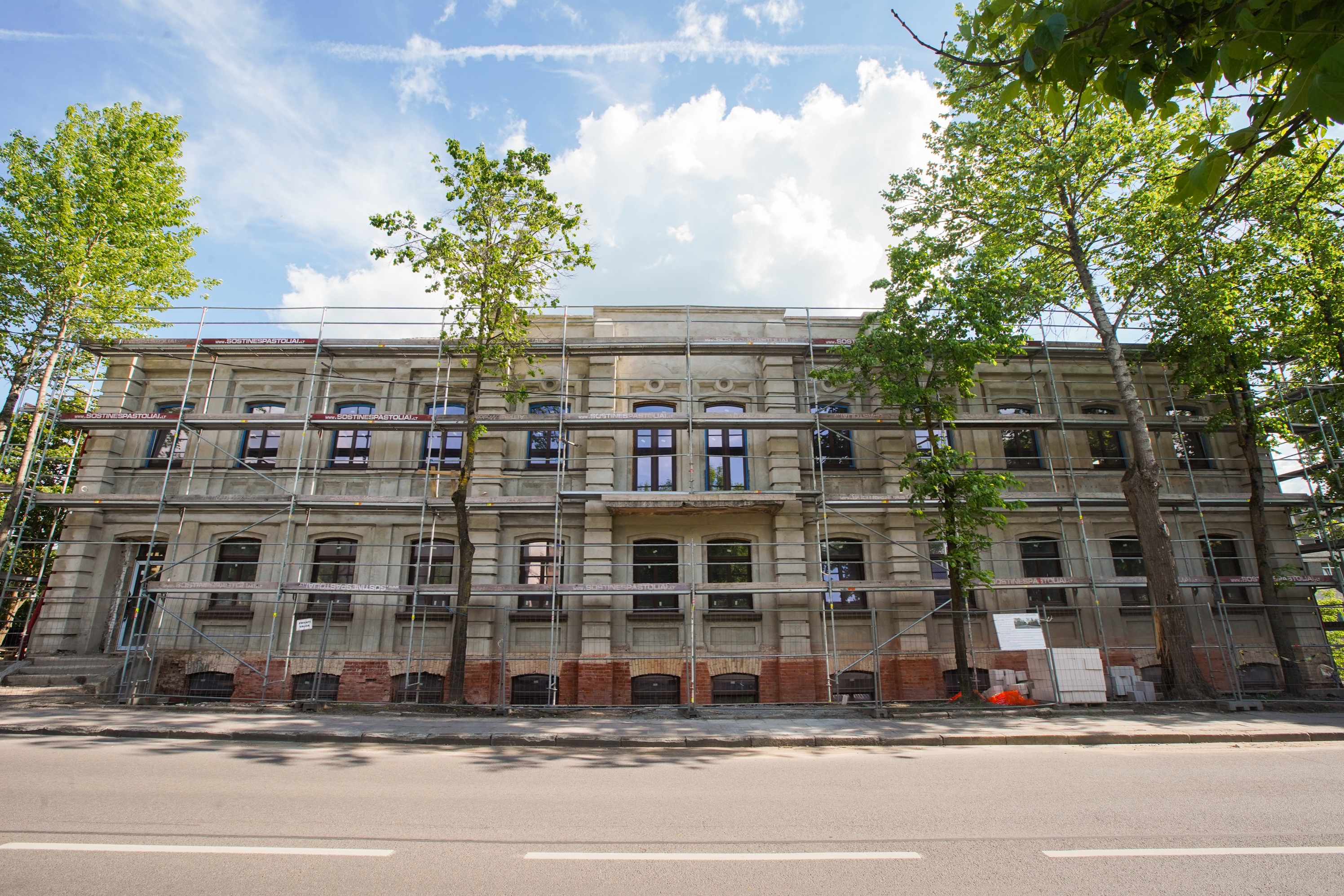
 In ancient times, the area along the River Vilnia, populated and dotted with mills, was called Rokantiškės. The biggest impetus for development came later, in the second half of the 19th century, with the construction of the imperial Petersburg-Warsaw and Liepaja-Romny railways. Having received the fresh name of Novovileisk, the settlement immediately became a major transport hub, which was discovered even by foreign capitalists, who rushed to build a wide range of industrial enterprises: metal foundries, sewing factories, linen fabrics, nails, scythes, yeast, tanneries, timber sawmills, and windmills. After rapid growth, in 1903 the then Novovileisko settlement was separated from the Mickūnai municipality and… became a separate town! However, the industrial town did not enjoy self-government for long – after many attempts to define the status of Naujoji Vilnia, it finally became part of Vilnius in 1957. Although it is just one of the many administrative districts of the capital, its history and character are extraordinary, as you will find out when you explore the most interesting objects of the neighbourhood, which have been plentiful throughout the ages.

What you’ll learn/see on the route:

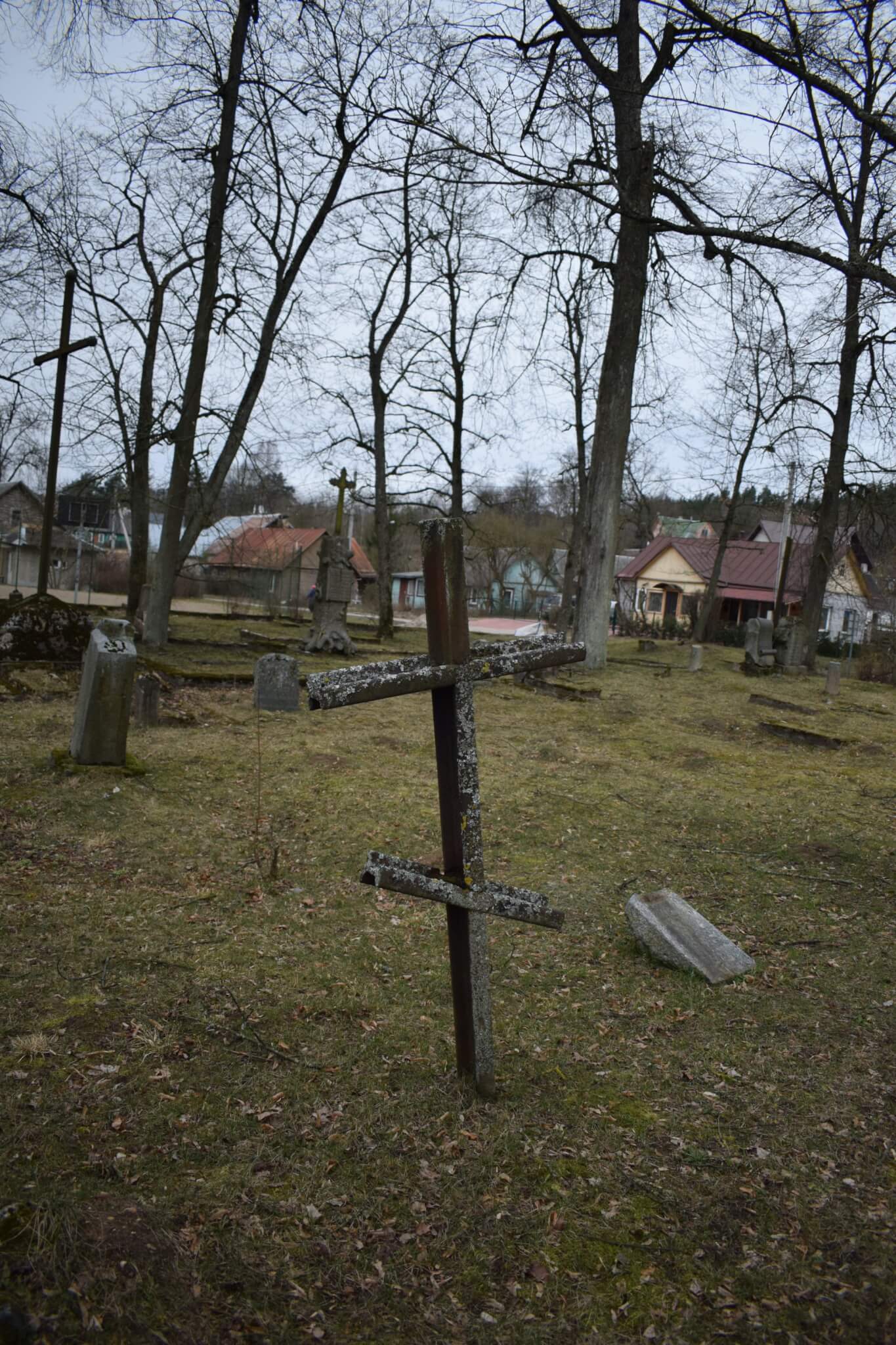
  • What makes the crosses of the old cemetery in Naujoji Vilnia special?
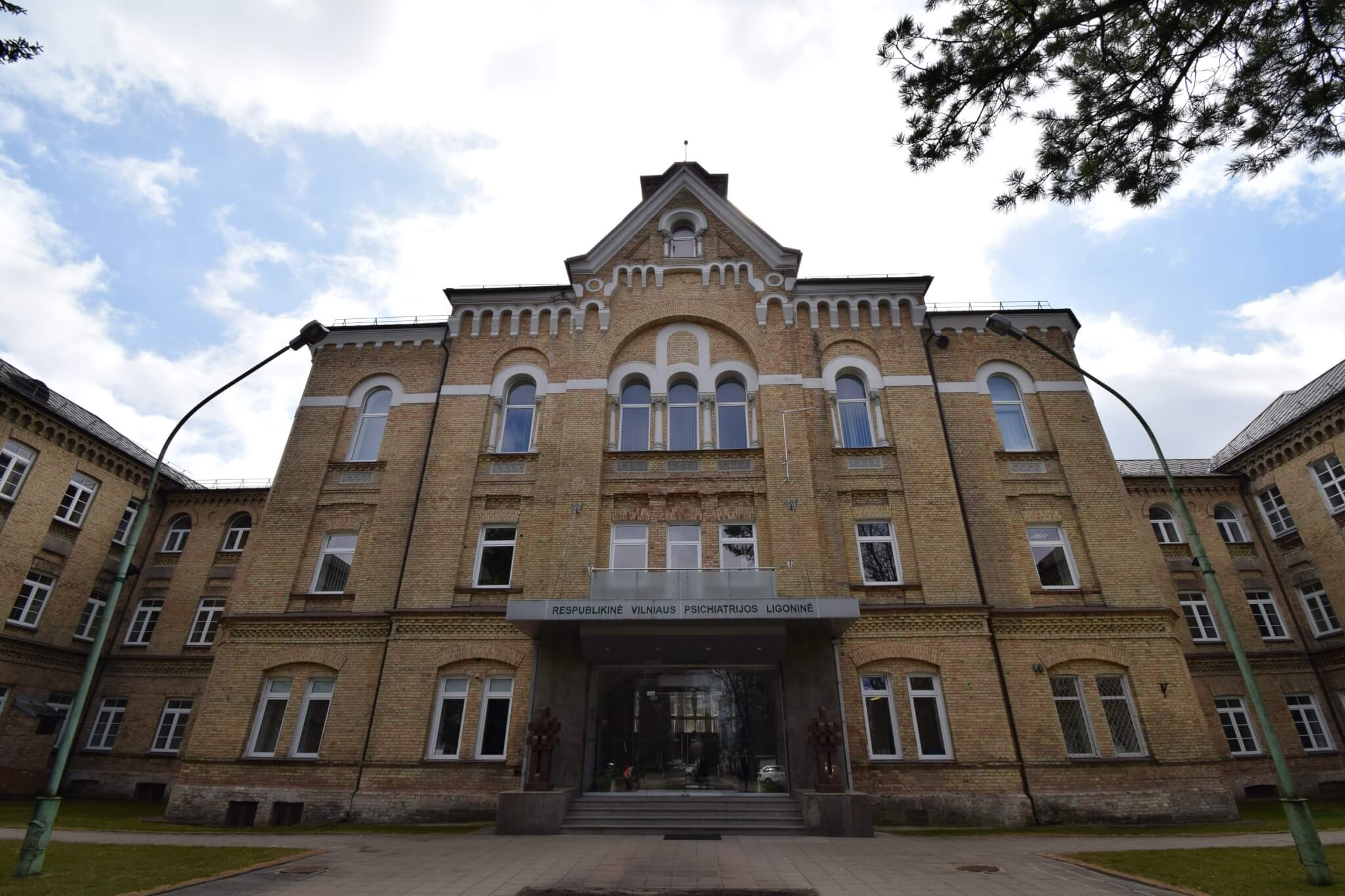
  • The shape of what symbol was used to build the Naujoji Vilnia Psychiatric Hospital?
  • How many bridges over the River Vilnia are there in the district?
Start location

Užtvankos g. 1

Duration
3.10 h Without going inside 4 h With going inside
Distance
11,00 km
Means of travel
Pėsčiomis
Terrain
Sudėtingas
Pet friendly
Additional information
  • This route is not recommended for disabled people or parents with children in pushchairs – the terrain is particularly difficult; some streets are unpaved and the pavements are in rather poor condition.
  • Suitable with animals.

Route by ‘Gatvės gyvos’; photos by Vytautė Ribokaitė, Saulius Žiūra, ‘Gatvės gyvos’

1. Kučuriškių paper mill

Since ancient times, water-powered industries have been located along the Vilnia River – traces of…

2. The Old Cemetery

Although there is no tangible historical knowledge of the cemetery, the old cemetery of Naujoji…

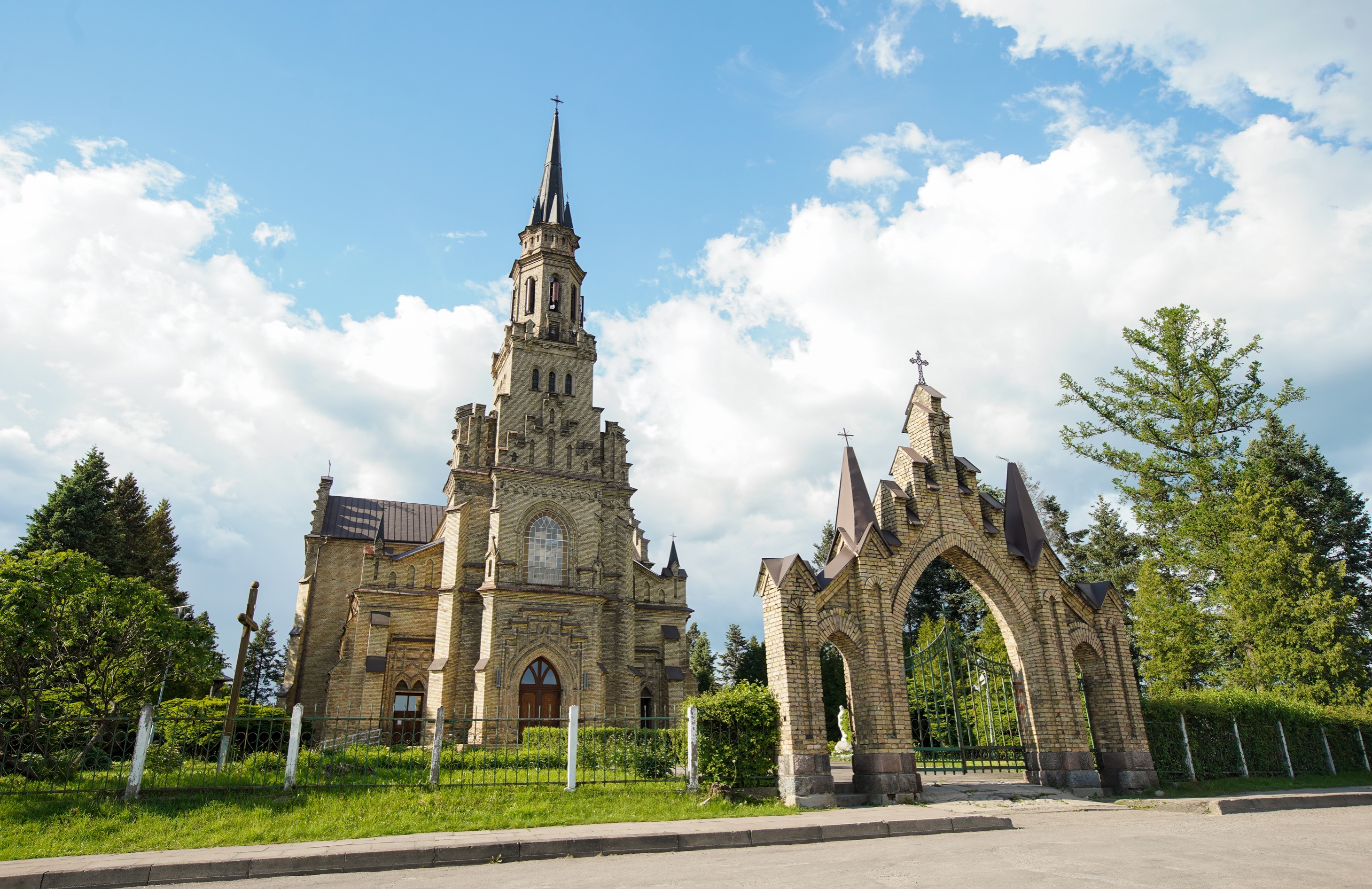
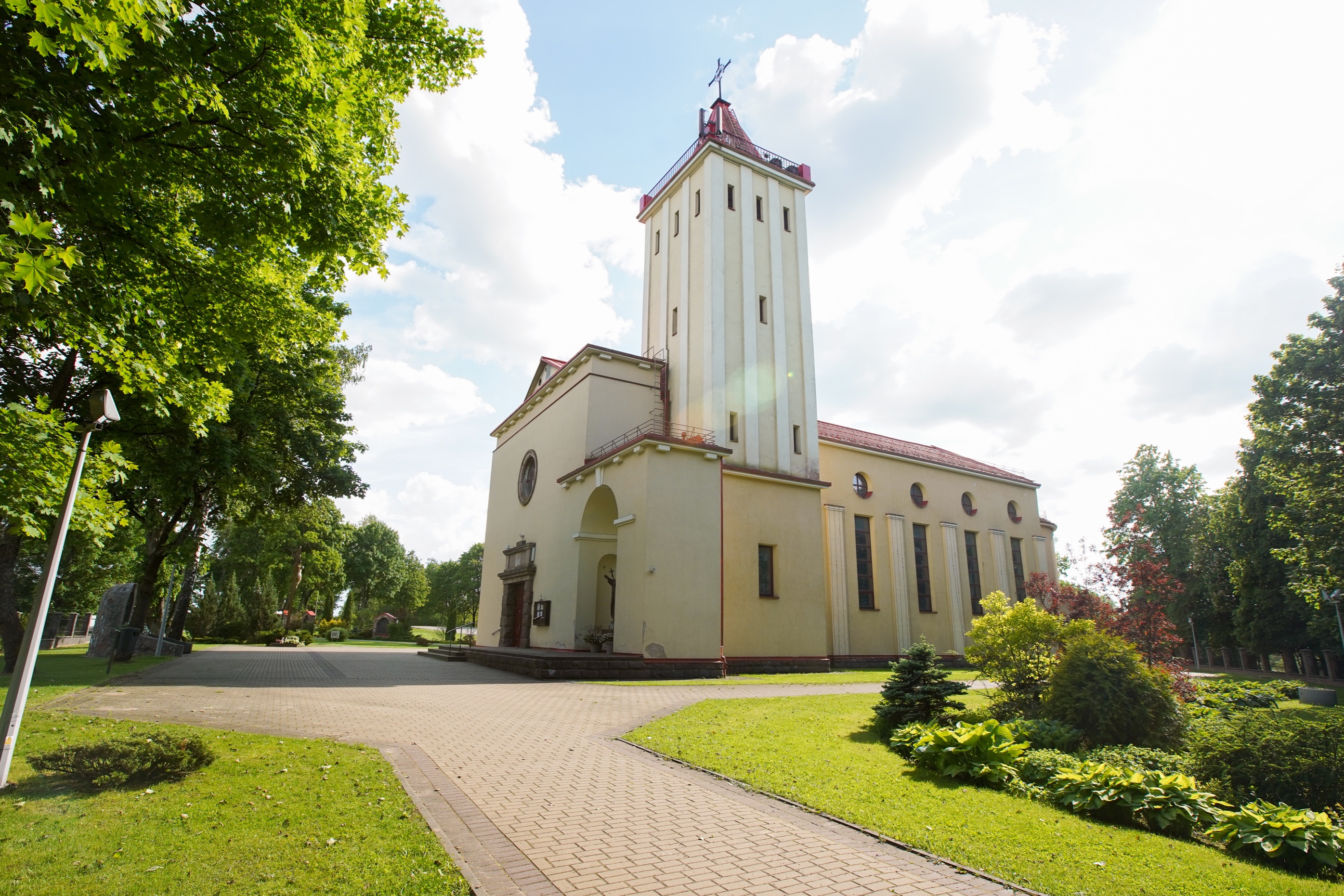
3. Church of Saints Peter and Paul

At the end of the 19th century, Novovileisk, which was growing rapidly, still had no adequate…

4. St Kazimiero Church

There are two Catholic churches in Vilnius dedicated to Saint Casimir in Vilnius, one at the Town…

5. ‘Mini-Castle’ Paper Mill

In response to the growing demand for agricultural machinery, the ‘Neris’ agricultural machinery…

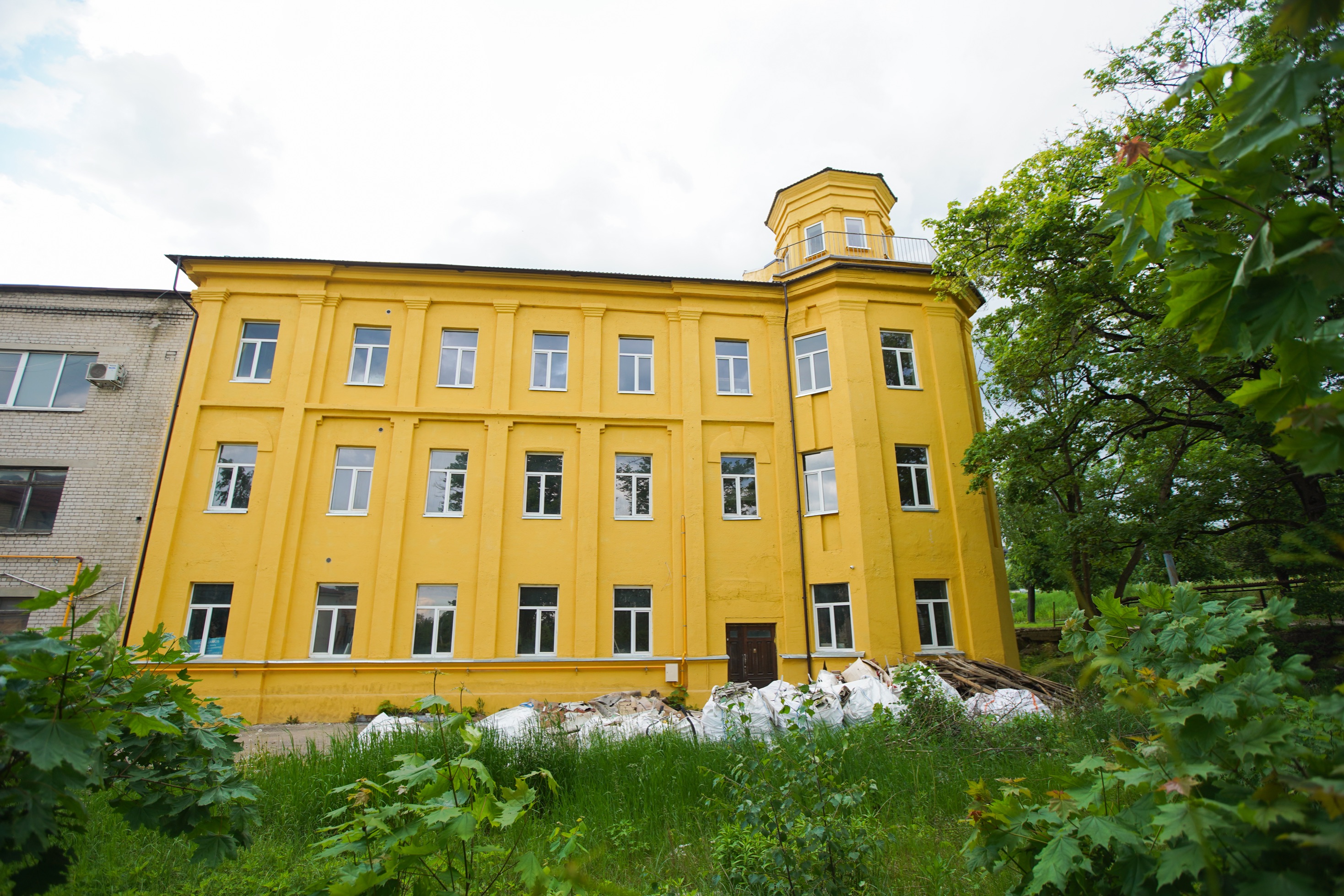
6. Mozer Brothers’ factory

At the end of the 19th century, industrial capitalists from the West were particularly drawn to…

7. Residential area

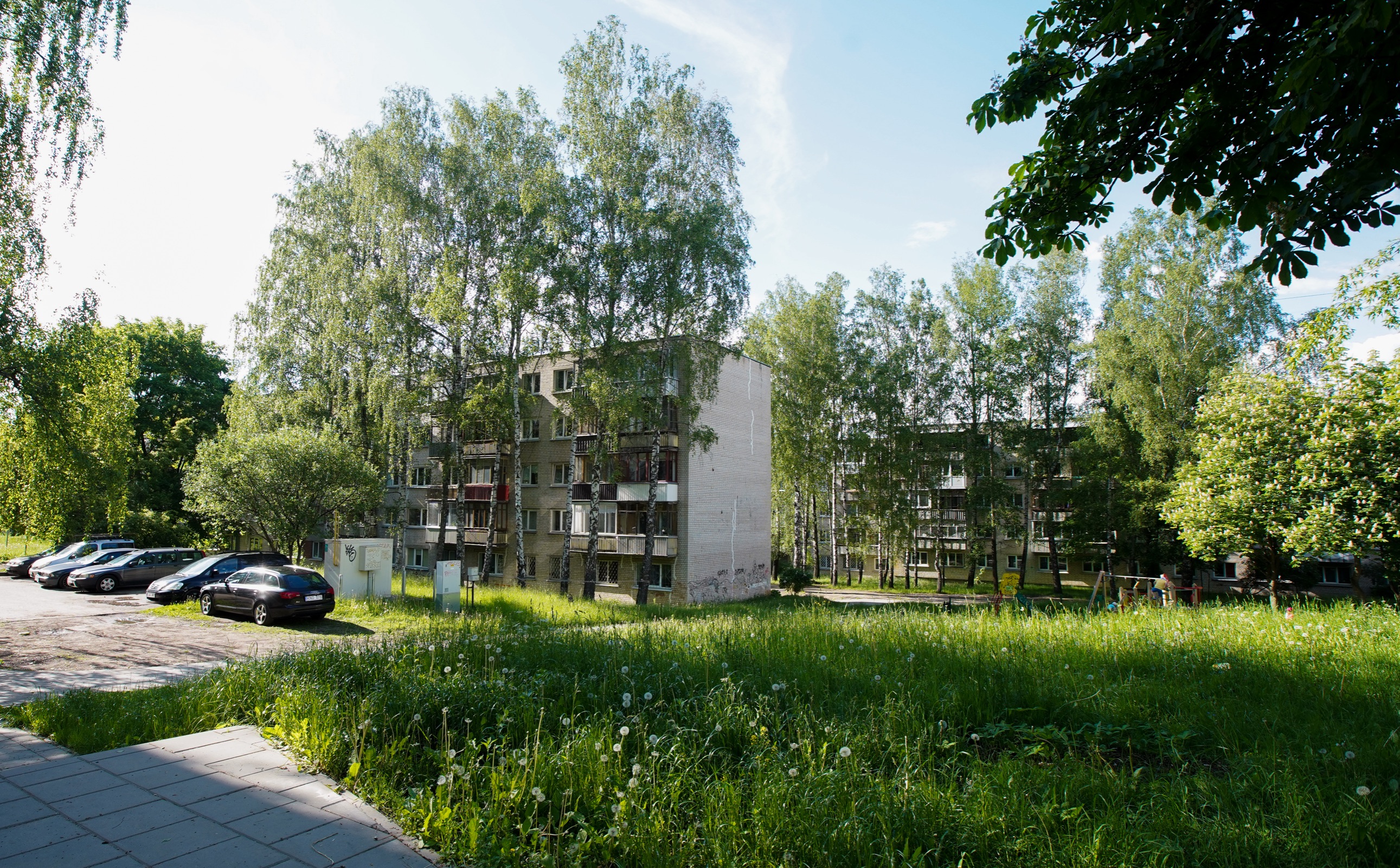
The parts of Naujoji Vilnia on opposite sides of the river are as different from each other as…

8. Psychiatric hospital

In the late19th century, the Russian Empire decided to build large district psychiatric hospitals,…

9. Church of the Blessed Virgin Mary, Queen of Peace

When Vilnius became part of Poland in the interwar period, the buildings of the psychiatric…

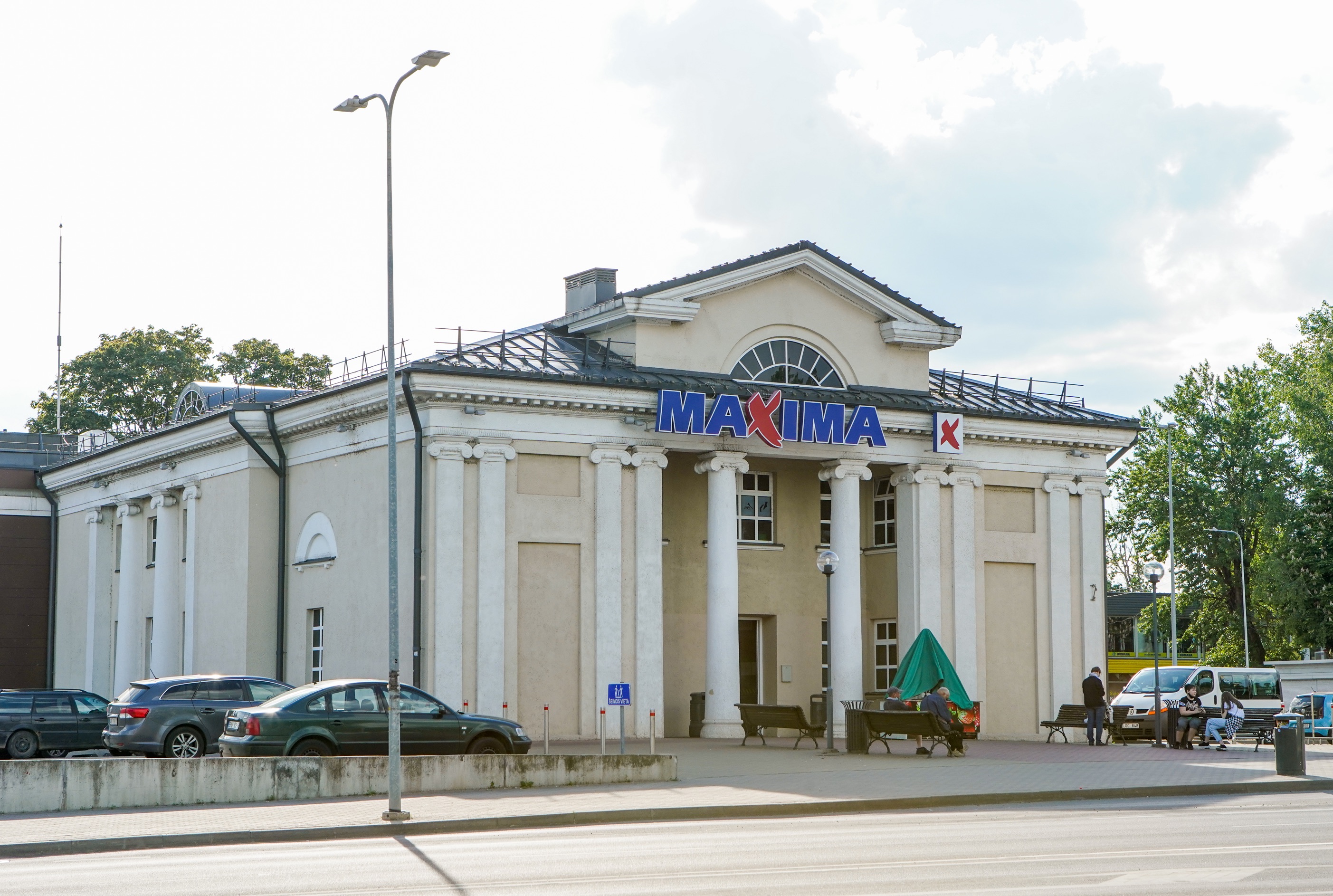
10. ‘Draugystė’

In 1959, the ‘Draugystė’ (Friendship) cinema was built in the centre of Naujoji Vilnia. Its design…

11. Railway station

It would not be wrong to say that the railway directly helped Naujoji Vilnia to grow. In 1871-1873,…

12. Dūmų fabrikas

In 1878, industrialists from Berlin set up a nail manufacturing company in the growing industrial…

13. Rokantiškių castle site

Let’s finish the journey as if turning the wheel of history and getting in touch with the…