Neakivaizdinis Vilnius Neakivaizdinis Vilnius
Architecture History

The Nine Bridges of the Vilnia

Water lapping on the green banks

Įrašo pavadinimas:

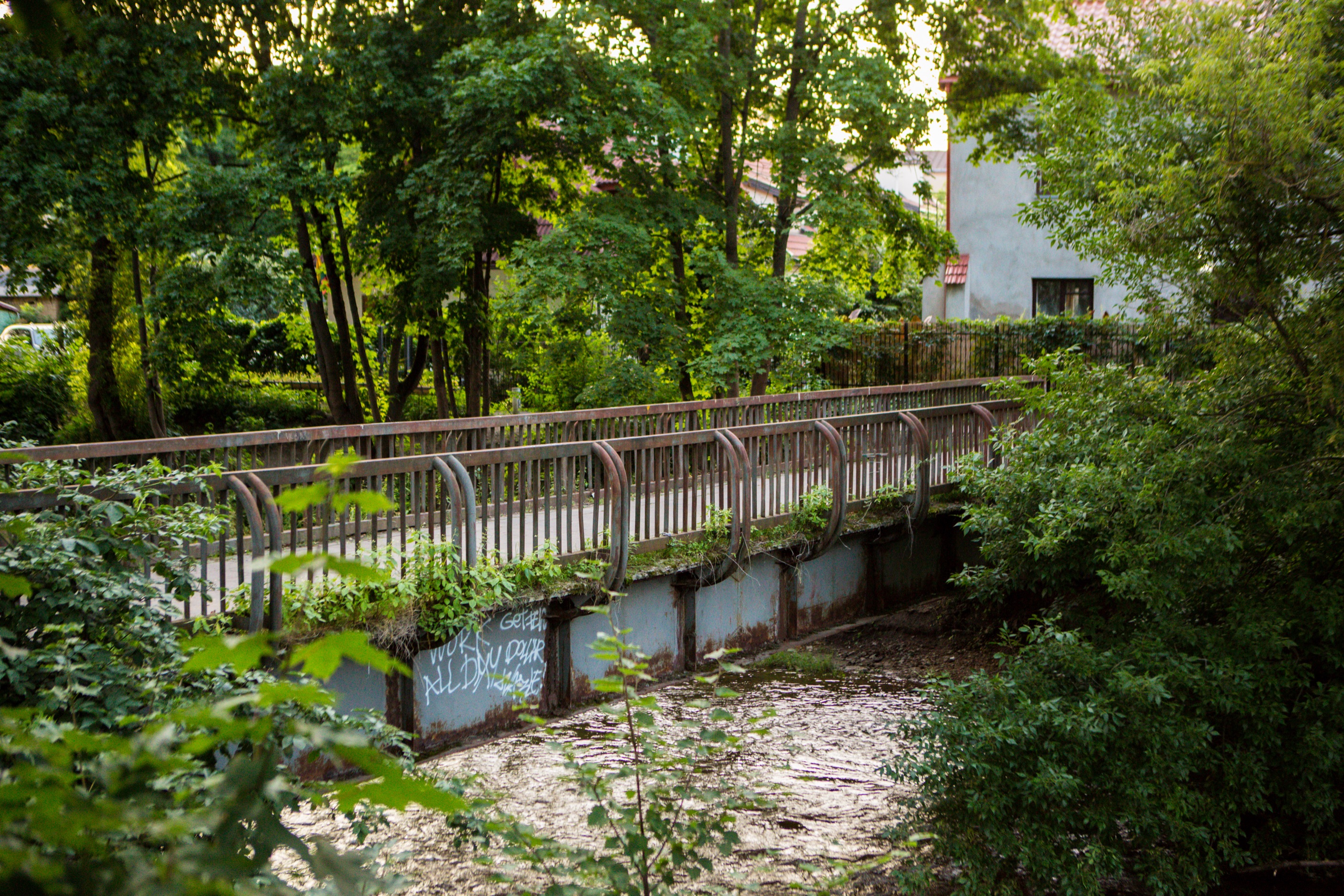
The Vilnia gave the city its name, defended it from those whose intentions were malevolent, and built its businesses and crafts.  But Vilnia also smothered, destroyed, carried, threatened, and challenged. Dams, stone embankments, bridges have somehow confused and tamed her. For the second century, it has already proved the perfect companion for leisure, fun, children’s play and precious family time.

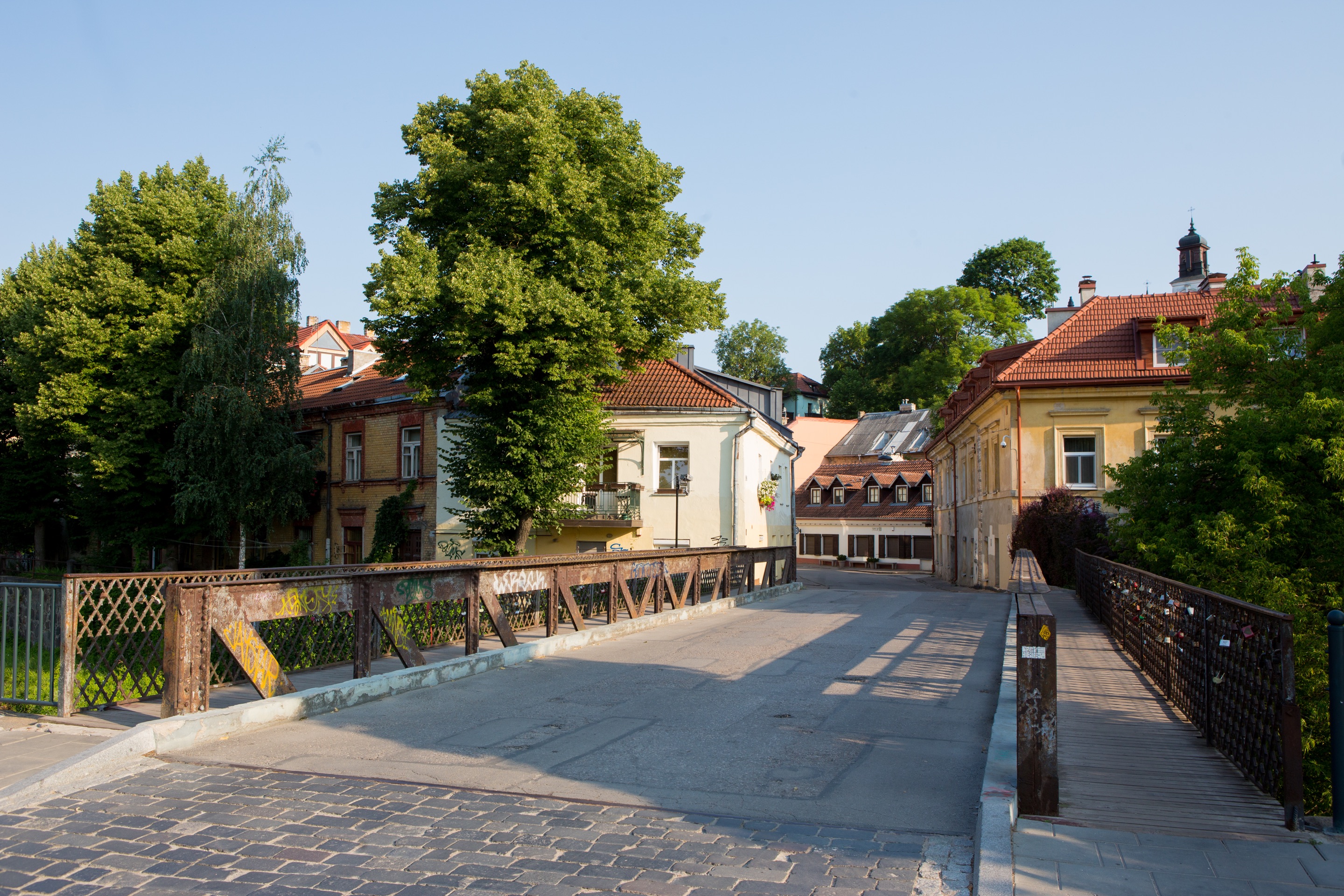
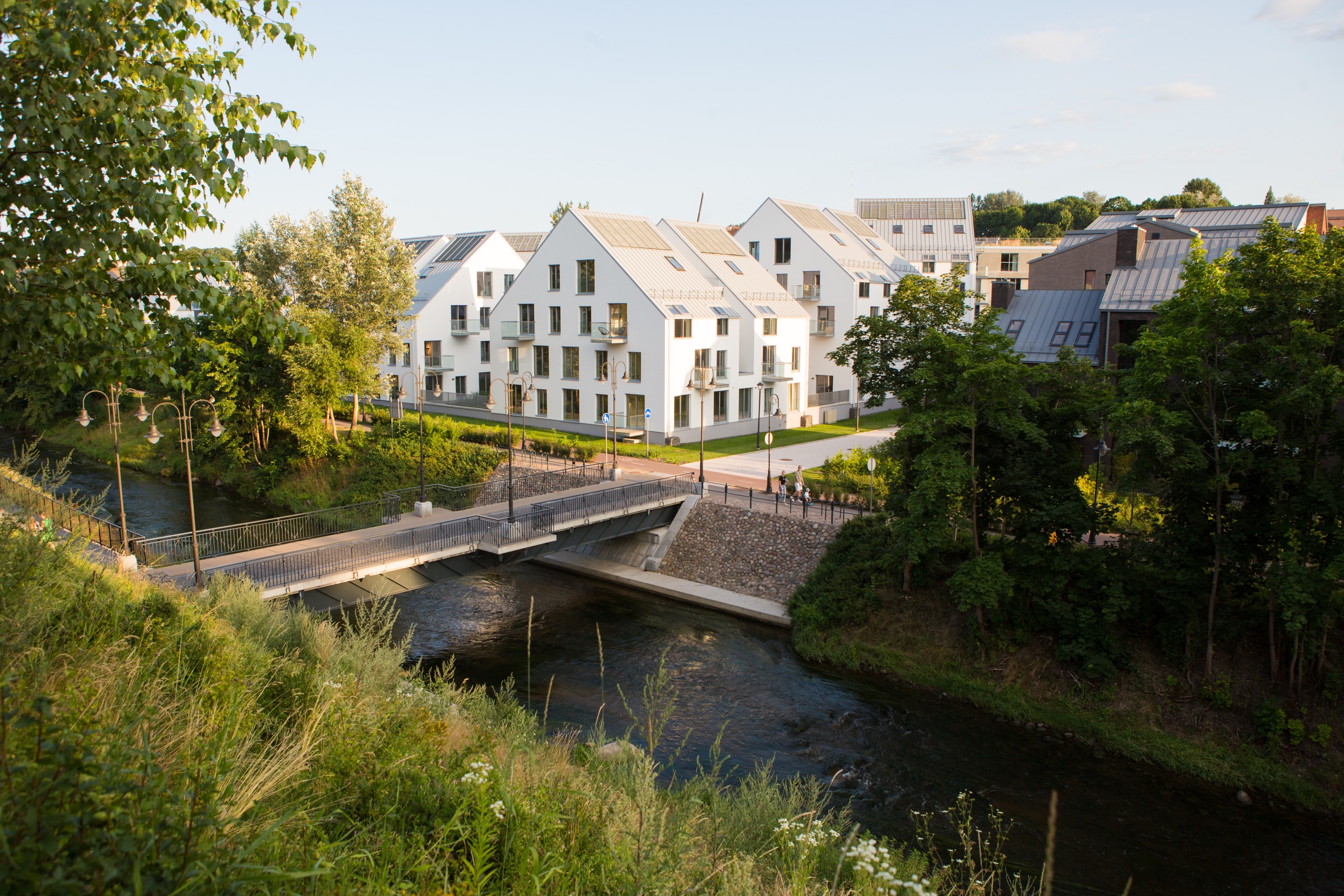
The banks of the Vilnia are a dynamic mix of dense greenery, cosy slopes to sit on and a rich tapestry of stories. We invite you to explore it by taking a short hike across and through the nine bridges of the Vilnia River, along its banks, taking a closer look at the familiar places and discovering the hiding places bypassed by civilisation. 

Just as Lithuanians like collecting wild strawberries on a bentgrass stalk (agrostis), we will place the greenery of Sereikiškės Park, the attractions of Bernardinai Gardens, the secrets of the charms of Užupis and the experiences of Paupis changes on the Vilnia riverbed.

Start location

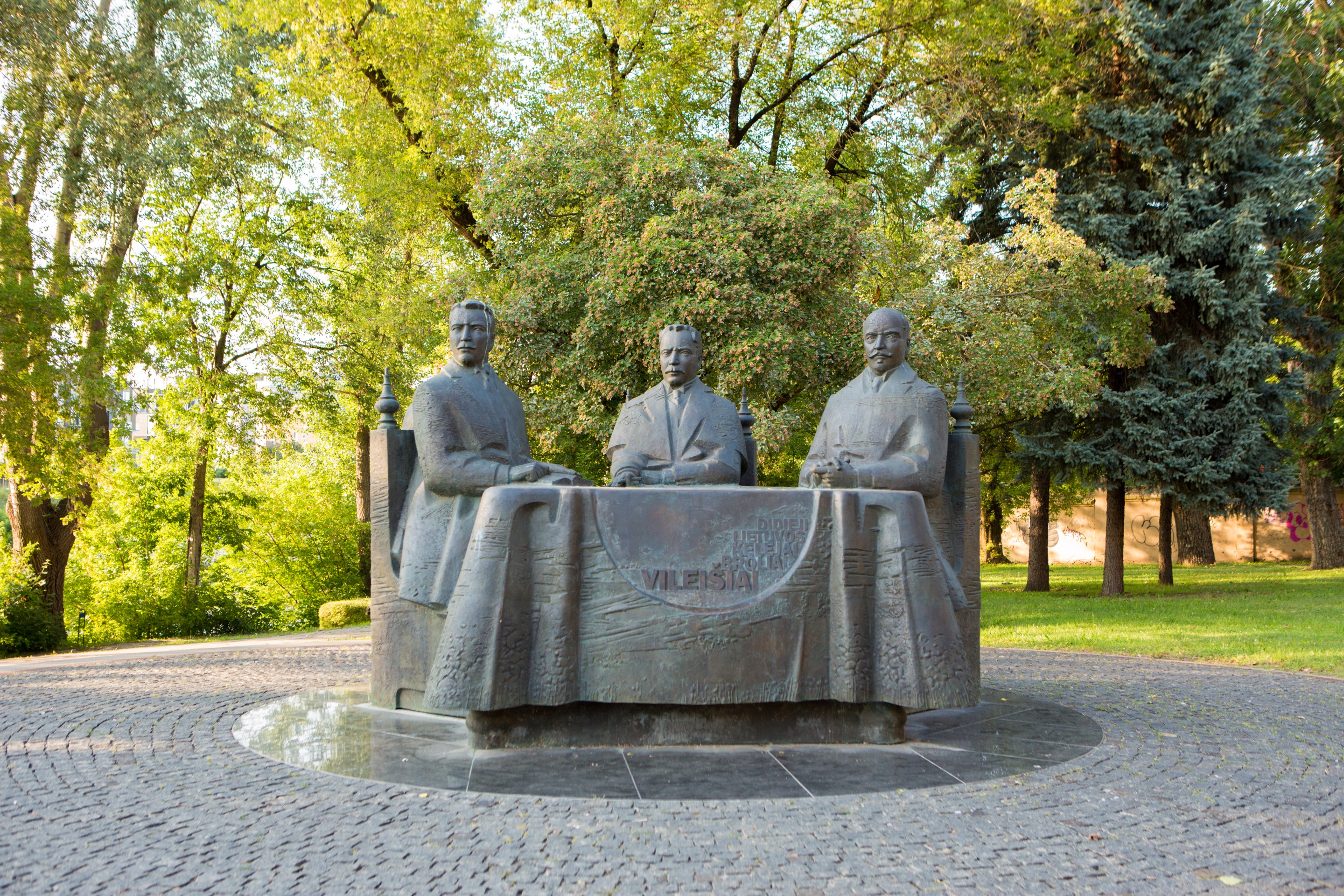
Monument to the Vileišiai brothers
T. Kosciuškos g.

Duration
1.30 h Without going inside
Distance
3,00 km
Means of travel
Pėsčiomis
Terrain
Lengvas
Pet friendly
Additional information
  • Suitable for traveling with pets
  • Not suitable for people with mobility problems and parents with children with strollers

Routed by Lina Dusevičienė; photos Vytautė Ribokaitė, Saulius Žiūra

1. Monument to the Vileišiai brothers (Kalbos keliu)

It is symbolic that we will be escorted on our journey by the brothers Jonas, Antanas, and Petras…

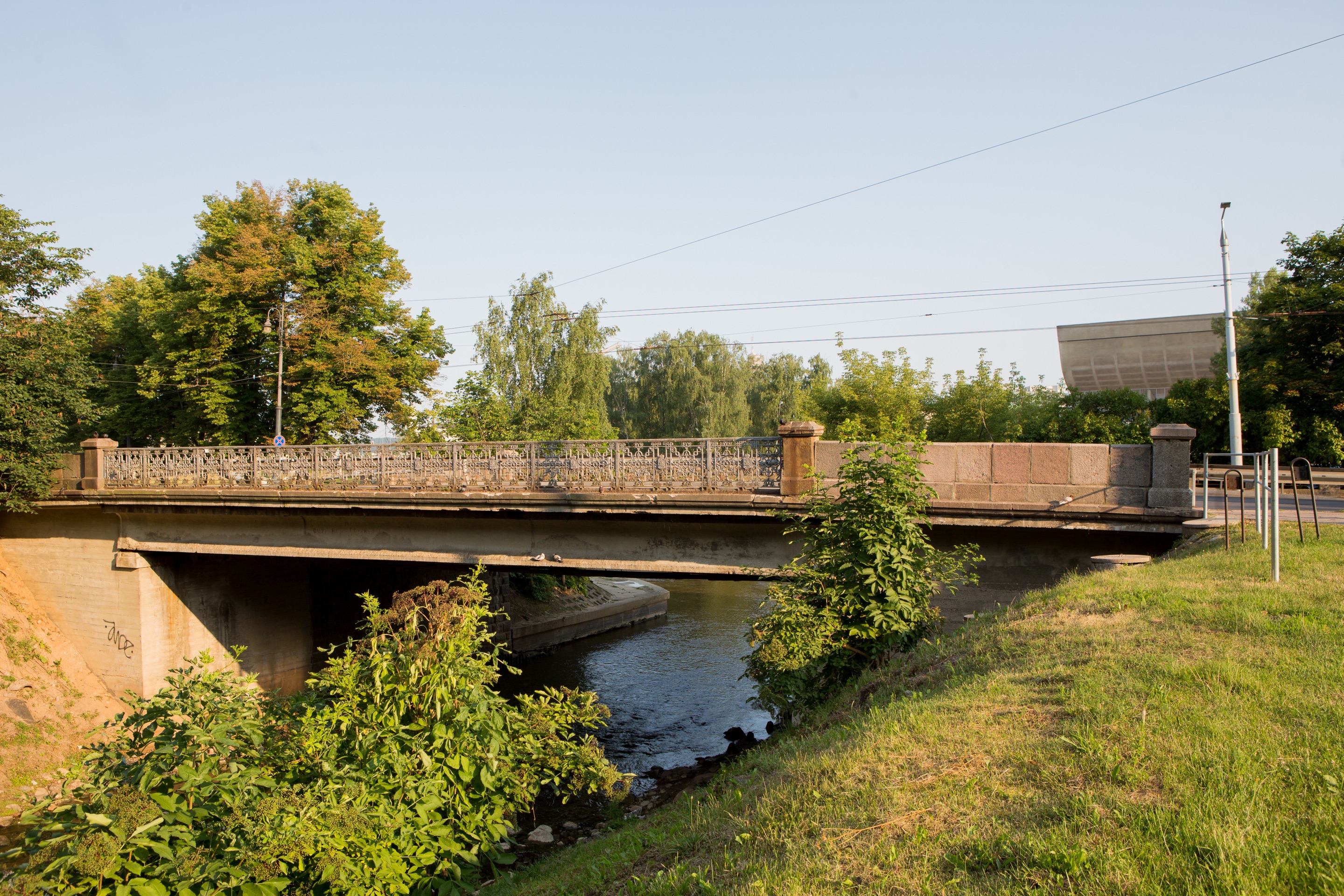
2. Castle Bridge over the Vilnia River

The Castle Bridge strengthens and connects the banks of the Vilnia River, which have widened at the…

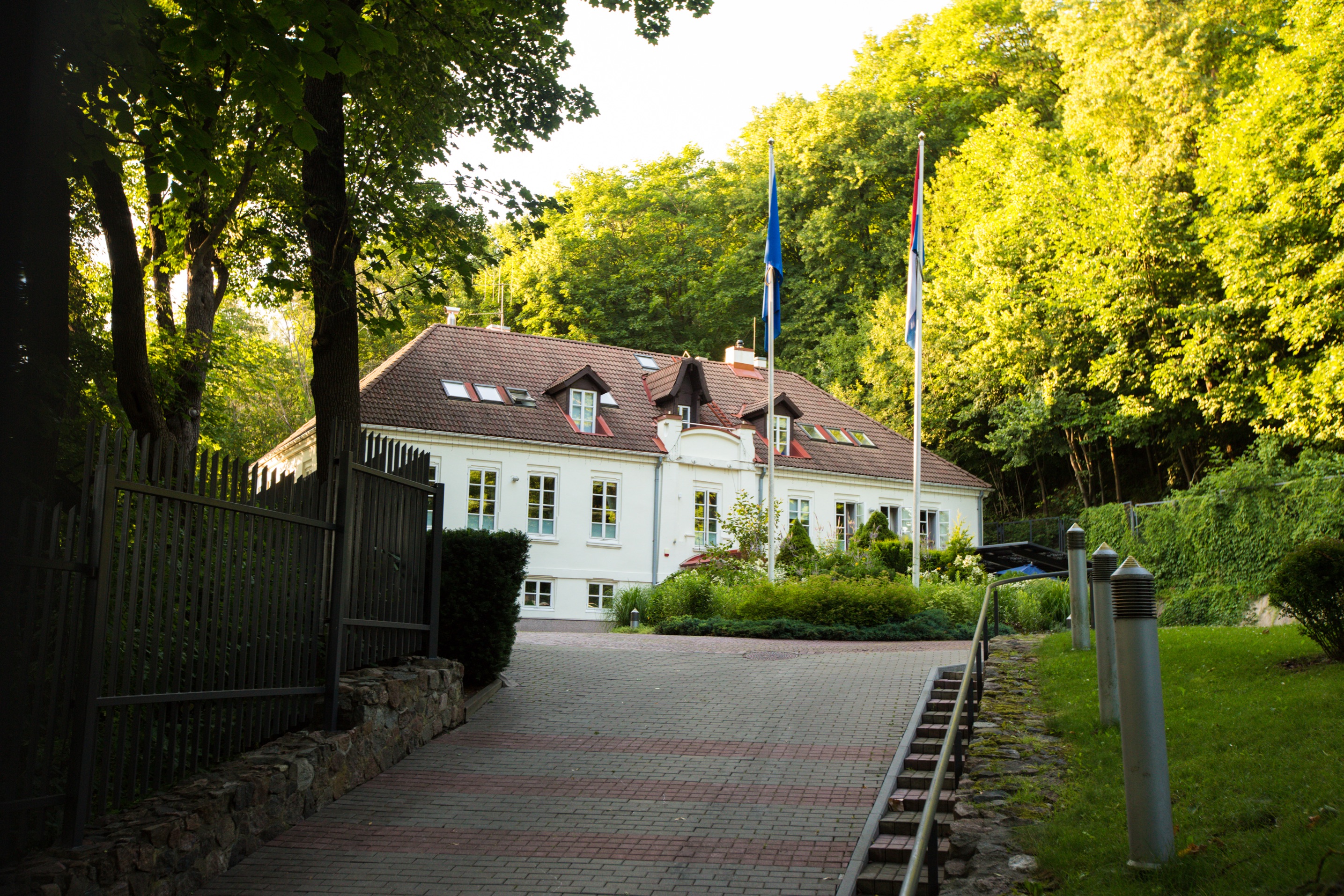
3. Footbridge and the Bajorų Summer Club (now the Royal Residence of the Dutch Ambassador)

After passing the Arsenal and the tennis courts, you will reach a pedestrian bridge built in the…

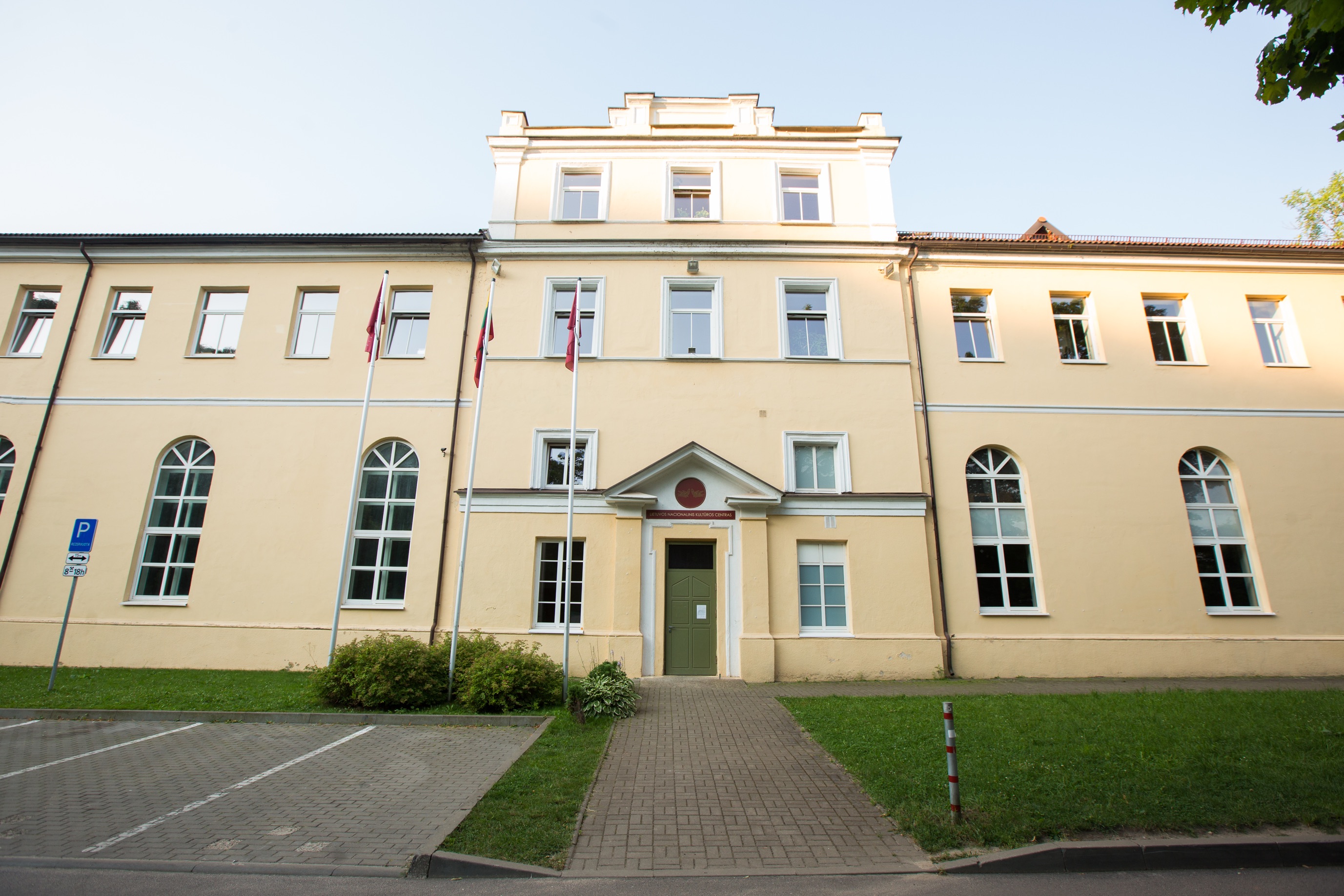
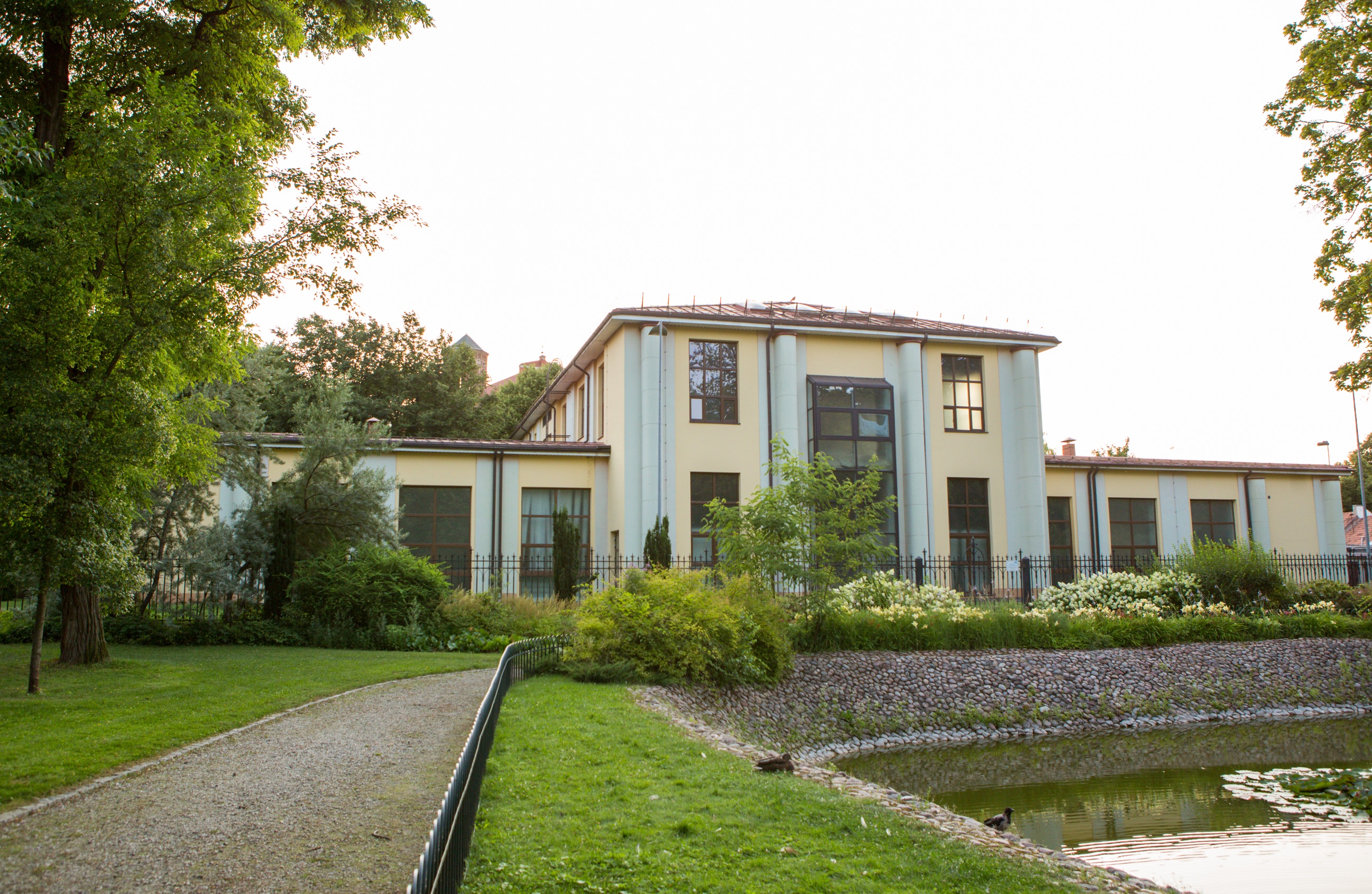
4. Botanical Garden Study Centre (now the Lithuanian National Cultural Centre)

Much of the University Botanical Garden complex was made of bricks from the destroyed Palace of the…

5. Sereikiškių Park and Bernardinų Gardens

Walking along the left bank of the Vilnia River, we will encircle the territory of Sereikiškių Park…

6. The first pumping station of Vilnius Central Water Supply

The Bernardine Monastery already had an independent and technologically advanced water supply…

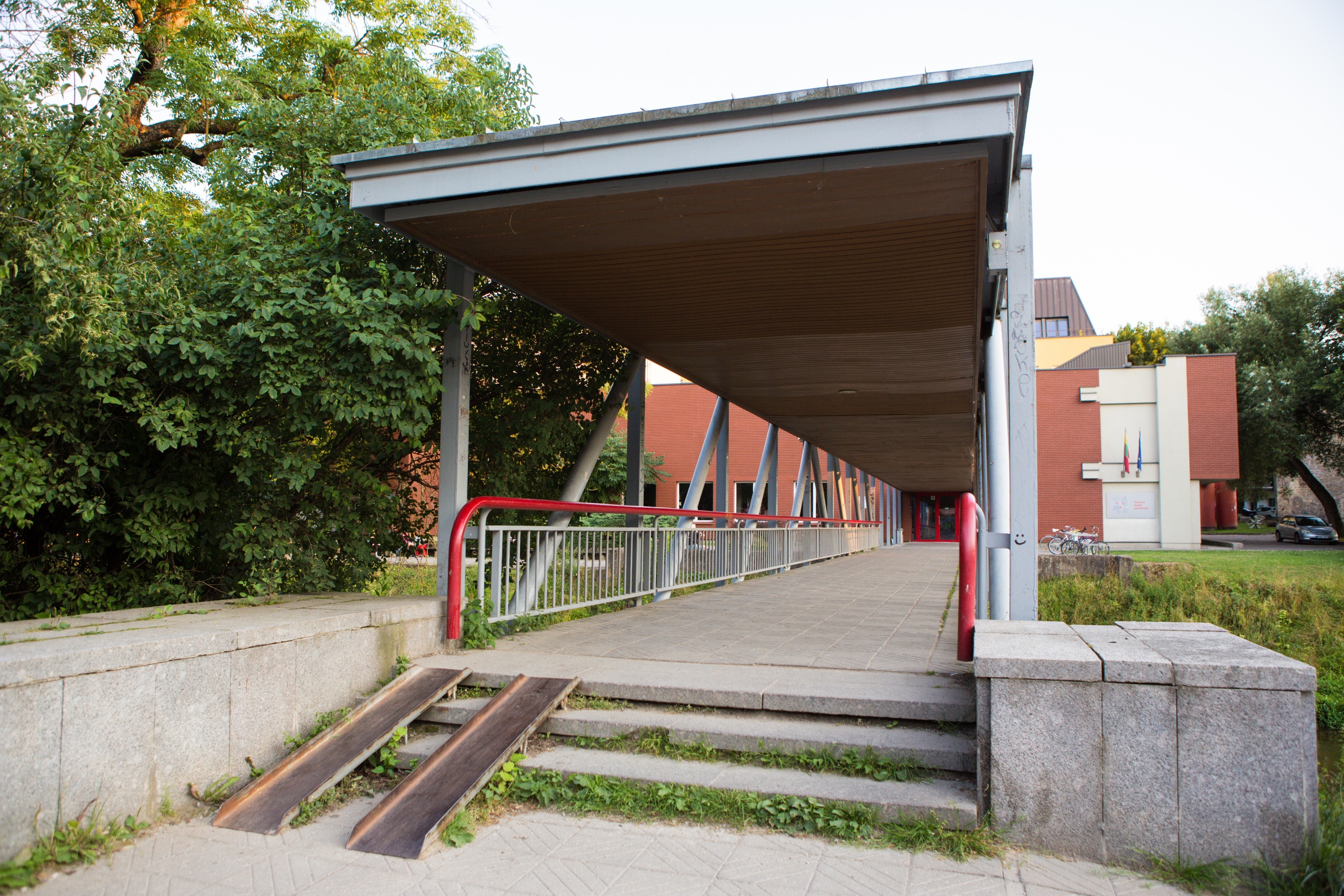
7. ‘Fluxus’ Bridge

We leave the park and head towards Užupis by crossing the covered ‘Fluxus’ bridge,…

8. Bernardinų (Malūnų Street) Bridge

The construction of reliable stone bridges at the end of the 19th century was the result of the…

9. The Barliament of the Republic of Užupis

What makes the oldest suburb of Vilnius unique is the Vilnia stream that encircles it on three…

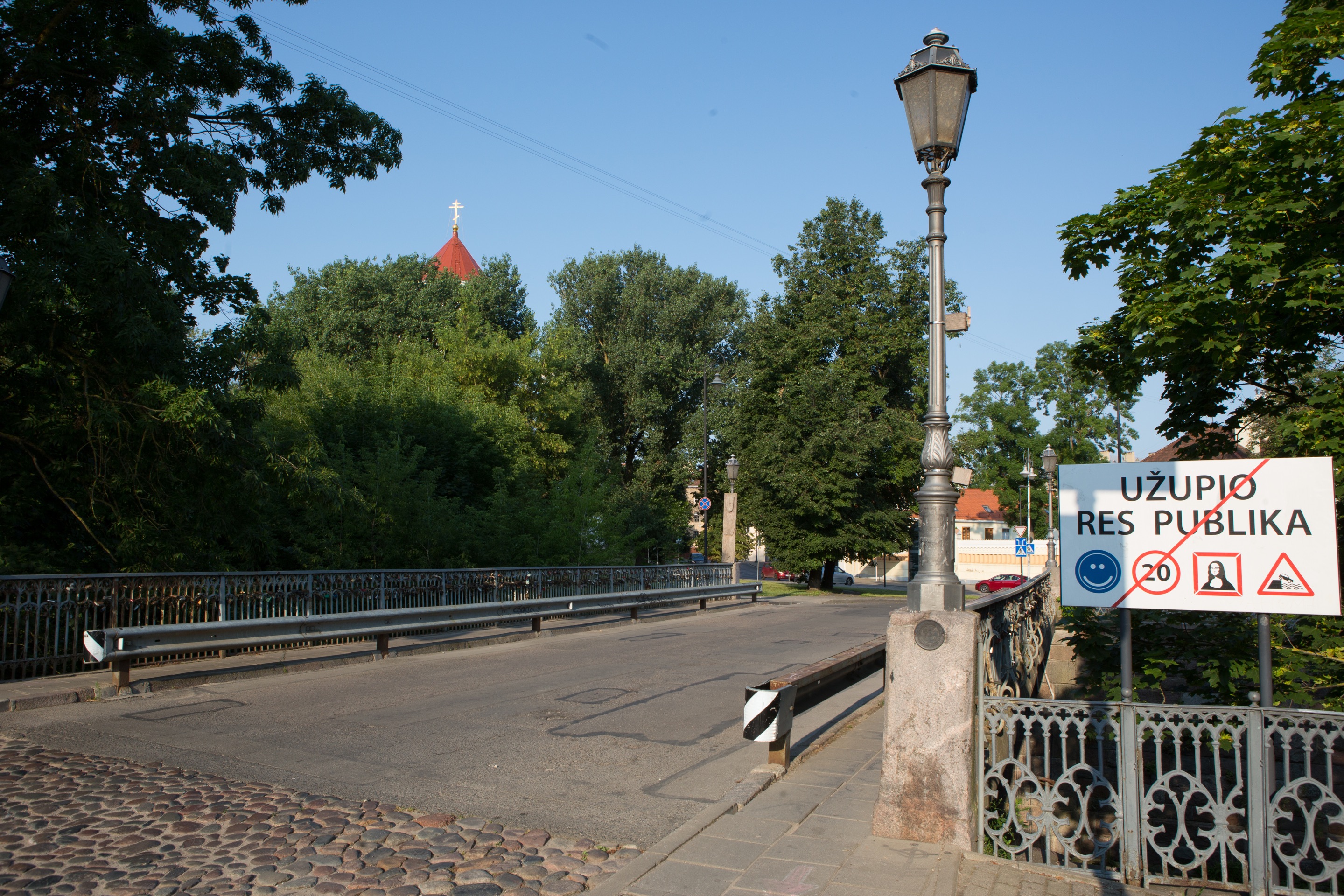
10. Užupio Bridge

Due to the city’s most important mill and the salt transport route from the East, a wooden bridge…

11. The waterfront between the bridges of Monmartre and Paupys

It would be just as Užupis fun to sneak in and out of the gateways. On Paupio g., after passing the…

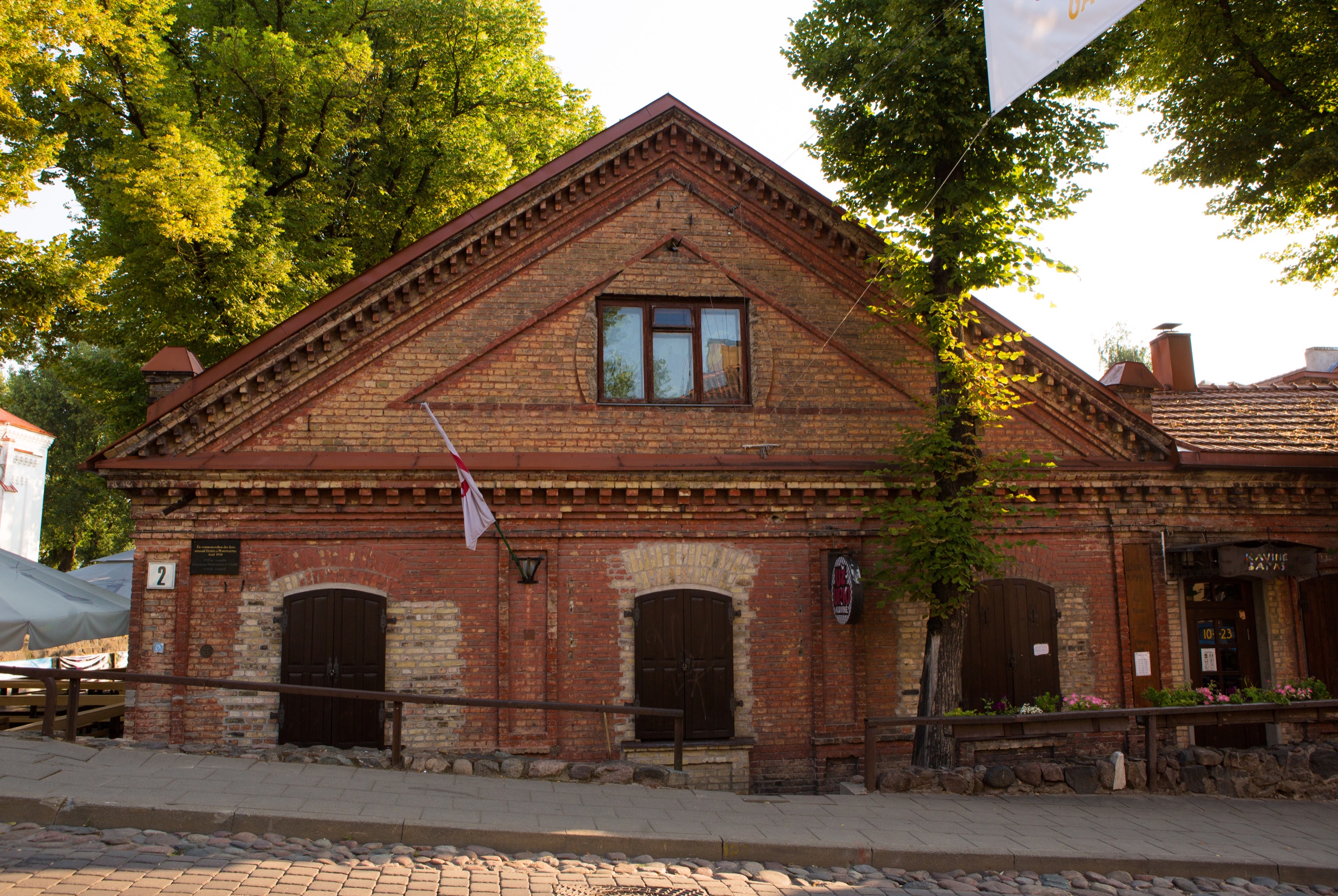
12. Paupio block on the site of Paplauja

In the middle of the Paupis quarter, there are a few old buildings left, reminiscent of…

13. The ‘Užupio krantinės’ low-rise residential district

Only five years ago, another legacy of Soviet industry – the imposing yellow-brick monster of the…