Neakivaizdinis Vilnius Neakivaizdinis Vilnius
Architecture

The Portals of Vilnius

Old Town doors and gates

Įrašo pavadinimas:

The door can be considered one of the oldest and essential elements of architecture. Small openings to the first dwellings were covered with furs, only through them light entered. The doors also reflect cultural and geographical peculiarities.
For example, in ancient times, doors and city gates were guarded by two-faced deities who watched both sides at the same time. Low doors led to a peasant’s hut, high, wide openings – to monumental palaces and churches. In Lithuanian folk customs, the door threshold is mentioned at all important stages of a person’s life – birth, marriage, death. A persecuted Christian becomes safe as soon as he crosses the threshold of the church door.
A door serves two different purposes: an opening that connects different spaces and a partition that isolates them. Throughout the ages, people have sought to strengthen this weak part by symbolic means. Door aesthetics changed along with architectural styles. 20th century there was a sudden leap in development, the traditional meaning of doors began to be changed by technology and new materials.

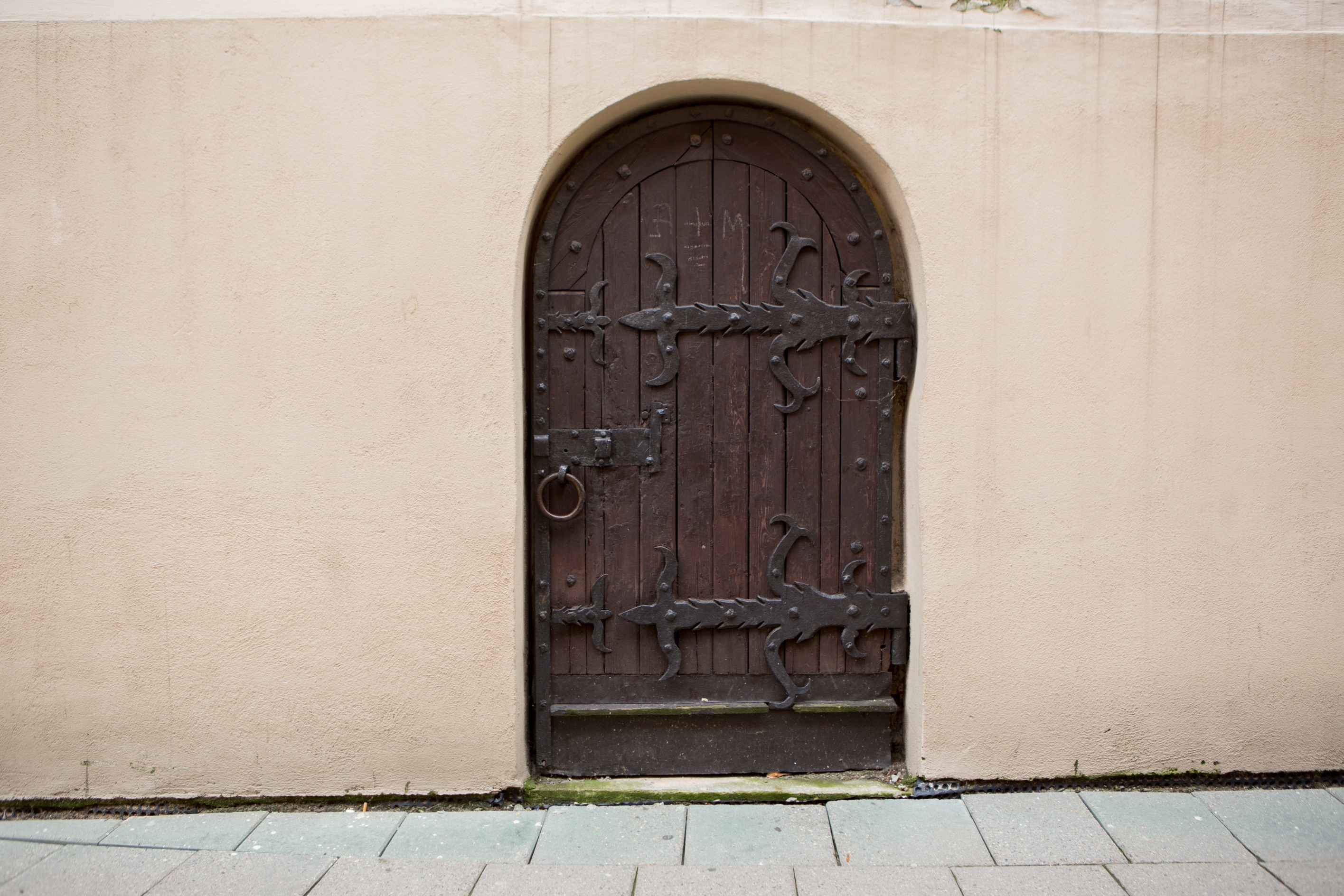
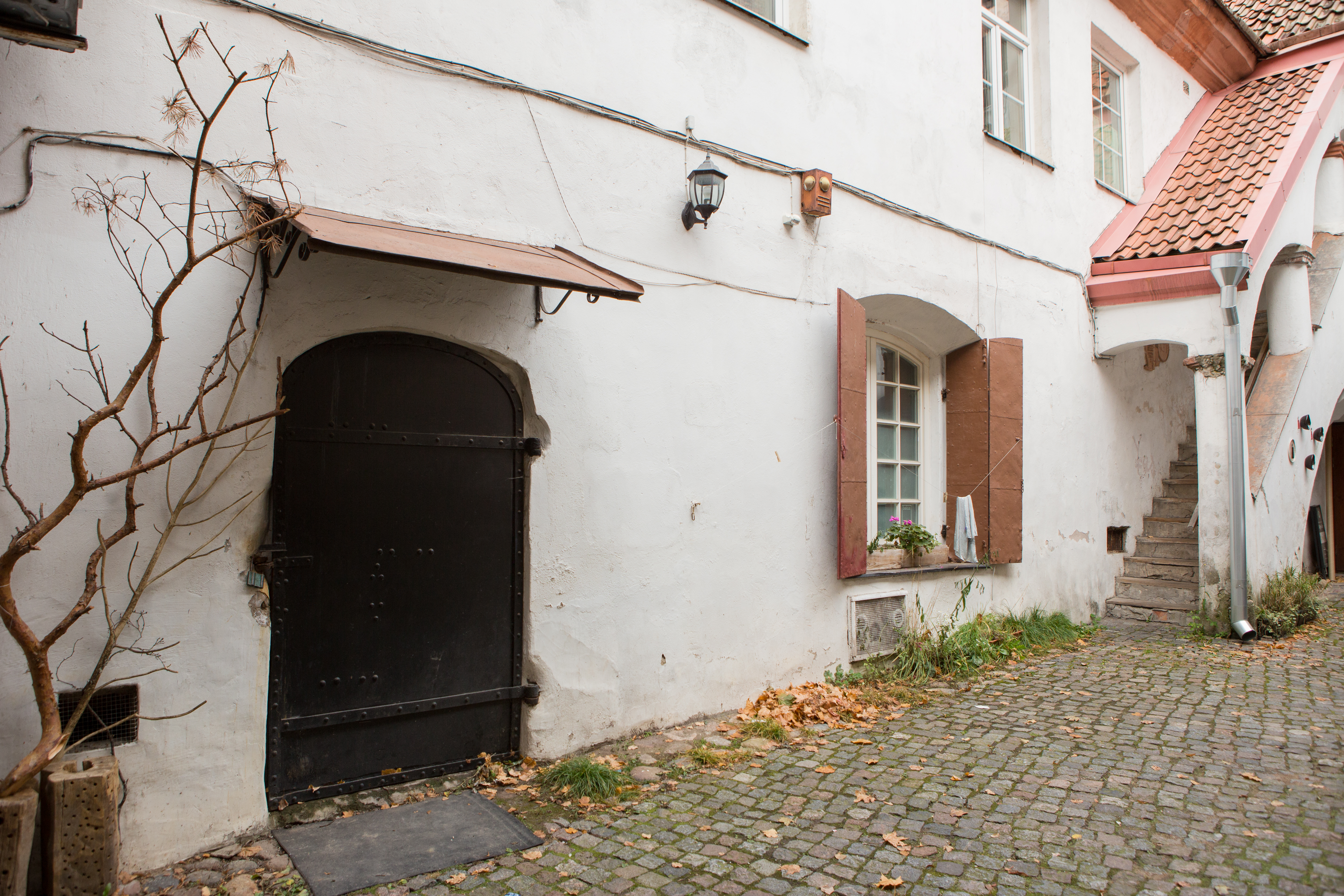
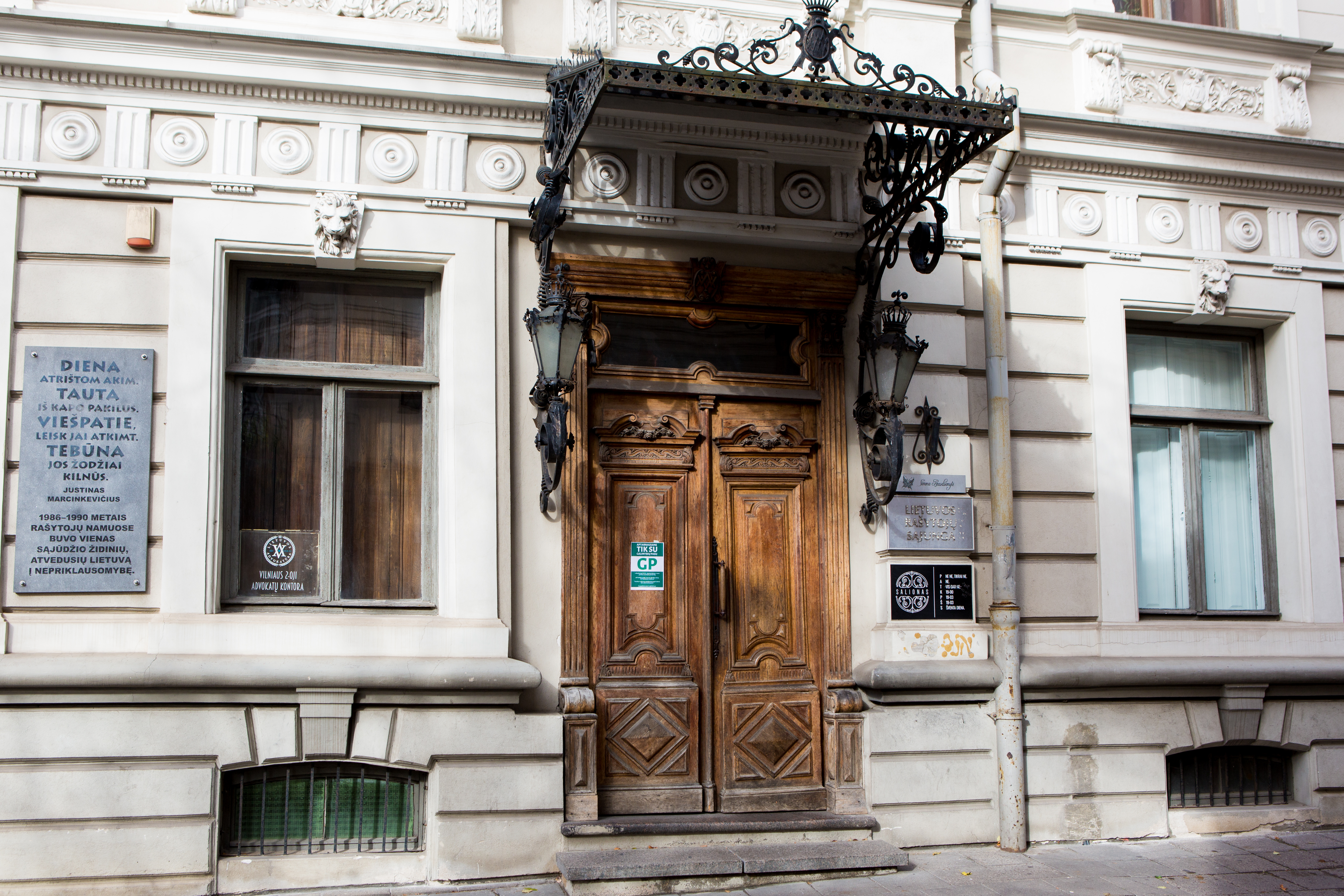
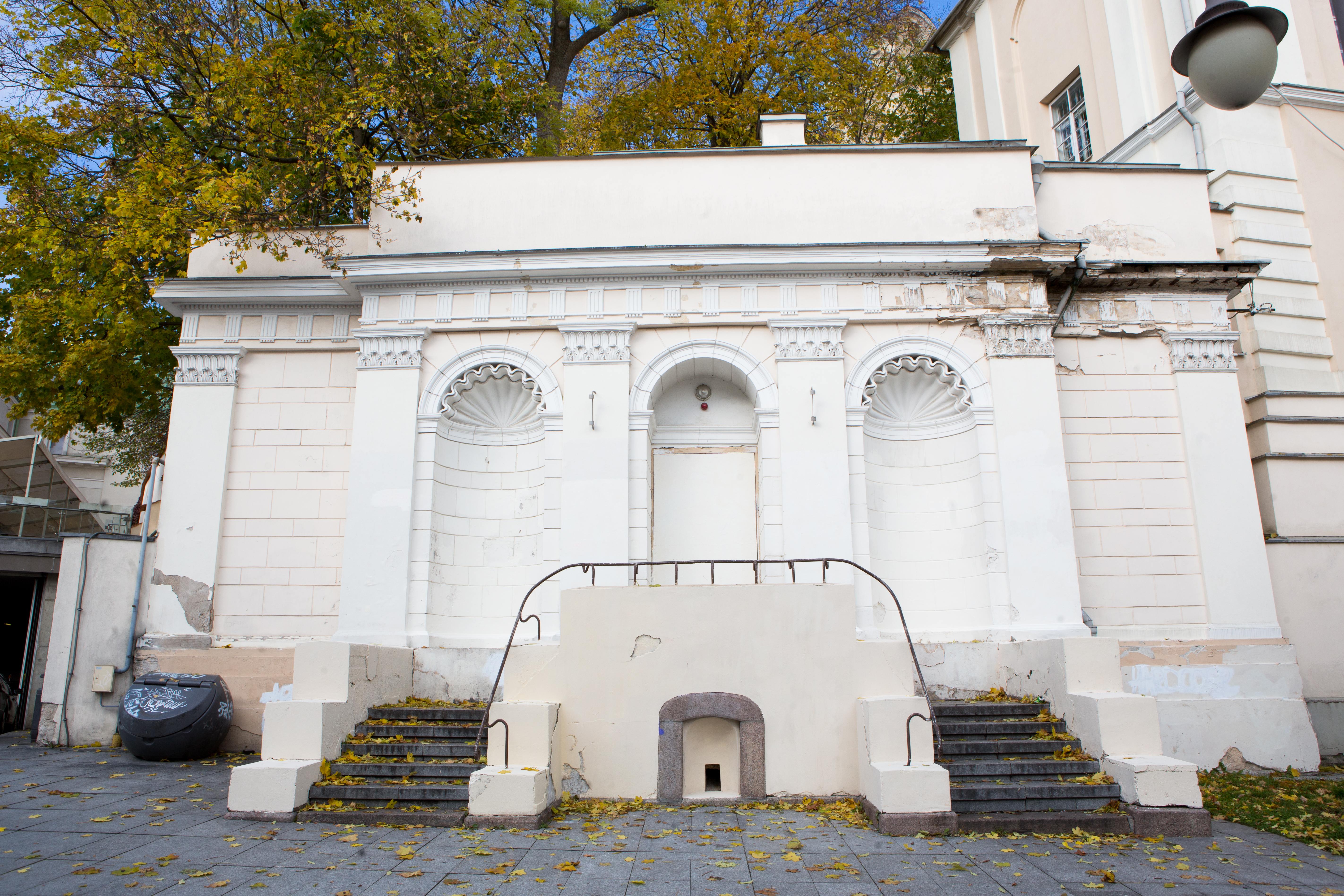
As you travel through the main streets of the old town, look not only at the entrances and doors marked on the route, but also pay attention to other doors and gates. What are they? Tall or short, new or old, what color, decor, handles. Finally, are they blind or inviting?

We recommend viewing the general view of the entrance from a greater distance or across the street, then come closer to view the details.


Start location
Trakų g. 1
Duration
1.30 h Without going inside
Distance
4,00 km
Means of travel
Pėsčiomis
Terrain
Lengvas
Pet friendly
Additional information

Additional information: The stony pavement makes it difficult for people with reduced mobility and parents with children in pushchairs to visit sites 1-8. The courtyard of the A. Mickiewicz Museum is not accessible through the gate with a wheelchair. In this case, it is recommended to follow part of the route, choosing the following order of objects: 11, 10, 9, 12, 13, 14, 15.
It is possible to visit with pets without going inside the facilities.

Routed be Julija Kodytė.

Photos Julija Kodytė, Vytautė Ribokaitė.

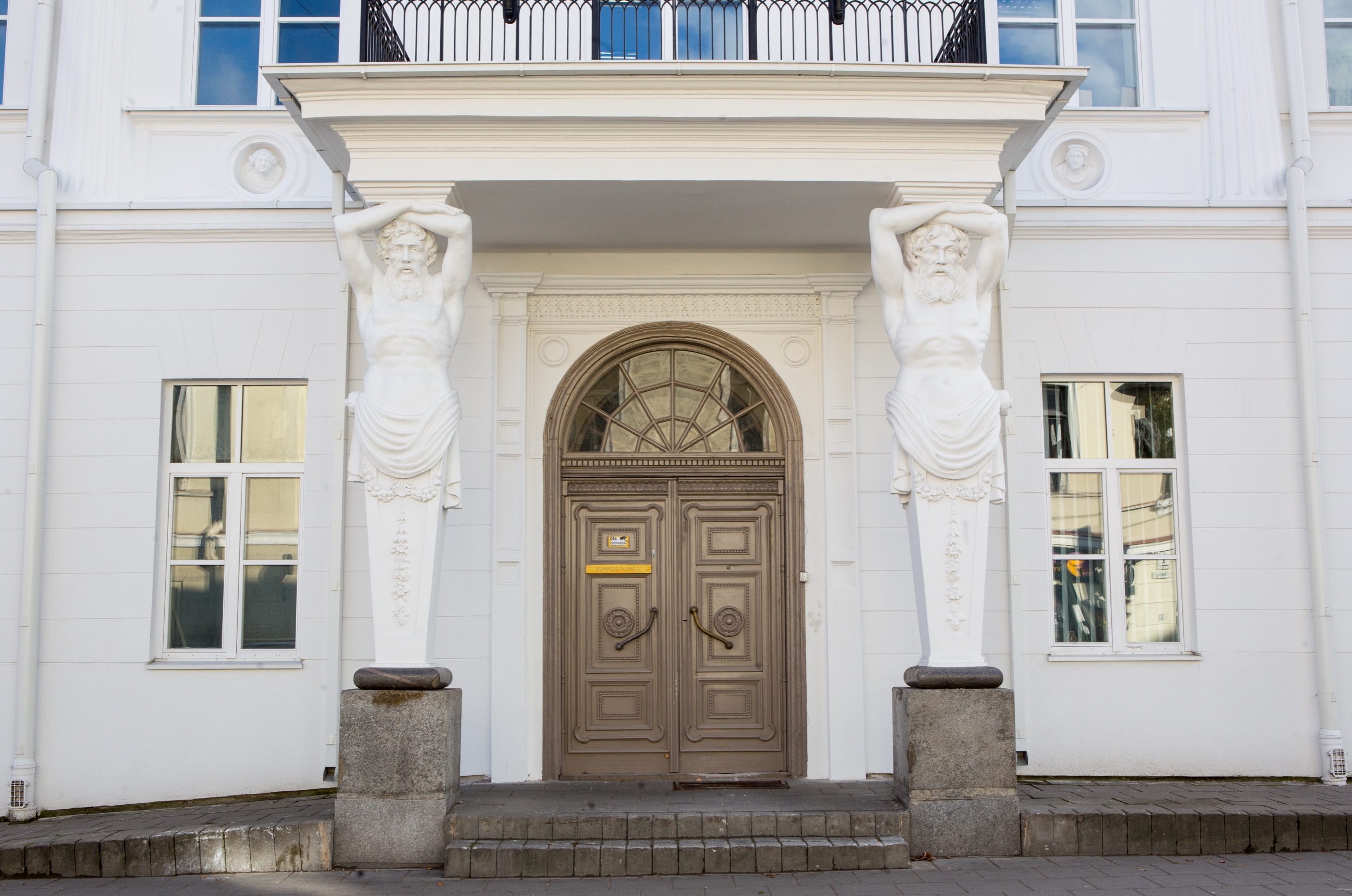
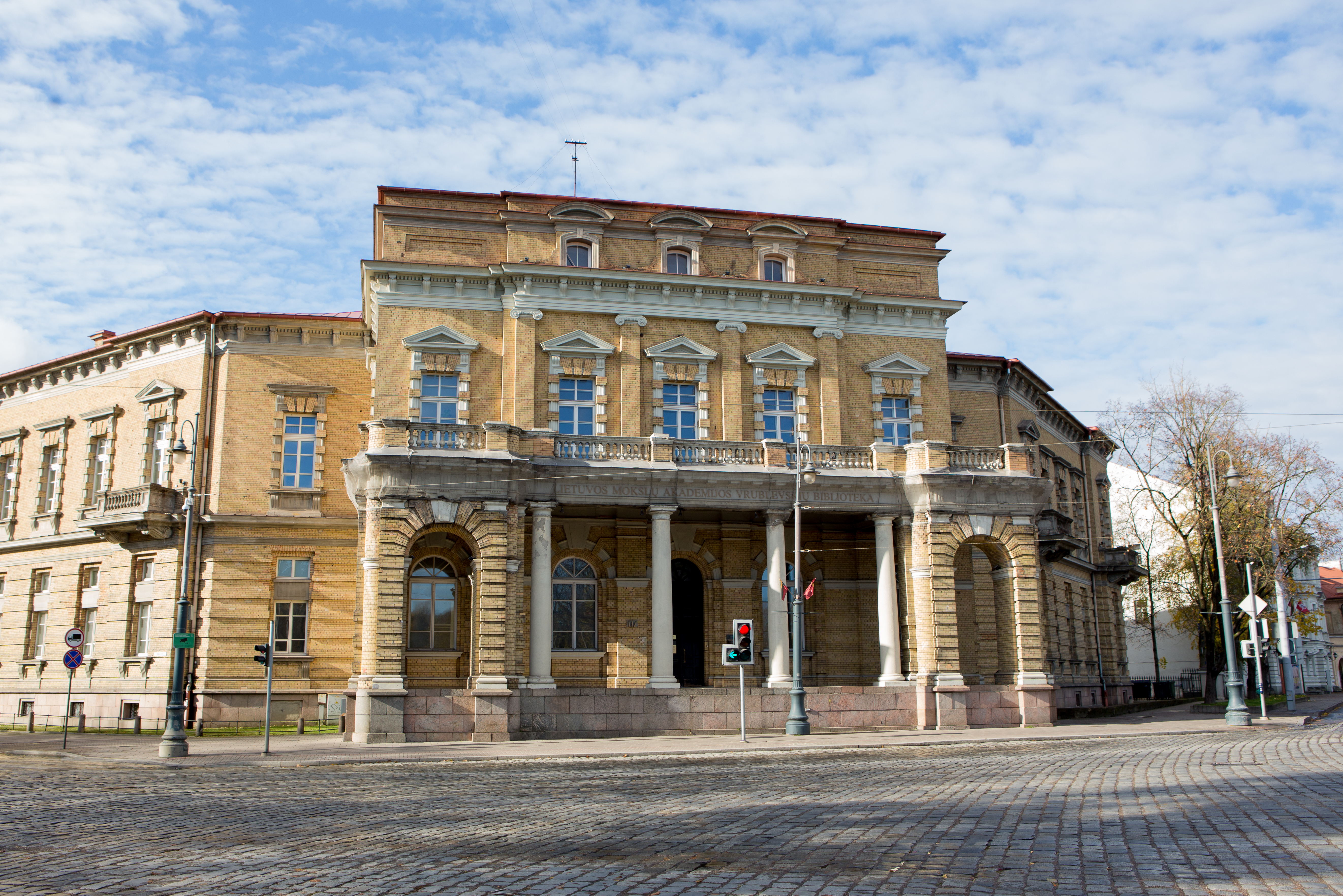
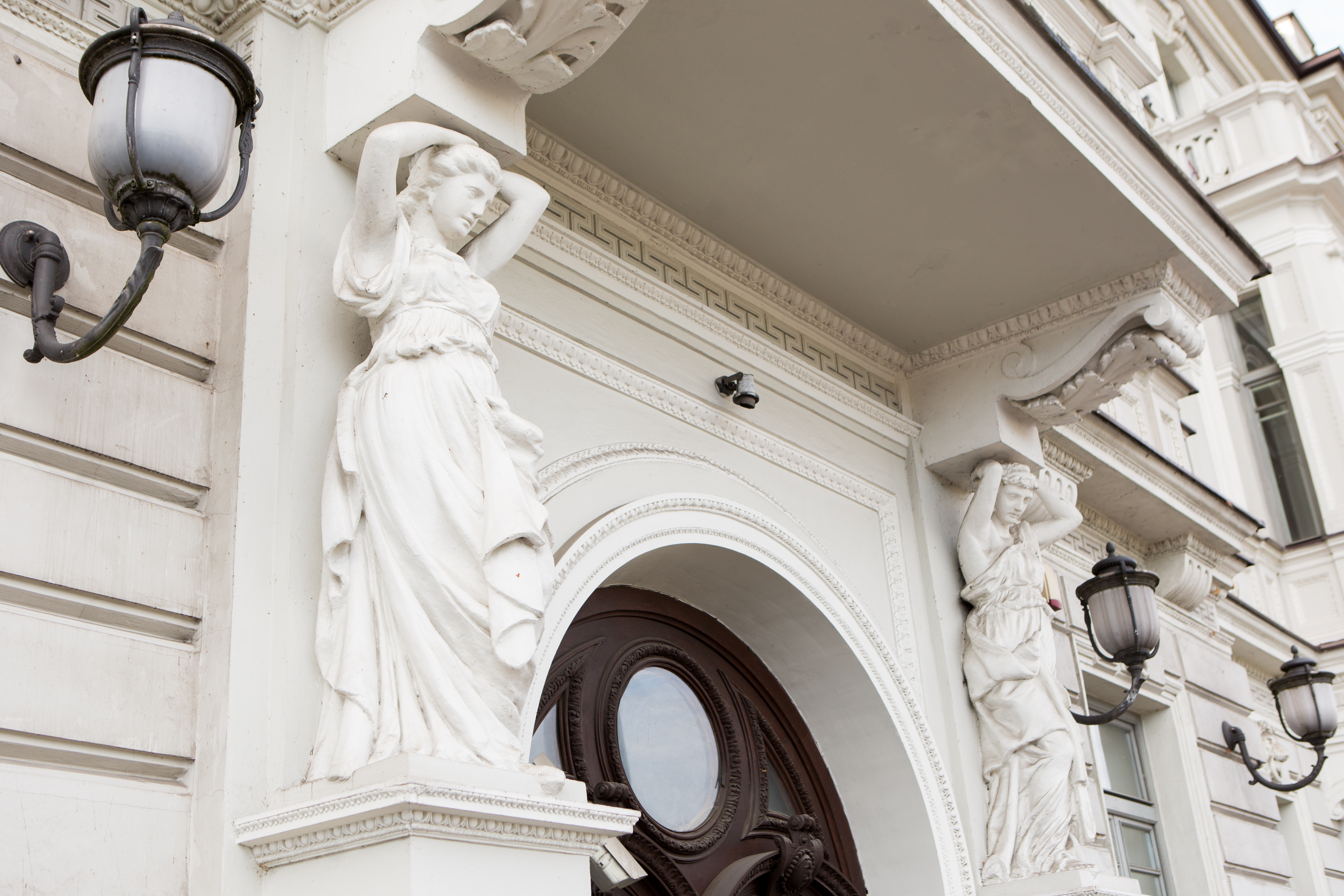
1. The Atlases guarding the porch

The balcony of the building at Trakų g. 1 is supported by two muscular, bearded men. They are…

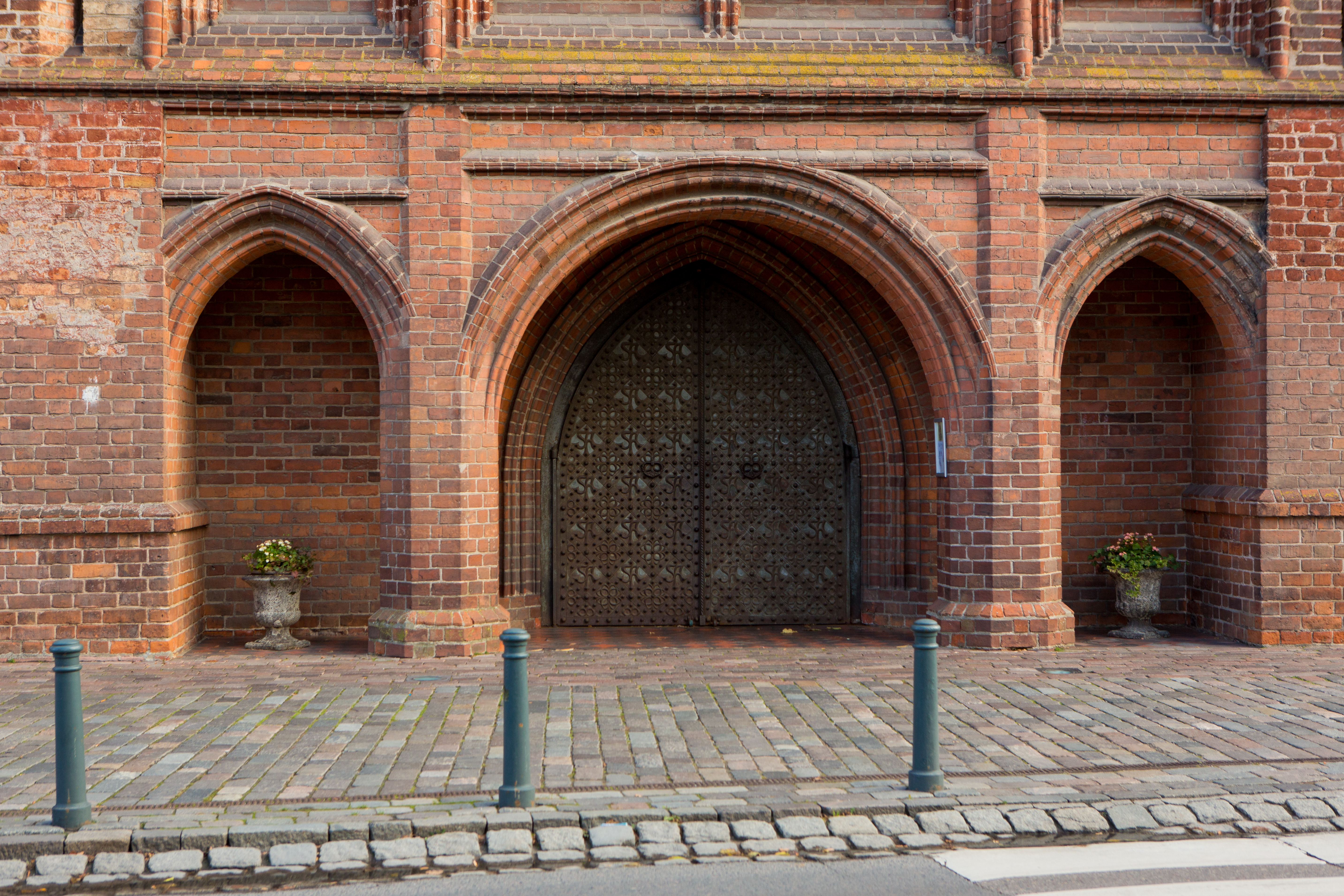
2. The Dominican Church door

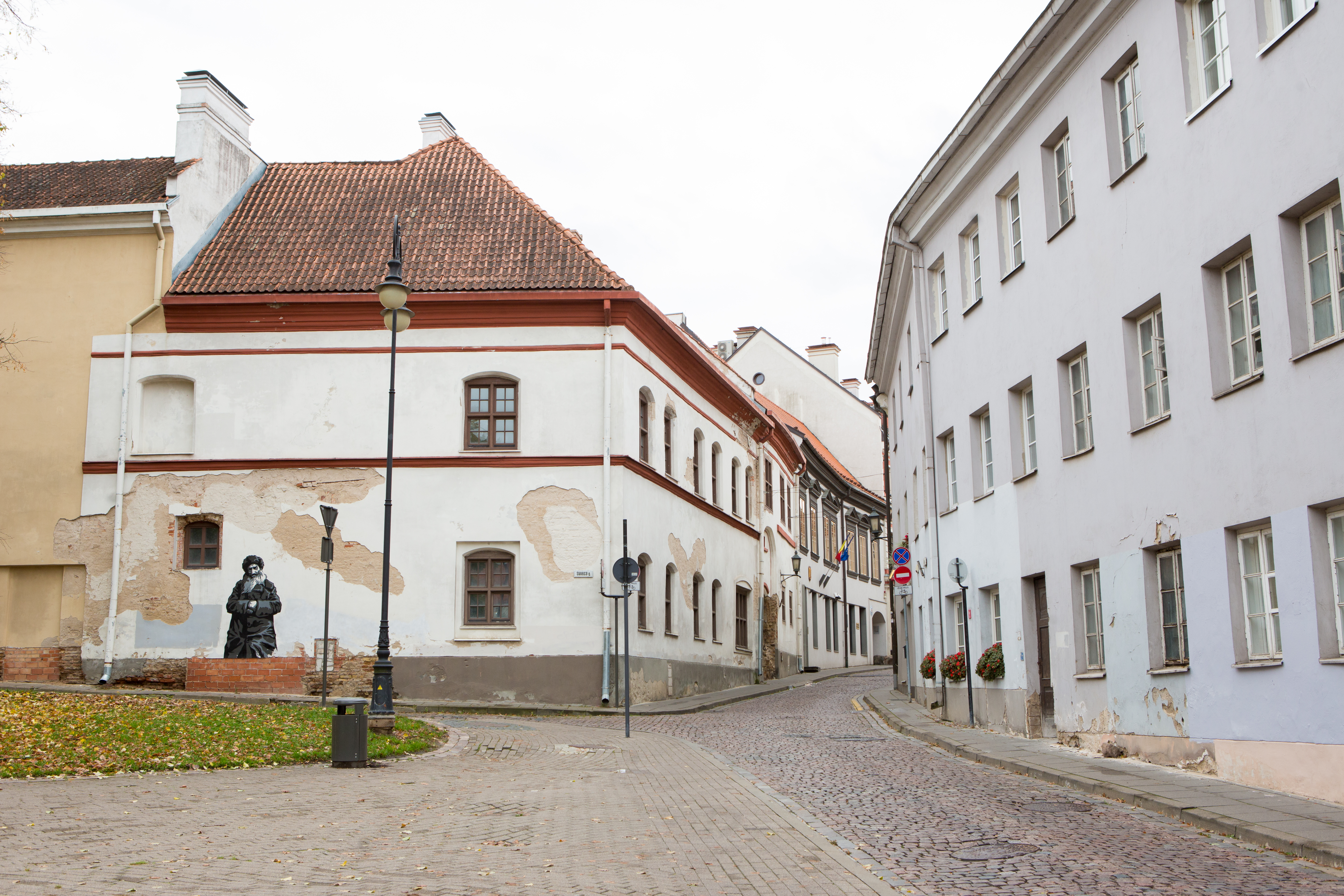
3. The entrance to the Jewish Quarter

The junction overlooks a square. Until 1944, a house belonging to the famous Vilnius classicist…

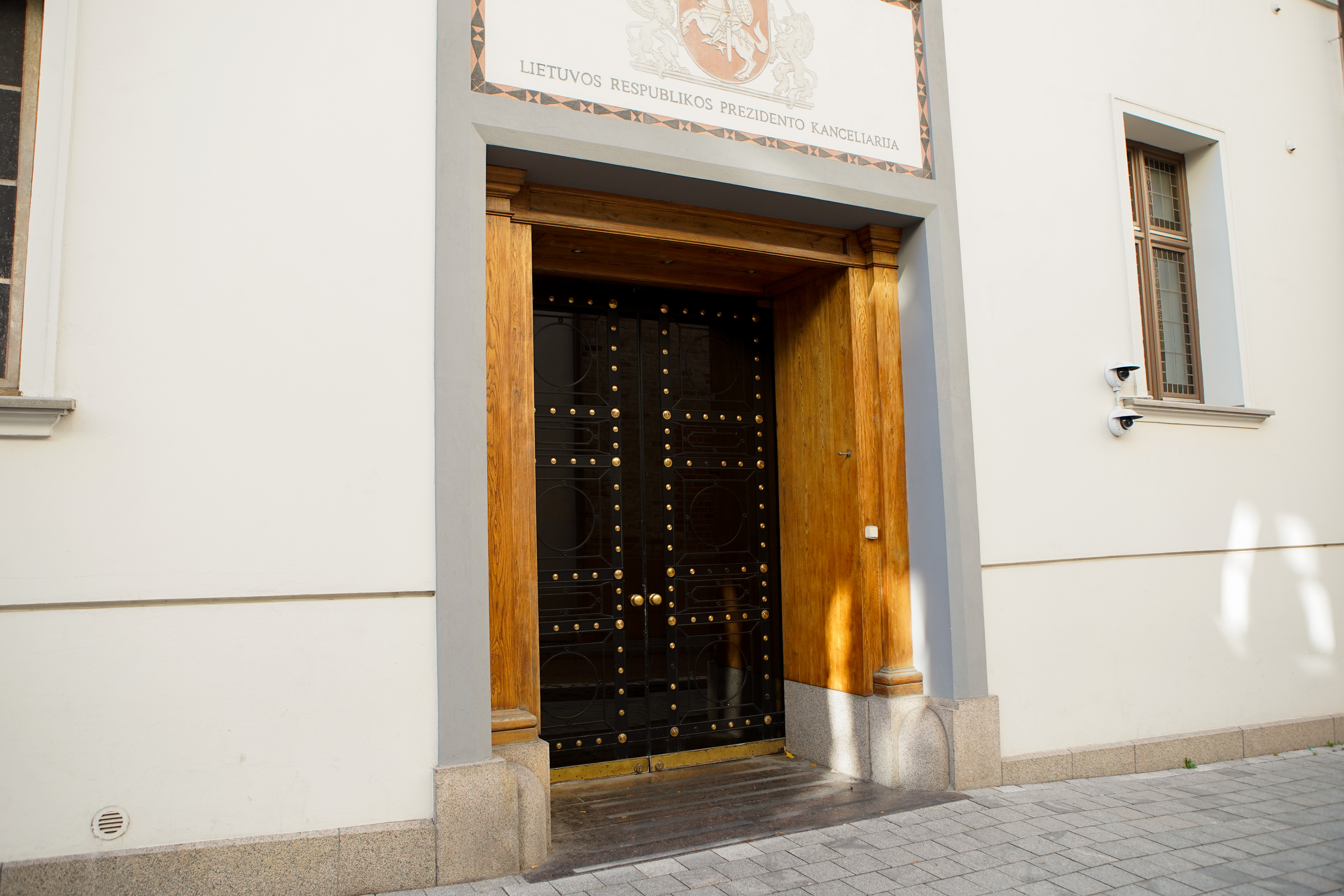
4. The doors to the Office and Chancellery of the President

In 1997, the former Governor General’s Palace was reconstructed and adapted for the Presidential…

5. The doors of the sculptural library

In 2001, the bronze memorial doors of the Vilnius University Library, created by sculptor Jonas…

6. Pilies g. 32

Vilnius was a bustling hotbed of trade in the 19th century. The facades of buildings were changing…

7. St. Anne’s Church door

Legend has it that St. Anne’s Church was built by two stonemasons – an experienced one and…

8. The gates and doorways of Bernardinų Street

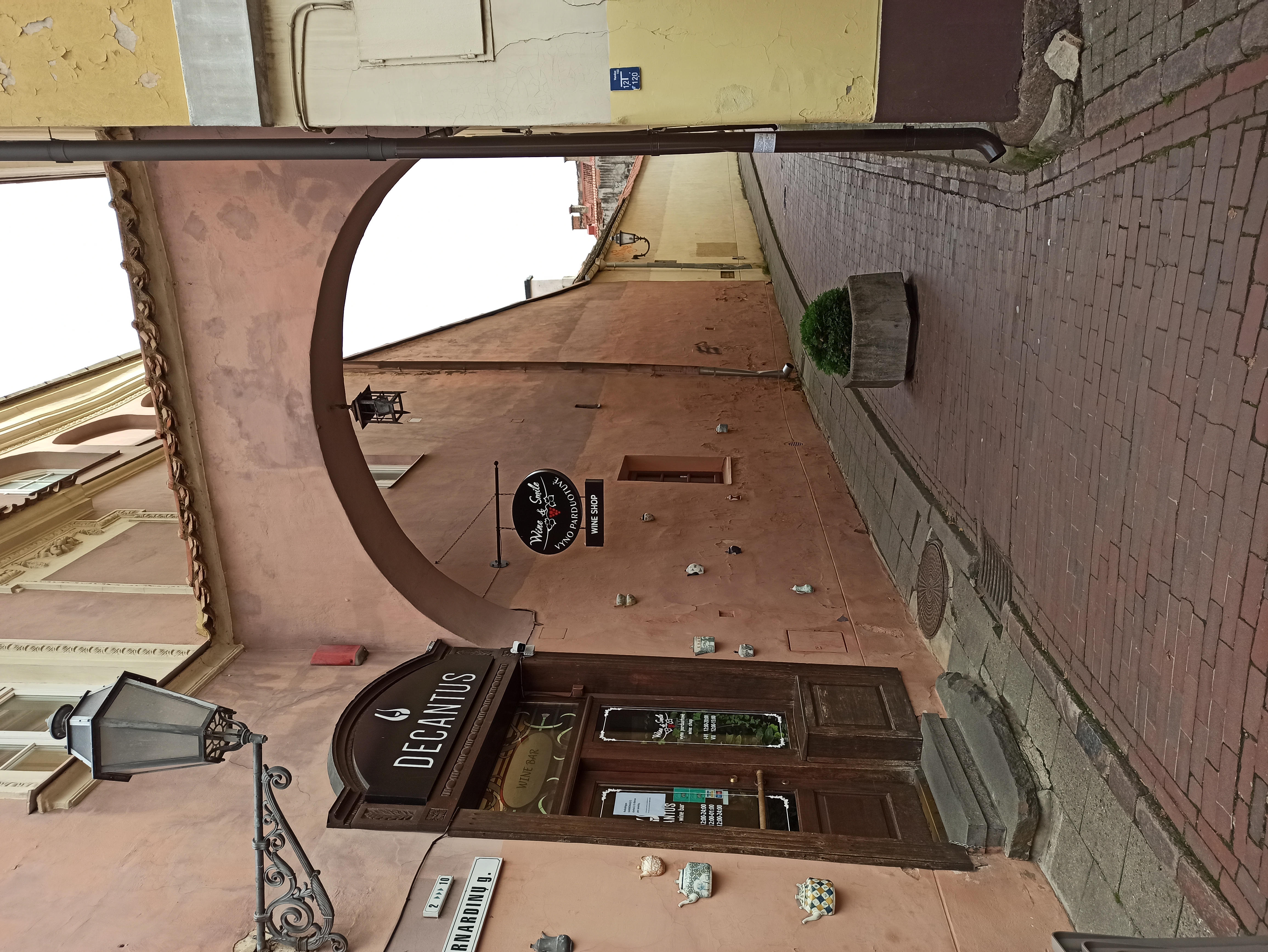
On Bernardinų Street, notice the wooden gates and doors with a traditional diamond and herringbone…

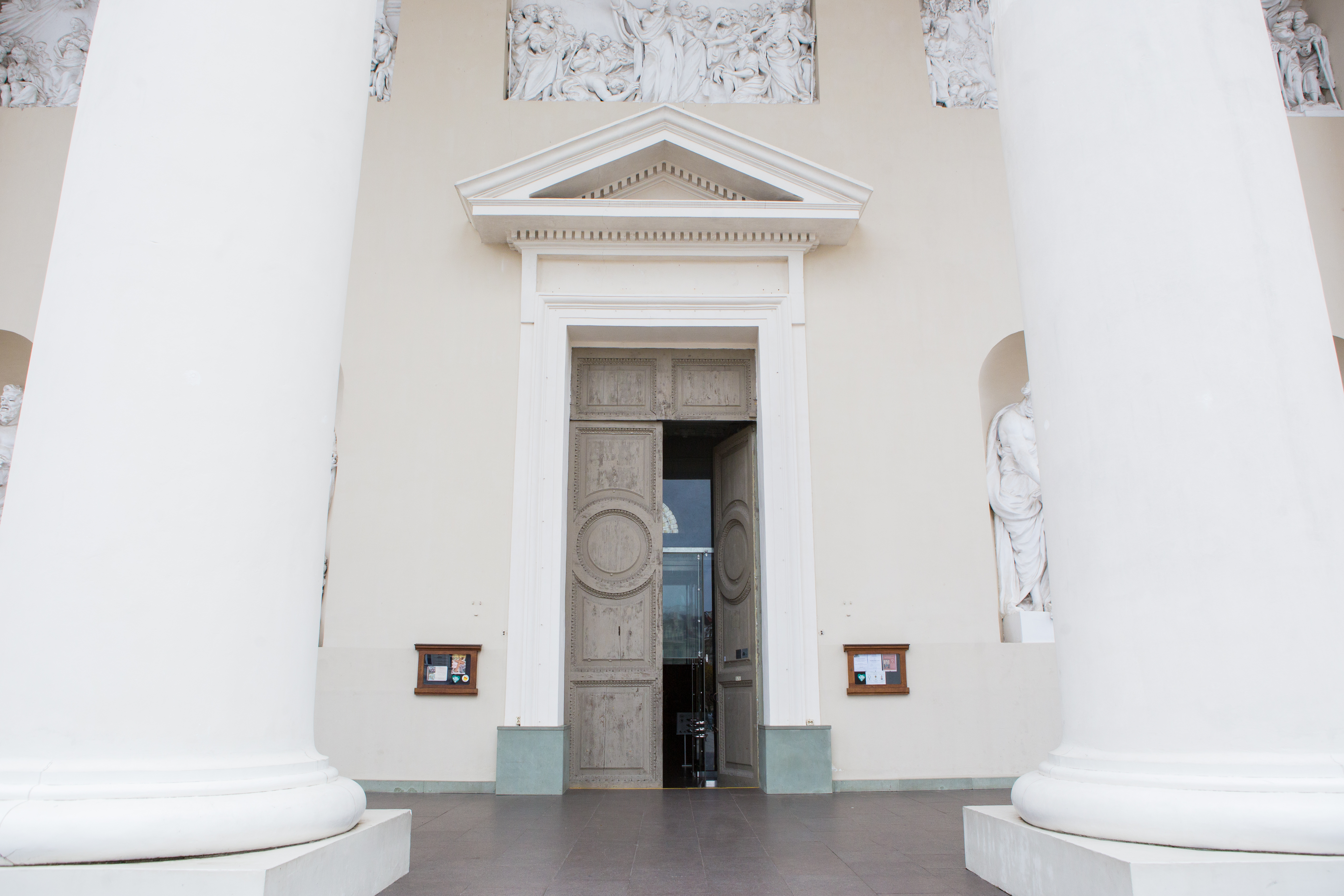
9. The Cathedral doors

10. The Palace of Klementyna Tyszkiewicz

On the corner of the present-day Arsenalo and Žygimantų Streets, one of the most beautiful palaces…

11. Portal with caryatids

Between the 15-18th centuries, the estates from Totorių Street to the Neris belonged to the…

12. The Palace of Maria Skórzewska Ogińska

In 1909, the owner of Plungė Manor, Duchess Maria Skórzewska Ogińska, bought the palace from the…

13. The Church of St. George the Martyr

The adjacent buildings and mature trees provide perfect cover to hide the Church of St. George the…

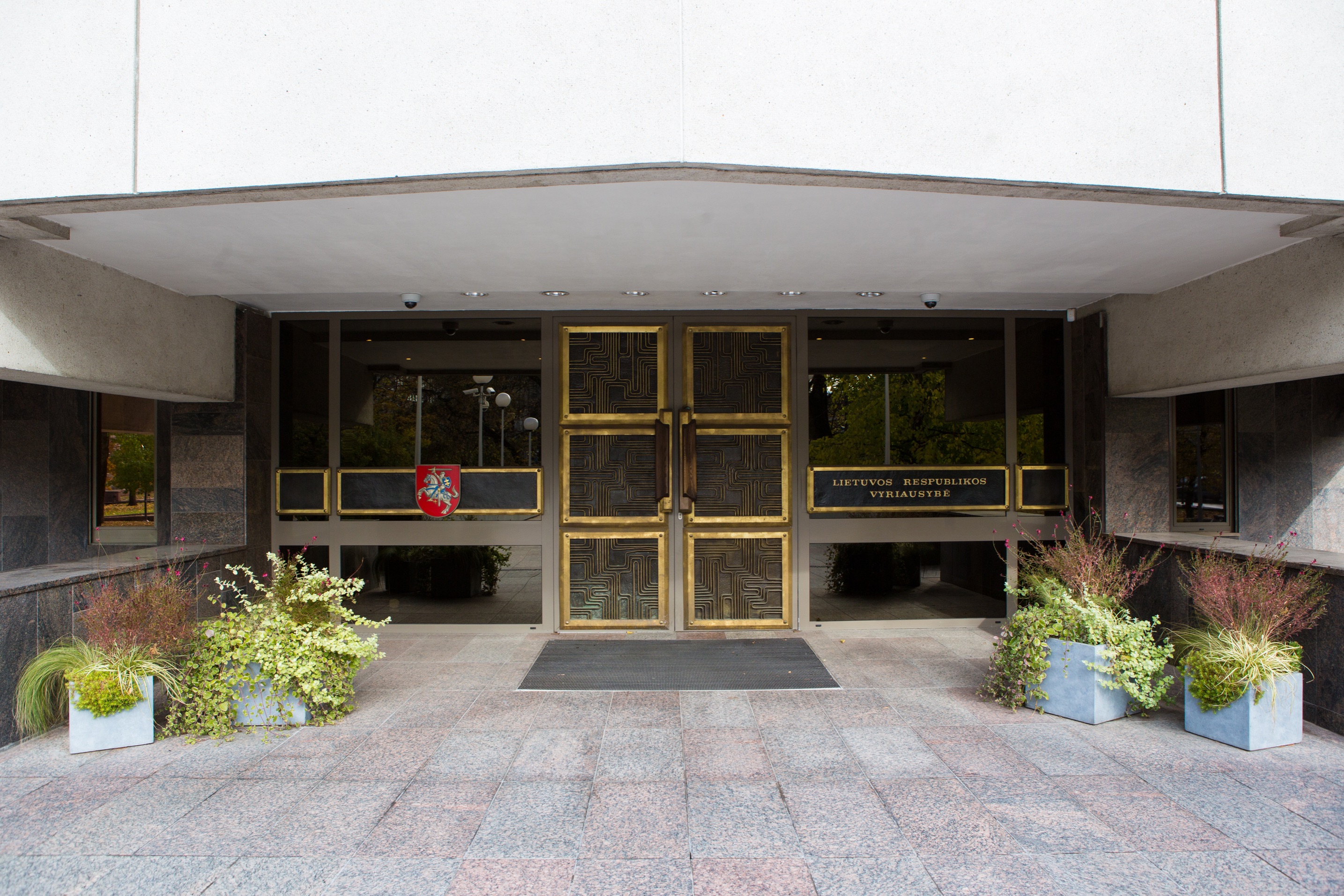
14. The Palace of the Government of Lithuania

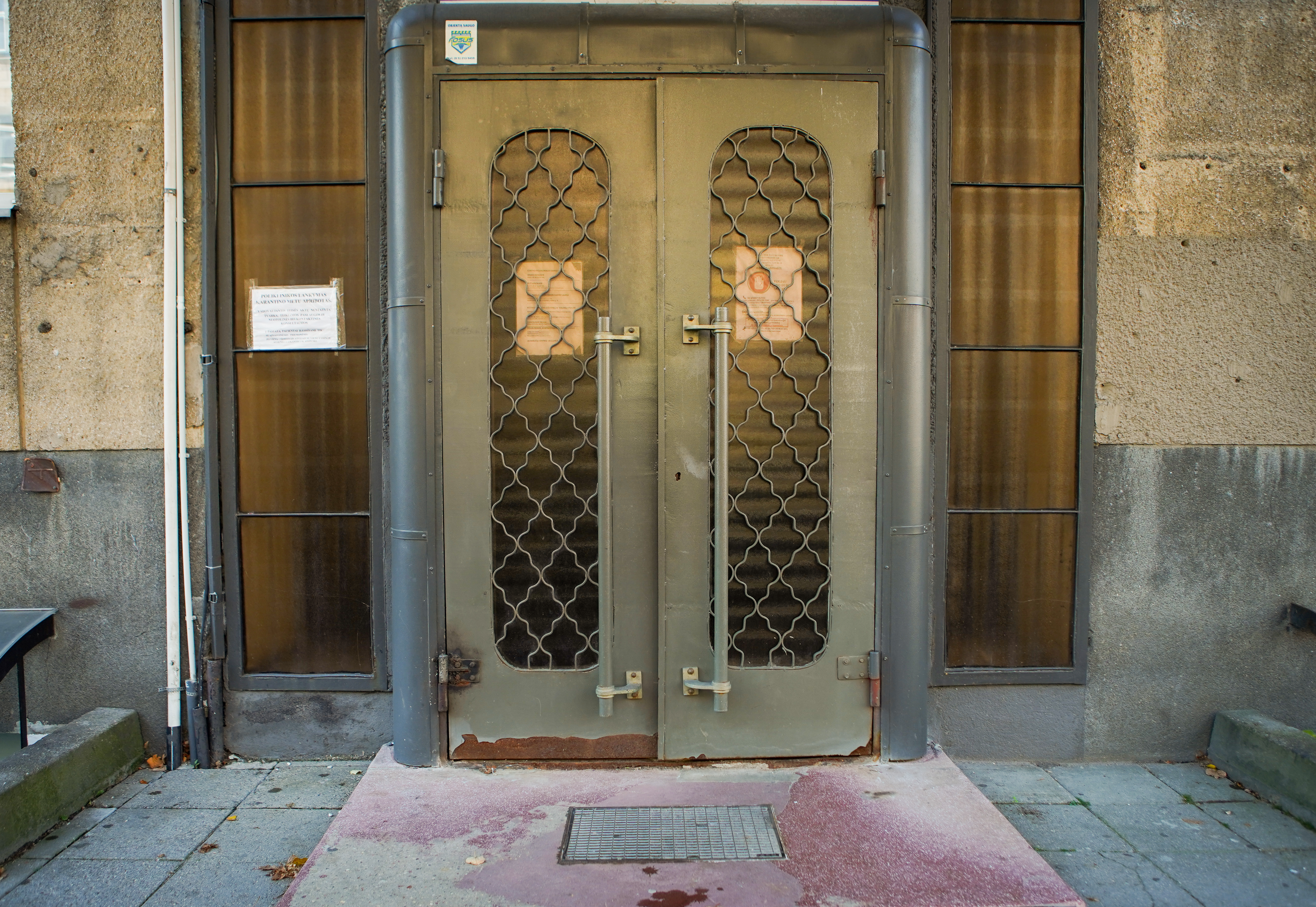
15. The Social Insurance Building

Between the wars, Kaunas was growing and modernising, while Vilnius became a peripheral city on the…