Neakivaizdinis Vilnius Neakivaizdinis Vilnius
Literature History

Follow the path of language

Signs of the Lithuanian language in the history of Vilnius

Įrašo pavadinimas:

Vilnius is a city open to the world and unimaginable without the Lithuanian language, but this has not always been the case. 

In the 13th and 15th centuries, when the Lithuanians created their own state – the only Balts to do so – the Lithuanian language was only an oral language. Correspondence with Western Europe was in Latin and with Eastern Europe in Old Church Slavic. Written Lithuanian emerged around the 16th century, while the standardised form of Lithuanian was established in the late 19th and early 20th centuries. Before it became what it is today, the Lithuanian language had a difficult journey. Vilnius is one of the most important stops on the way along this path. In this city, great efforts have been made to consolidate the Lithuanian language in everyday and official life, to legalise and preserve it. Everything is important – Lithuanian prayers, grammars, dictionaries, newspapers, learning and educational institutions, libraries, and people dedicated to the language. As we walk the Path of Language, let us find the inspiration to know Lithuanians a bit better, as well as their language and the capital city.

What will you learn/see on this route?

– What is the connection between Martynas Mažvydas and Odessa?

– What vows did Simonas Daukantas take and where?

– Which famous politician is Jonas Jablonskis’ grandfather?

– Under what circumstances did President Antanas Smetona meet his future wife?

Start location

Jonas Jablonskis Square

Konstitucijos pr.

Duration
2 h Without going inside
Distance
9,00 km
Means of travel
Pėsčiomis
Terrain
Vidutinis
Pet friendly
Additional information
  • Accessibility: manageable for people with reduced mobility and parents with children in pushchairs, but can be difficult due to the cobblestones of the Old Town and the narrow pavements, especially going uphill on Jono Basanavičiaus Street.
  • Pets allowed: pets are allowed, except for indoor sites. 


The route was prepared by Aurika Usonienė and Sigita Bertulienė, Administrators of the Prevention and Legal Proceedings Unit of the Public Order Department of the Vilnius City Municipality Administration.

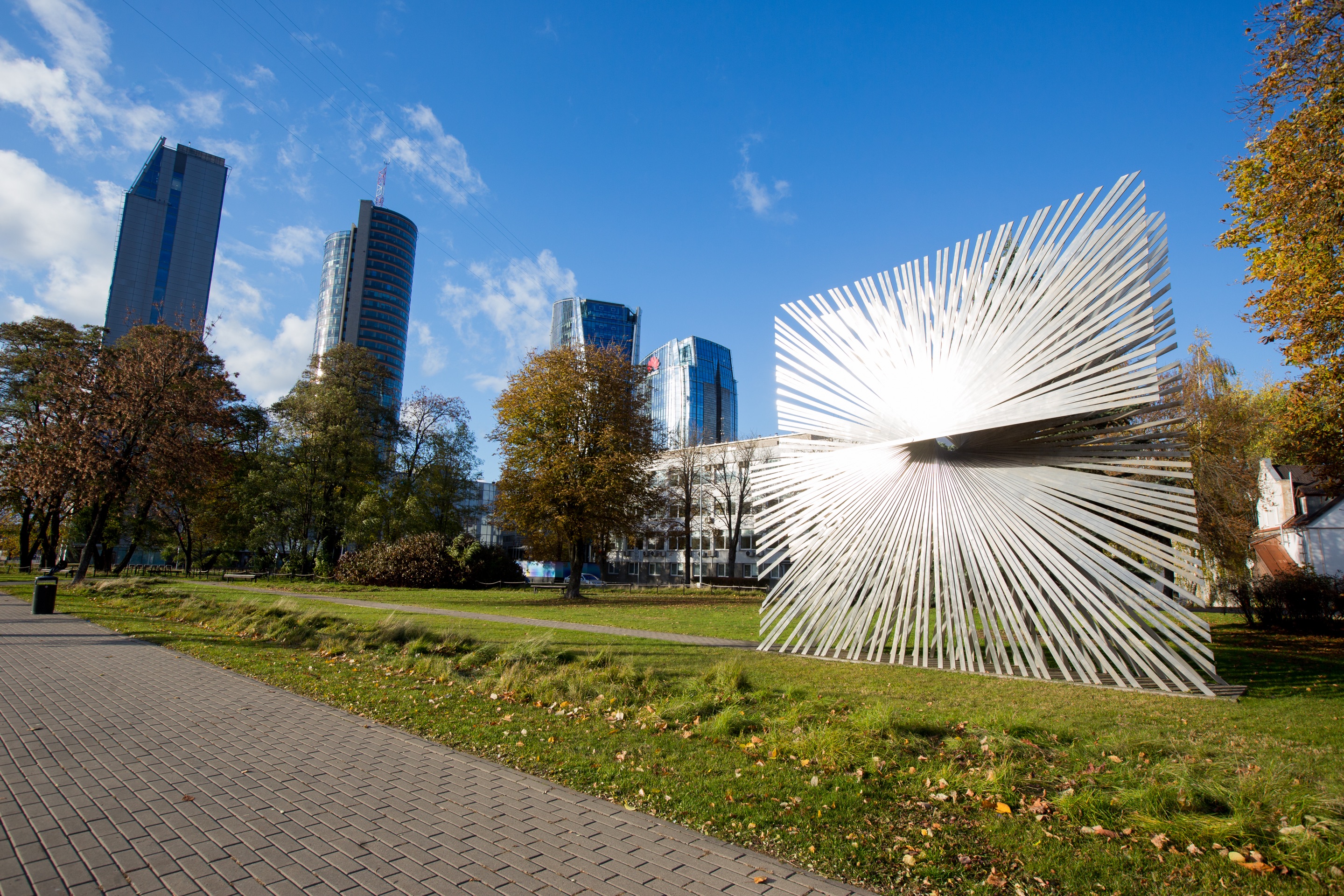
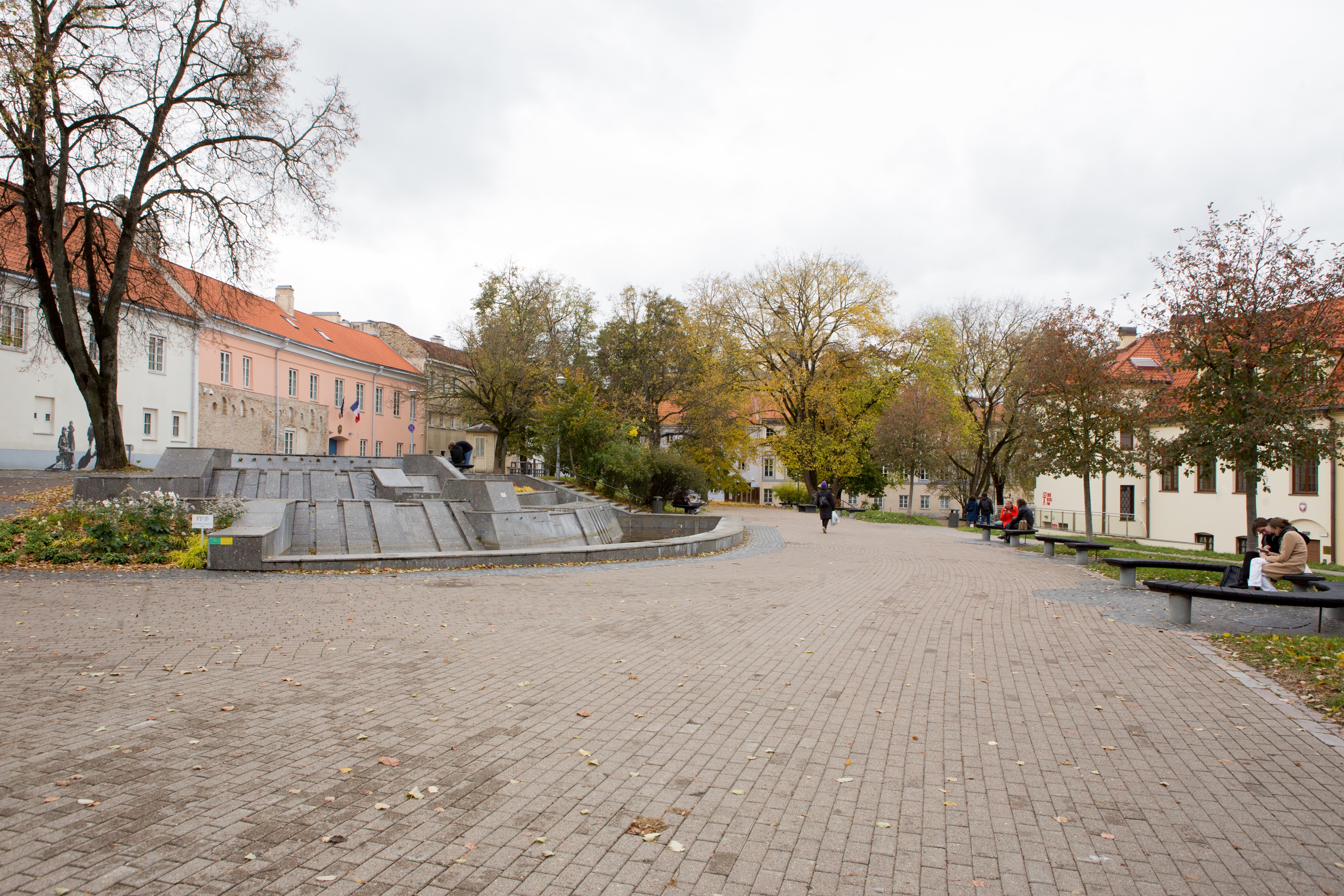
1. Jonas Jablonskis Square

Jonas Jablonskis Square, which is decorated with the sculpture ‘Šviesa’ (‘Light’) by the sculptor…

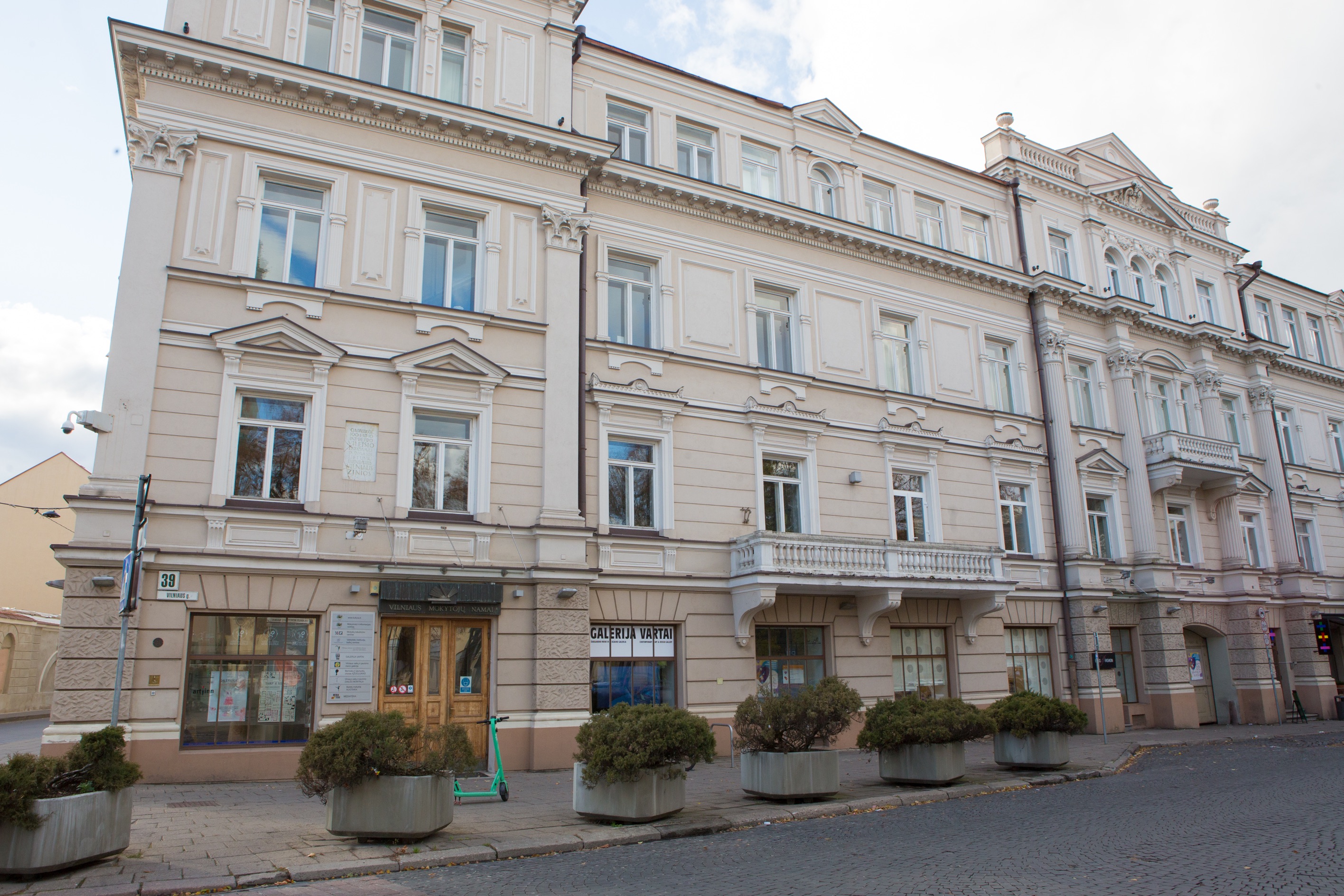
2. The House of Scientists (v700)

The linguist Juozas Balčikonis made a significant contribution to the history of the Lithuanian…

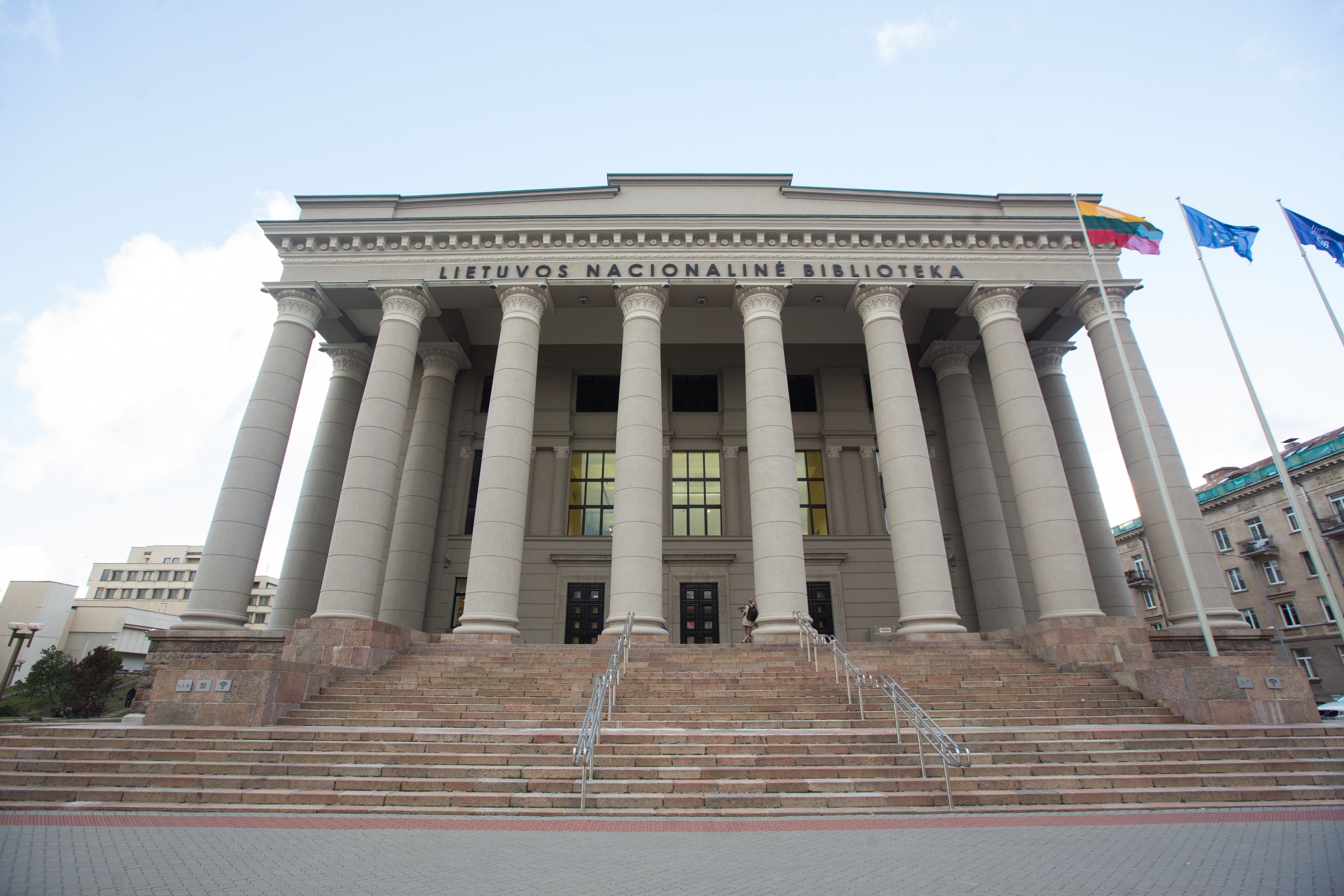
3. Martynas Mažvydas Library

The idea of a national library in Lithuania began to take shape at the beginning of the 19th…

4. The printing house of the daily newspaper ‘Vilniaus žinios’

Immediately after the 40-year ban on printing in Latin characters was lifted, the first Lithuanian…

5. The first Lithuanian Gymnasium in Vilnius

In 1915, when Vilnius was under the administration of the Kaiser’s German army, the first gymnasium…

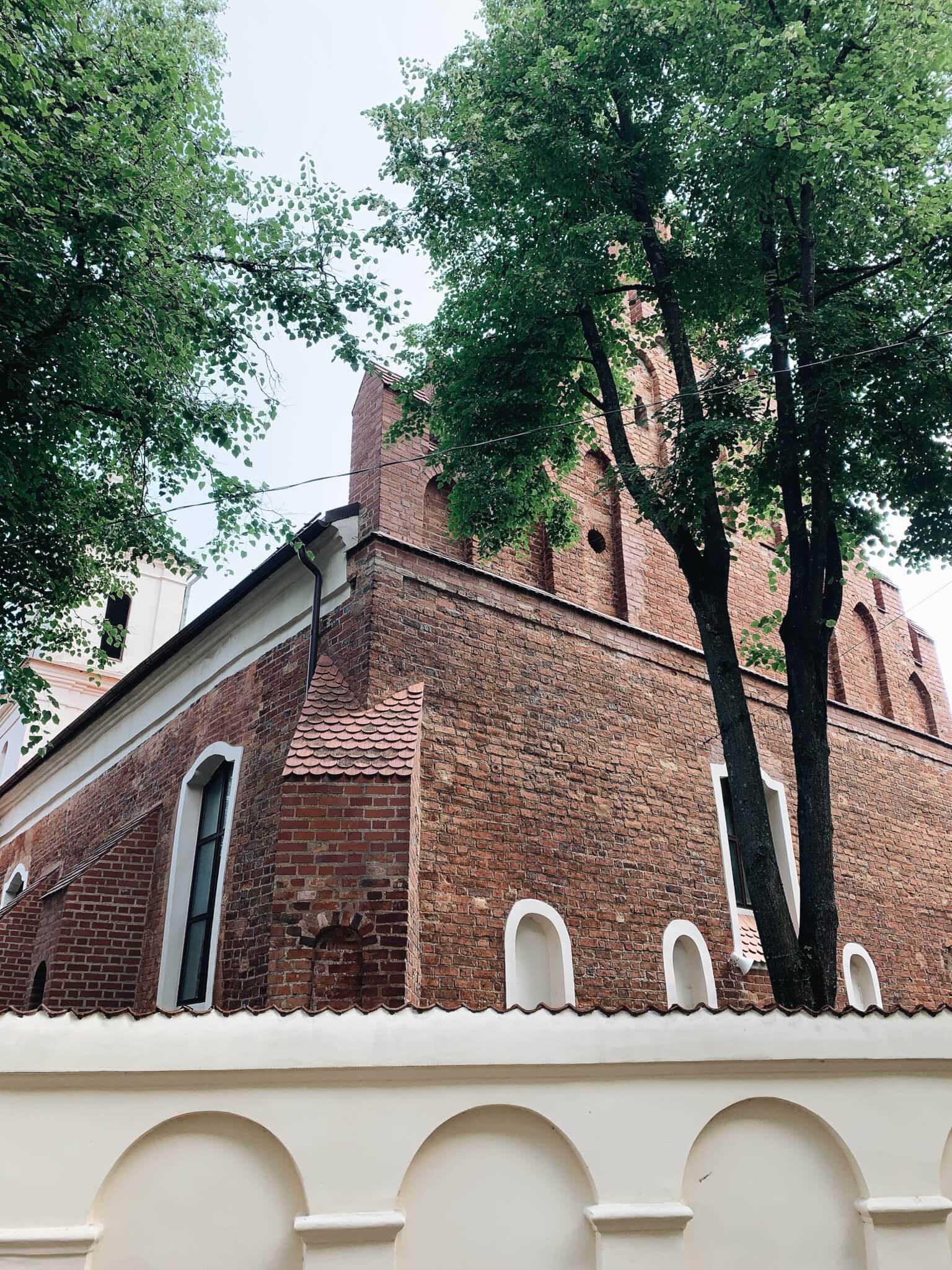
6. The Church of St. Nicholas (Kalbos keliu)

The oldest church in Vilnius and Lithuania – the Church of St. Nicholas – was the only church in…

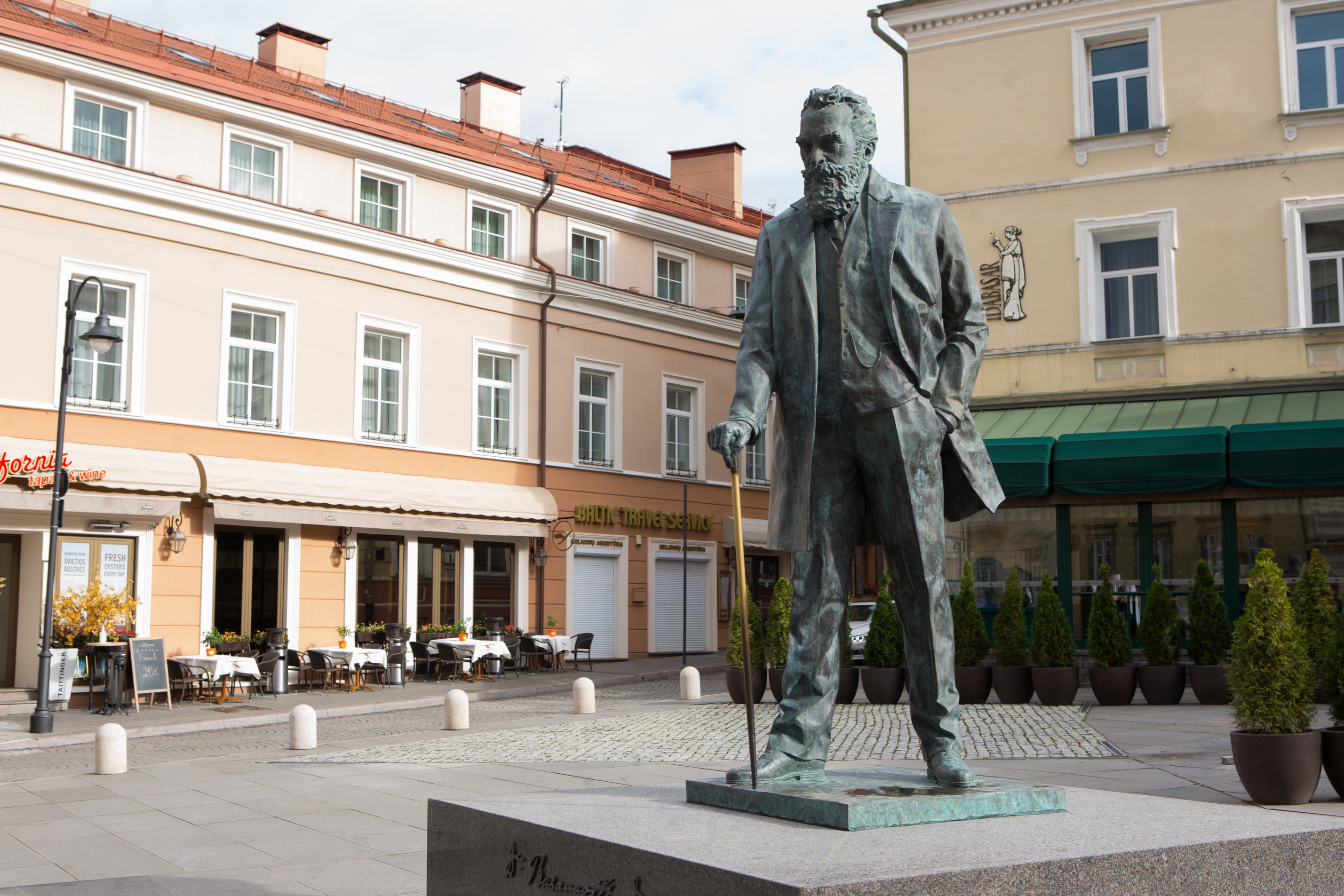
7. The Lithuanian National Philharmonic, a monument to Jonas Basanavičius

This building was the Town Hall in the early 20th century. On 4-5 December 1905, the Great Vilnius…

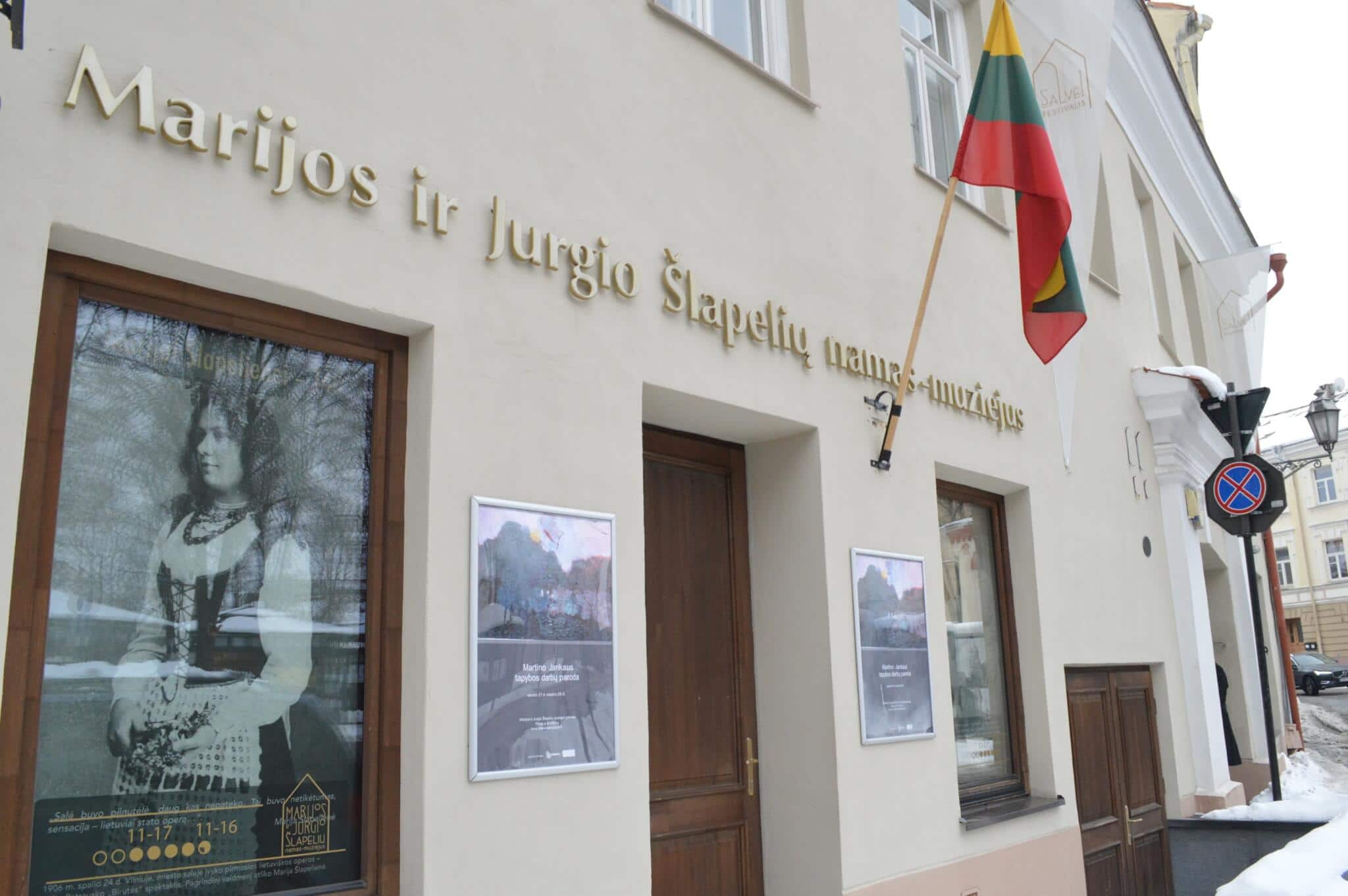
8. The Marija and Jurgis Šlapeliai House-Museum

Jurgis Šlapelis, a cultural and public figure, although a doctor by education, worked as a…

9. Konstantinas Sirvydas Square

Konstantinas Sirvydas, a gifted young man from the Anykščiai region, was brought to Vilnius to…

10. Vilnius University

Martynas Mažvydas’s ‘Catechism’. Every year on 1 April, on the occasion of Vilnius University’s…

11. Simonas Daukantas Square

Simonas Daukantas came to Vilnius on foot with 10 roubles in his pocket, having walked the 300 km…

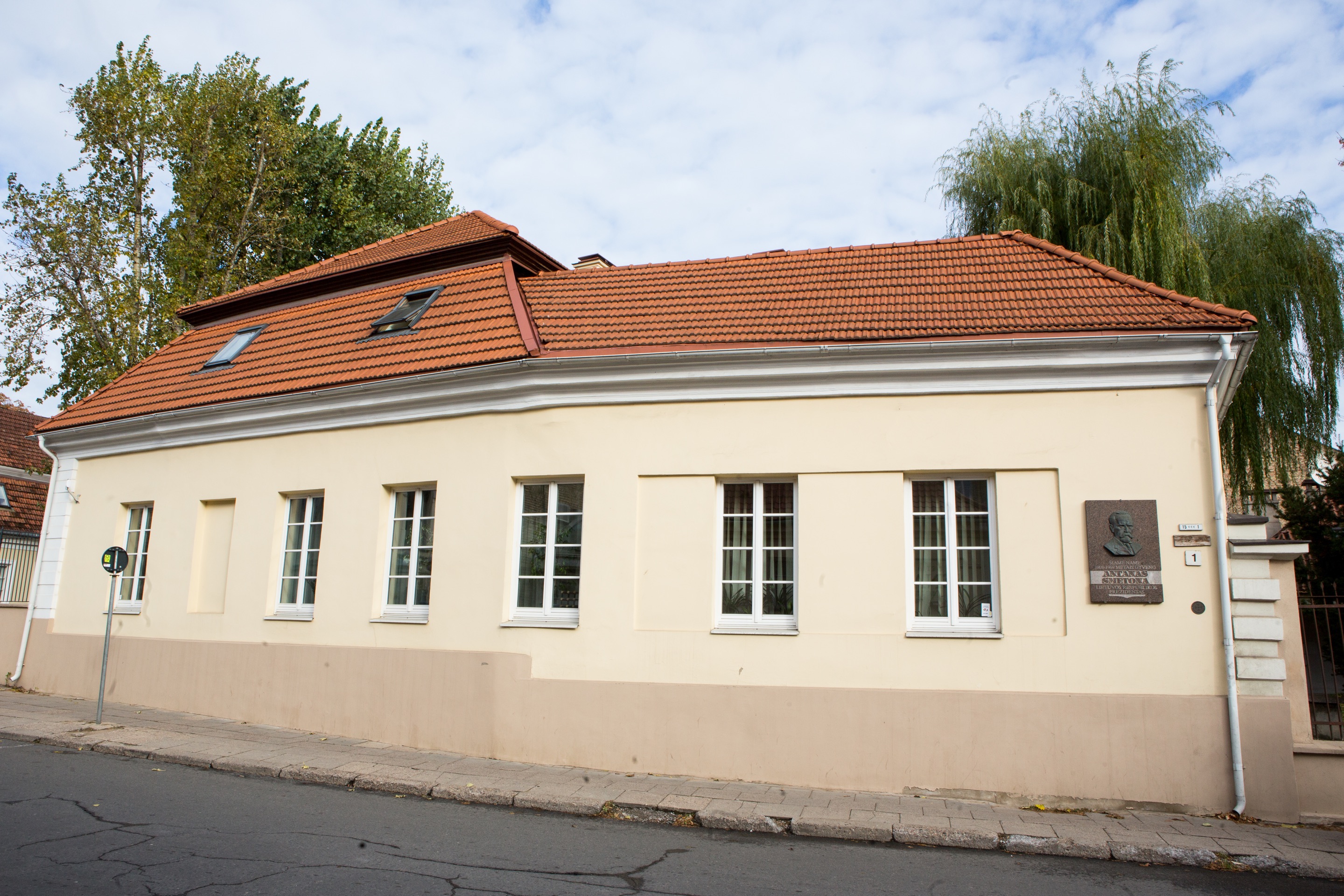
12. The House of President Antanas Smetona

It was the Lithuanian language that brought the first President of Lithuania, Antanas Smetona, and…

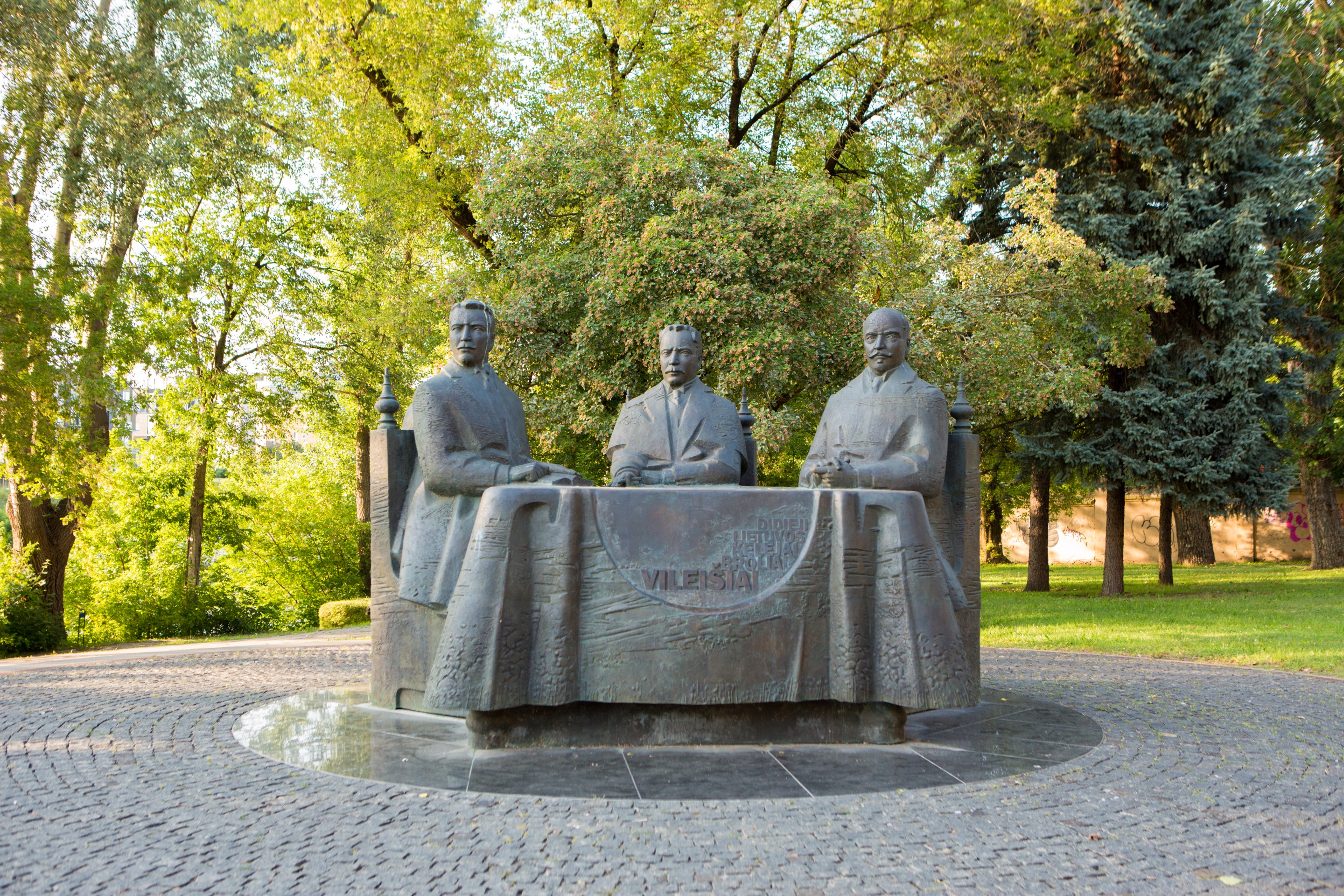
13. Monument to the Vileišiai brothers (Kalbos keliu)

This sculpture by the sculptor Regimantas Midvikis and the architects Linas Krūgelis and Ričardas…

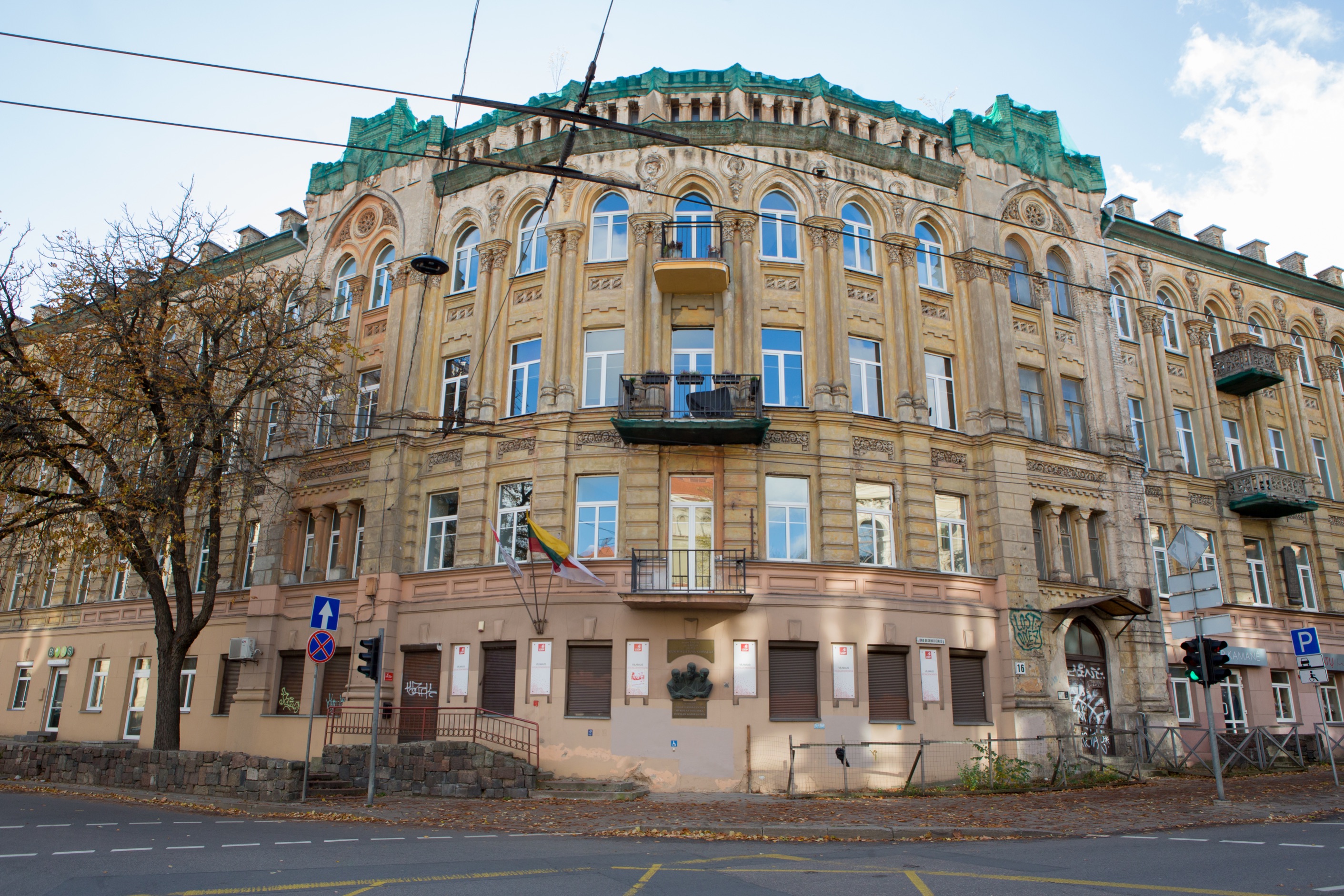
14. The Institute of Lithuanian Literature and Folklore

Constructed in 1904-1906 by the engineer Petras Vileišis according to the design of August Klein,…